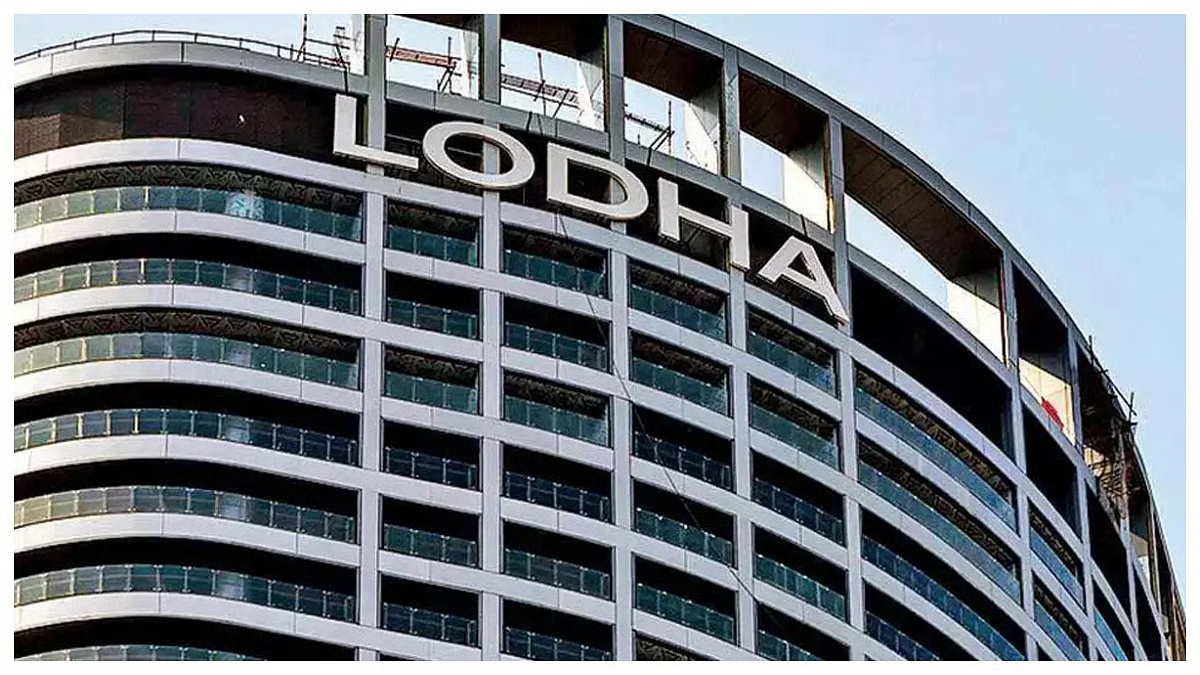
A large-scale residential allotment in the northern Mumbai Metropolitan Region has underscored the depth of demand for mid-priced housing as buyers continue to look beyond the city’s traditional residential cores. A Lodha-led housing project in Naigaon has completed the allotment of 1,419 apartments, translating into transaction values of around ₹640 crore, according to people familiar with the development.
The response, which saw applications far outnumber available homes, highlights how peripheral locations are increasingly shaping Mumbai’s housing market. With affordability constraints tightening within the island city and central suburbs, households are gravitating towards emerging urban belts where pricing, project scale, and planned infrastructure offer a more predictable pathway to homeownership. The Naigaon development, delivered through a partnership structure with a local construction firm, consists primarily of one- and two-bedroom homes positioned for salaried households and first-time buyers. Market observers say this segment has remained resilient even as borrowing costs and construction inputs have risen, largely because supply at this price point has become limited closer to major employment centres.
Urban planners note that the Vasai–Virar and Naigaon belt is increasingly functioning as a pressure valve for the wider Mumbai region. Over the past decade, population growth in these suburbs has accelerated as formal housing supply within the city struggled to keep pace with demand. The latest sales data suggests that buyers are willing to trade longer travel distances for certainty of possession, transparent approvals, and organised township-style development. Connectivity remains a decisive factor. The area benefits from suburban rail access and is expected to gain from ongoing capacity upgrades across the western rail corridor and regional road projects. While daily commutes remain a challenge for many residents, transport planners argue that dispersing housing growth along transit corridors is preferable to unchecked densification in already stressed urban precincts.
From an economic standpoint, the scale of the transaction provides a signal of confidence for the residential market in the Mumbai region. Industry experts say such absorption levels indicate that end-user demand, rather than speculative buying, is driving sales. This distinction is significant at a time when policymakers are seeking to stabilise housing markets and align new supply with genuine household needs. Sustainability specialists caution, however, that rapid residential uptake must be matched by investments in water security, waste management, healthcare, and education. Peripheral growth that is not supported by robust civic infrastructure risks reproducing the same environmental and social pressures seen in older suburbs. Compact home sizes and higher densities can support lower per-capita resource use, but only if integrated with efficient public services and mobility options.
With a second phase of the project expected to be launched in the coming months, the development will serve as a test case for how large-format housing projects can contribute to more balanced urban expansion. For the Mumbai Metropolitan Region, the transaction reinforces a broader shift: the future of housing delivery is increasingly being written at the edges of the city, where affordability, infrastructure planning, and climate resilience must converge.
Lodha Records 640 Crore Mumbai Region Housing Sale