


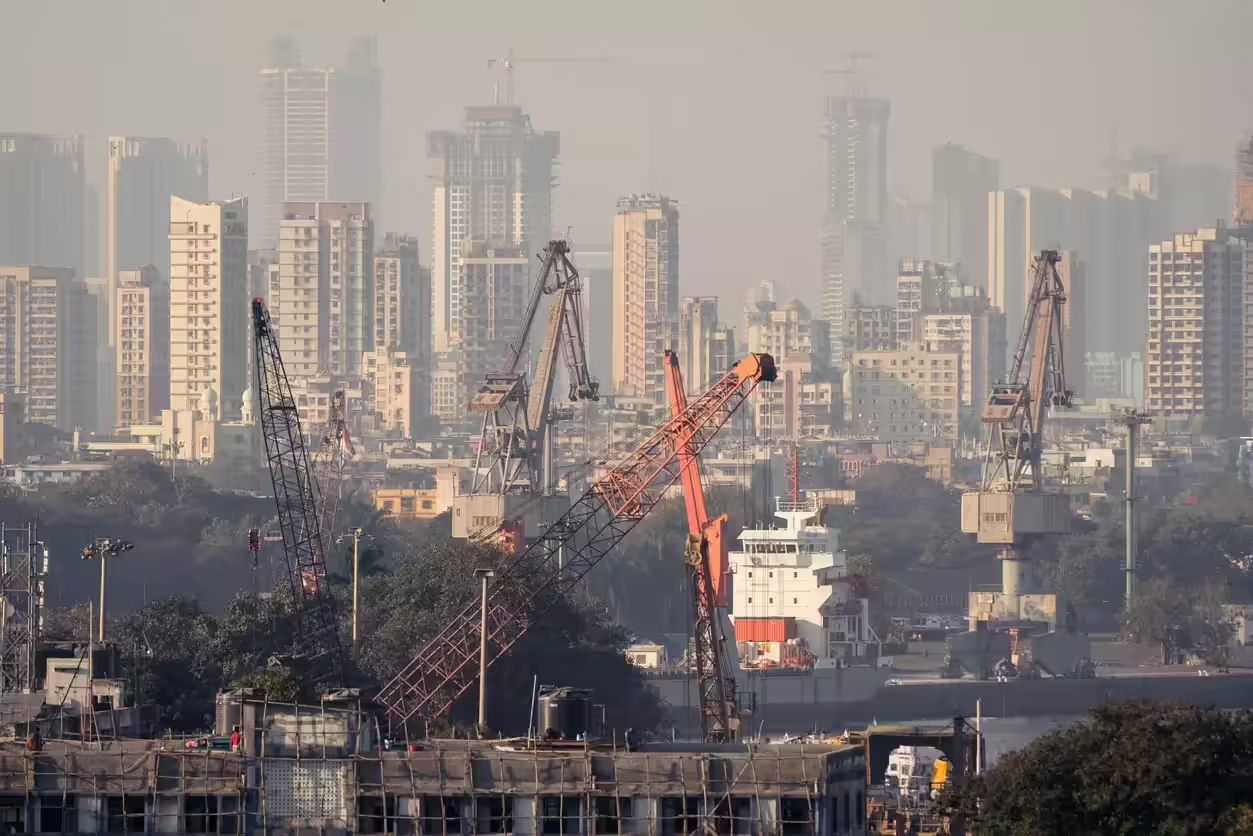
Mumbai’s efforts to rein in construction-led air pollution were put to the test this week as civic authorities intensified scrutiny at several large infrastructure sites following public complaints and worsening air quality. While contractors at key projects in Bandra East and the Bandra Kurla Complex have begun implementing dust-control measures after stop-work notices, residents and experts say compliance remains uneven and reactive.
The Brihanmumbai Municipal Corporation recently directed work to halt at multiple sites, including an upcoming judicial complex and two major transport projects, citing violations of its mandatory air pollution mitigation framework. The guidelines require dust barriers, covered transport of debris, on-site water sprinkling and protection of public utilities measures meant to safeguard surrounding neighbourhoods from particulate pollution. A site visit by Urban Acres found that temporary metal barricades and fabric screens had been installed around several construction zones, signalling partial compliance. At one transport corridor project, workers claimed water tankers were deployed daily to suppress dust on access roads and within the site. At another nearby metro construction zone, debris trucks were seen covered and roads swept manually. However, residents living adjacent to the judicial complex site said the measures came late and fall short of addressing ongoing health and civic issues. “There has been some reduction in visible dust, but respiratory discomfort continues,” said a local resident, adding that frequent medical visits had become routine since construction began. Others flagged clogged drains and damaged underground utilities, alleging that construction debris had disrupted sanitation lines and led to water stagnation, worsening mosquito breeding. Urban health experts note that particulate matter from construction activity is a significant contributor to localised pollution spikes, particularly during dry winter months. “Fine dust travels beyond site boundaries and settles in homes, affecting children and older residents disproportionately,” said an environmental planner. “Mitigation cannot be cosmetic; it must be continuous and monitored.”
The timing of the enforcement drive coincides with deteriorating air quality across Mumbai. Data from national monitoring agencies showed the city’s Air Quality Index hovering in the ‘moderate’ range, with several high-density neighbourhoods edging closer to the ‘poor’ category. PM2.5 and ozone emerged as dominant pollutants, particularly in business districts and transit hubs. Civic officials acknowledged that enforcement capacity has been stretched due to administrative commitments related to elections. “Notices have been issued and compliance reports are expected from contractors,” said a municipal official, adding that inspections would continue despite staffing constraints. The episode highlights a broader urban challenge: balancing rapid infrastructure delivery with public health and environmental responsibility. As Mumbai builds vertically and expands its transport network, experts argue that stronger real-time monitoring, transparent penalties and community engagement are essential to meet the city’s long-term goals of cleaner air and inclusive development.
For residents, sustained enforcement not short-term fixes will determine whether Mumbai’s growth can align with its vision of a healthier, more resilient urban future.
Also Read: Mumbai Studios Transition Into Luxury Living
Mumbai Pollution Curbs Strain Infrastructure Works
