Chennai Introduces AI-Powered Mobility With Driverless Trains Smart Signals Digital Transit
Chennai is stepping into 2026 with a transformative AI-driven transport network, integrating driverless metro trains, intelligent traffic signals, and digital transit platforms. Chennai Metro Rail Limited plans to deploy 32 driverless train sets across Phase-II corridors, while adaptive traffic signals manage vehicle flow in real time. GPS-based bus tracking and the Chennai One app provide commuters with accurate arrival times and integrated fare information, signalling a major leap in automated, efficient, and data-driven urban mobility across the city.
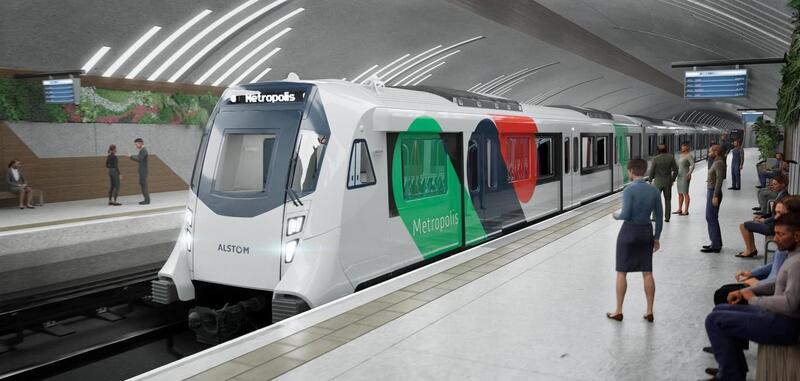
Driverless metro trains are at the forefront of Chennai’s AI mobility expansion. CMRL has awarded a ₹1,538-crore contract to Alstom for 32 automated train sets, comprising 96 coaches across 118.9km in three Phase-II corridors. Equipped with unattended train operation (GOA-4) technology, the trains autonomously manage movement, speed, stops, and door operations, with human supervision maintained at the operations control centre to handle emergencies or service disruptions.Alstom India employs AI extensively in train design, signalling solutions, and predictive maintenance. Continuous data feedback allows systems to optimise train schedules and maintenance, reducing downtime while enhancing reliability. Puneet Srivastava, Alstom India’s managing director for signalling and infrastructure, notes that AI models are rigorously tested and retrained to adapt to unforeseen scenarios, while allowing human intervention whenever necessary.
AI is also reshaping Chennai’s road transport. The Greater Chennai Traffic Police has implemented adaptive traffic signals at key junctions that adjust in real time based on vehicle density, reducing congestion during peak hours. The MTC’s GPS-based bus fleet management system, integrated with the Chennai One app, tracks buses, reduces bunching, and provides commuters with real-time arrival information, making travel more predictable and efficient.The Chennai Unified Metropolitan Transport Authority (Cumta) is unifying multiple modes of transport digitally. Fare collection, season tickets, and route information are now integrated within the Chennai One platform, cutting manual processes and providing actionable data for infrastructure planning. Predictive analysis of commuter movement has guided projects such as the Kilambakkam skywalk and revamps of Tambaram and Guindy stations, improving intermodal connectivity and walkways.
2025 also revealed the limits of automation. During heavy monsoon flooding, human intervention was essential for traffic rerouting, bus adjustments, and extended metro operations. As traffic joint commissioner P. Vijayakumar explains, “AI supports but does not replace manpower; it makes their jobs more efficient.” Future plans include intelligent traffic corridors, like Alandur–Airport, and signals that detect emergency vehicles, demonstrating Chennai’s approach to blending AI, predictive analytics, and human oversight for a safer, more efficient urban transit system.