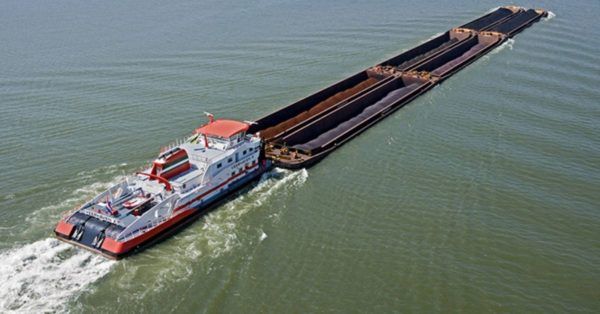
The central government has cleared seven of Maharashtra’s 14 national waterways for development, a strategic step towards strengthening inland water transport (IWT) in the state. Spanning a combined navigable length of 662.97 km, these waterways are expected to support both cargo and passenger movement, reducing dependence on road and rail networks while fostering sustainable logistics solutions. The initiative aligns with India’s broader push for multimodal transport and low-carbon urban mobility.
The seven waterways earmarked for development include National Waterway (NW)-4 on the Godavari, NW-11 along the Arunavati–Aran rivers, NW-28 covering Dabhol Creek and the Vashishti River, NW-53 spanning the Kalyan–Thane–Mumbai corridor with Vasai Creek and the Ulhas River, NW-85 on Revadanda Creek and Kundalika River, NW-100 on the Tapi, and NW-109 covering the Wainganga–Pranahita system. Officials note that these corridors have significant potential for commercial navigation, linking industrial hubs and ports with hinterland markets. Maharashtra plays a pivotal role in the country’s inland water transport network. During 2024–25, waterways such as NW-10 (Amba River), NW-53, NW-83 (Rajpuri Creek), NW-85, NW-89 (Savitri–Bankot Creek), and NW-91 (Shastri–Jaigad Creek) collectively handled over 45 per cent of India’s total IWT cargo. “Development of these seven waterways will further integrate Maharashtra’s industrial and logistics ecosystems, providing cost-effective, sustainable alternatives to road transport,” an official from the Inland Waterways Authority of India (IWAI) said.
To facilitate growth, IWAI is actively coordinating with cargo operators and state authorities to enhance infrastructure, navigability, and safety along these waterways. Industry experts suggest that such measures could reduce transportation costs, cut greenhouse gas emissions, and encourage equitable economic development along river corridors. “Waterways offer untapped potential for regional trade and tourism while promoting environmentally friendly transport,” noted a logistics analyst. The development also underscores the importance of Centre–State collaboration. While IWAI regulates and develops waterways nationally, economic activity and industrial projects along riverbanks fall under state jurisdiction. Officials emphasise that coordinated planning is critical to unlocking the full benefits of IWT, ensuring that environmental sustainability, navigational safety, and community interests are balanced.
As Maharashtra progresses with these projects, inland waterways are expected to become a key component of its urban logistics and transport framework. By promoting cargo movement through rivers, the state aims to relieve pressure on congested highways, encourage low-carbon freight solutions, and support inclusive, long-term economic growth.
Maharashtra Clears Seven Of Fourteen National Waterways For Immediate Development Plans