


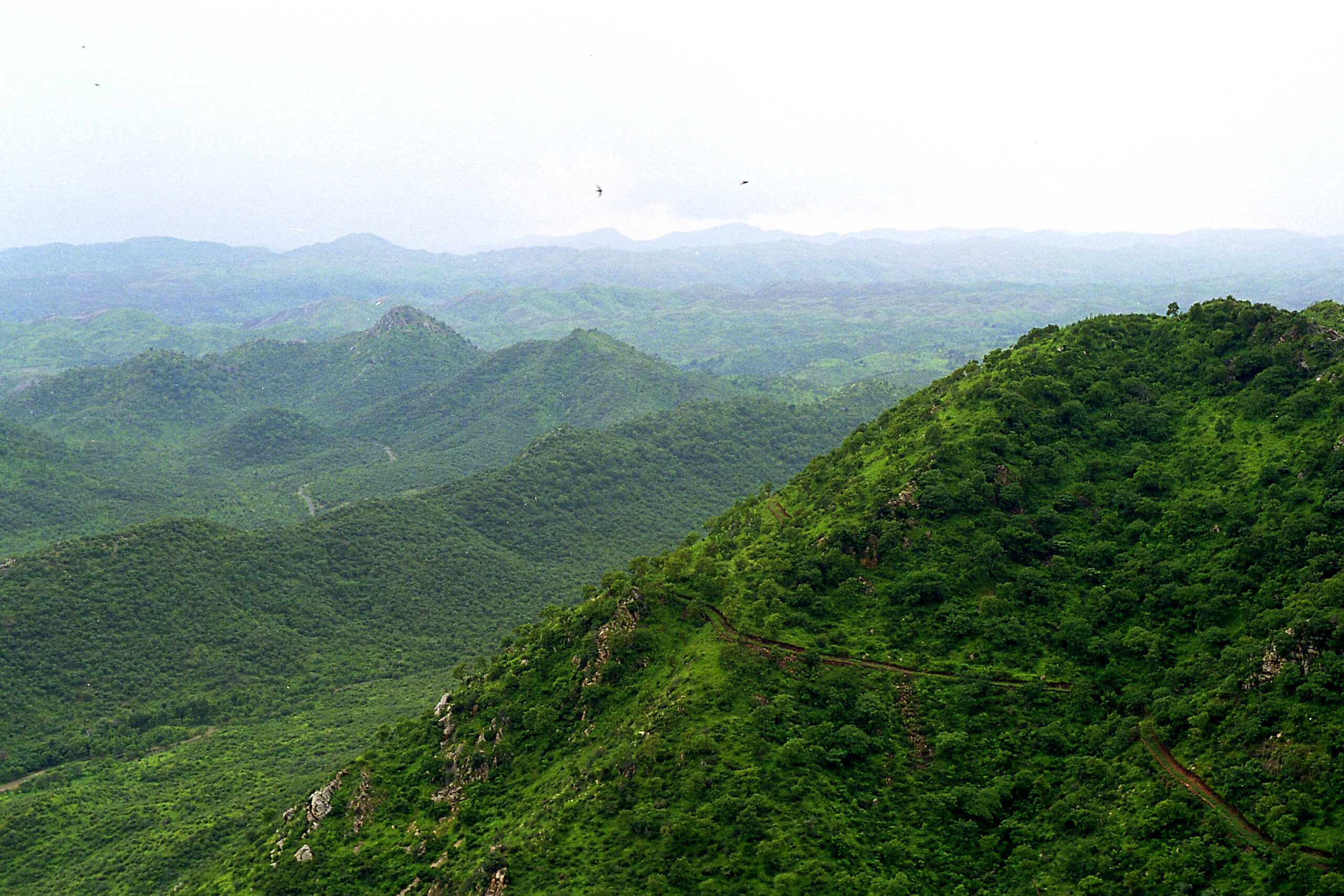
The Aravalli ecosystem is under renewed scrutiny as concerns rise over the potential impact of expanded real estate development in the region. Congress leaders, including former environment minister Jairam Ramesh, have flagged the move by the central and state governments to open portions of the Aravallis for construction and mining as contrary to established environmental recommendations. Experts warn that these actions could exacerbate the degradation of one of India’s oldest and most fragile mountain ecosystems.
The controversy centres on a redefinition of Aravalli land, which critics argue leaves more than 90% of the hills outside protected limits. “Real estate expansion, along with ongoing mining, threatens the ecological balance and biodiversity of the Aravallis,” a senior environmental policy expert noted. Congress officials have argued that this policy reversal disregards the recommendations of the Forest Survey of India, which had highlighted the ecological sensitivity of the area. Social media and public discourse have amplified the debate, as citizens and environmental activists underscore the risk of deforestation, soil erosion, and water scarcity. In recent years, the Aravalli hills, spanning Delhi, Haryana, Rajasthan, and Gujarat, have already experienced significant ecological stress from illegal encroachments, quarrying, and urbanisation. According to an industry analyst, “Development in these zones not only compromises the environment but also reduces natural buffers against urban flooding and heatwaves.”
The Supreme Court has intervened to address the dispute. In November 2025, it accepted a uniform definition of Aravalli hills and ranges and imposed a temporary ban on fresh mining leases until expert evaluations are completed. Under the guidelines, an “Aravalli Hill” is defined as any landform exceeding 100 metres in local relief, while an “Aravalli Range” is a collection of two or more hills within 500 metres of each other. Despite the regulatory clarity, political tensions remain high. Critics argue that real estate and commercial projects could continue to threaten the ecosystem if loopholes are exploited. “Protecting the Aravallis requires consistent enforcement of environmental norms and consideration of sustainable urban planning principles,” said an urban planner familiar with the region.
The debate underscores the challenge of balancing economic growth with ecological conservation. As India continues to urbanise, the Aravalli case highlights the need for policies that safeguard natural heritage while enabling responsible development. Analysts suggest that strengthening monitoring mechanisms, integrating environmental assessments into planning approvals, and incentivising sustainable construction could mitigate potential damage.
Also Read: India Institutional Real Estate Investments Hit 10 Billion Dollars In 2025
Aravalli Hills Face Increased Risk From Mining And Real Estate Development
