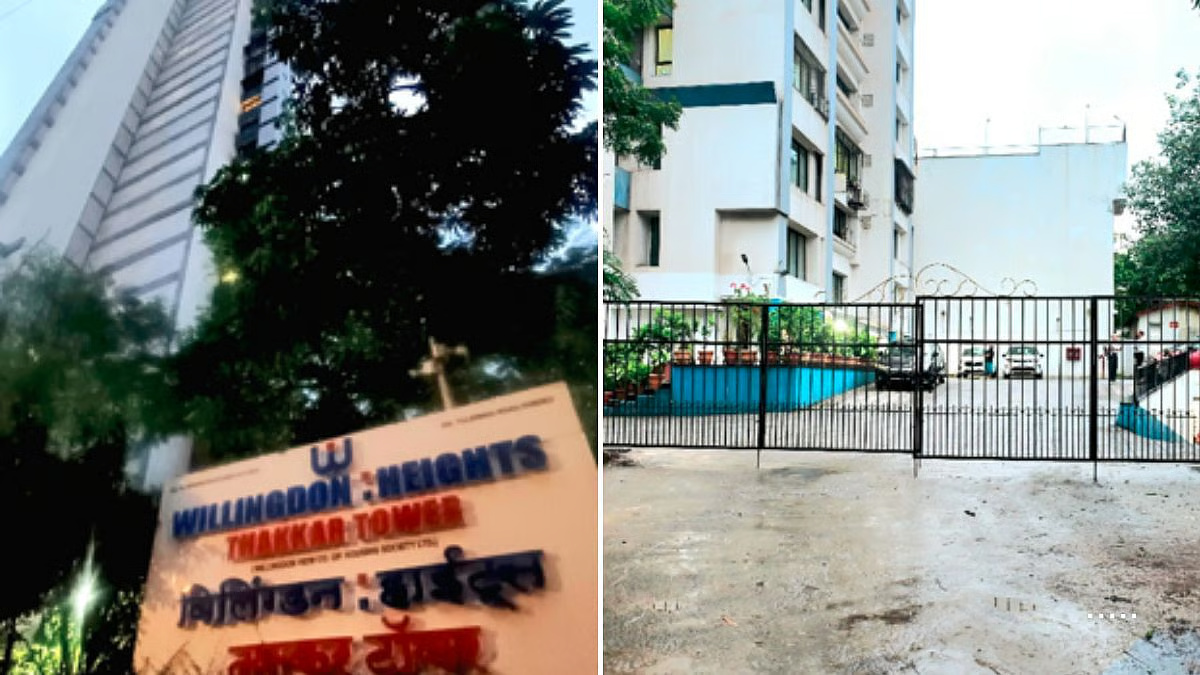
Mumbai residents living in buildings without an occupation certificate (OC) received significant relief after the state urban development department approved a revised amnesty scheme on December 11. The updated policy allows buildings constructed and occupied before 17 November 2016 to apply for regularisation, extending the earlier cut-off of January 2012. Officials say the move could benefit over 20,000 residential properties across the city.
The revisions are designed to encourage compliance while easing the financial burden on residents. Under the revised scheme, buildings that have converted Free FSI to habitable use will not incur any penalty if they apply within six months of the policy’s rollout. Previously, such properties were liable for a 50 per cent penalty. “The update prioritises resident welfare and encourages legal regularisation,” said a senior urban official. Hospitals and schools will also be eligible for the amnesty, though commercial properties remain excluded. The BMC has been instructed to prepare comprehensive guidelines for implementation, including an online system for partial occupancy certificates to individual flat owners. In cases of rehabilitation projects, the occupancy certificate of new buildings will be delinked from that of original sale units to simplify legal compliance.
Industry experts say the scheme offers practical solutions for residents affected by regulatory delays. “This policy balances citizen rights with urban planning norms, allowing long-standing buildings to formalise occupancy while maintaining safety and zoning compliance,” a housing analyst noted. The scheme also emphasises public interest considerations. The BMC has been directed to safeguard community amenities such as playgrounds and gardens while ensuring the amnesty does not become a loophole for unauthorised construction. The 50 per cent discount on premium charges and zero penalty concession will be applicable to flats with a carpet area of up to 80 sq. m, targeting affordable housing units.
Announced in September, the amnesty scheme was revised in response to widespread demand and urban development priorities. Officials stress that the scheme is not a tool to bypass regulations but a structured approach to regularise pre-existing discrepancies. Over 20,000 properties are expected to benefit, providing formal recognition to long-standing residential buildings while reducing administrative burden on municipal authorities. The BMC is now preparing to publicise the guidelines, making the application process accessible to citizens across Mumbai. Experts suggest that, if implemented effectively, the policy could strengthen compliance, reduce disputes, and support sustainable urban development by formalising building stock within city planning frameworks.
Mumbai Residents Gain Major Relief As State Approves Revised Non OC Amnesty Scheme