


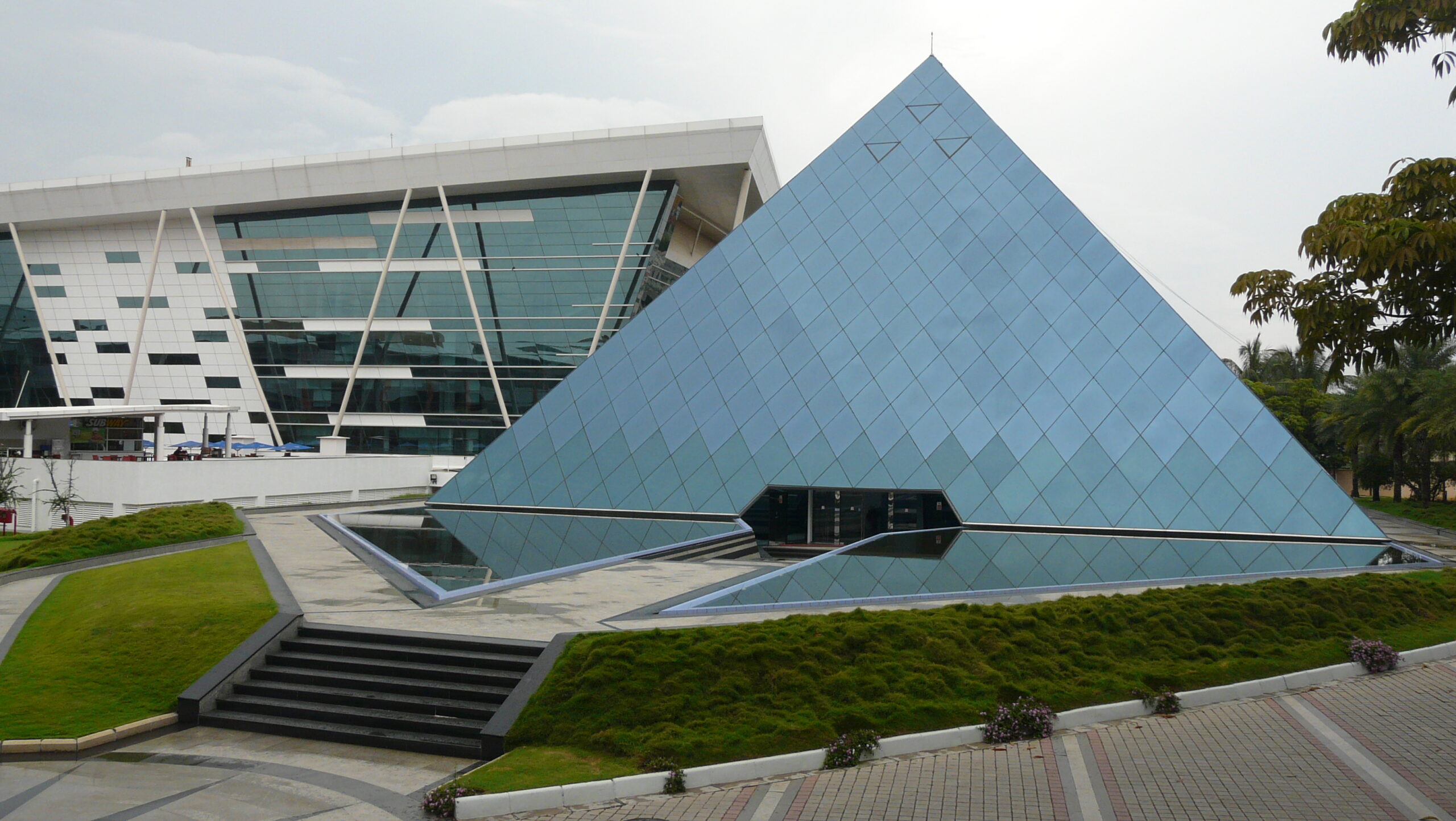
Bengaluru’s real estate sector has been thrust into the spotlight following reports that Infosys sold a 53.5-acre land parcel in Anekal, originally acquired from the Karnataka Industrial Areas Development Board (KIADB), to Puravankara Real Estate Pvt Ltd for Rs 250 crore. The transaction has generated widespread discussion on social media, raising questions about corporate involvement in the city’s urban development and housing affordability.
Industry experts note that large-scale land transfers between IT companies and real estate developers are not uncommon in Bengaluru, yet the scale of this deal has amplified public scrutiny. The parcel, covering approximately 6.4 million square feet, represents a significant addition to Puravankara’s land bank and aligns with its strategic objective to expand into high-potential areas with improved connectivity and infrastructure. According to a company filing, the acquisition has the potential to yield a Gross Development Value (GDV) of more than Rs 4,800 crore. An official from Puravankara stated that the purchase is part of the firm’s long-term strategy to develop sustainable residential communities while enhancing trust with consumers. The developer plans to utilise the land for large-scale, integrated housing projects, leveraging existing road networks and infrastructure improvements in Anekal.
Despite these assurances, the deal has prompted debate over corporate ethics and urban policy. Analysts highlight that while the transfer adheres to legal procedures, the optics of a prominent IT firm selling prime industrial land to a private developer can exacerbate public concerns regarding equitable urban growth. “Large land transactions must be assessed not only for financial compliance but also for their broader impact on city planning and affordable housing,” noted an urban planning expert. The controversy has reignited discussions on Bengaluru’s persistent challenges, including rising property prices, limited affordable housing stock, and infrastructure pressures. Citizens and policymakers alike are questioning the role of corporates in influencing urban landscapes, particularly when transactions involve land initially designated for industrial or IT purposes. Urban affairs specialists emphasise that strategic regulation of such land transfers could ensure balanced urban growth while protecting housing affordability. Transparent frameworks and timely disclosures may help mitigate social discontent and strengthen trust between residents, developers, and corporations.
As Puravankara proceeds with development plans and Infosys remains silent on public commentary, the Anekal transaction underscores the complex dynamics of corporate land use, real estate development, and sustainable city planning in India’s rapidly urbanising hubs.
Also Read: Mumbai GI Infra secures RERA registration for Urbana Square residential project
Bengaluru Infosys Faces Criticism Over Selling 53 Acre Land To Developer
