


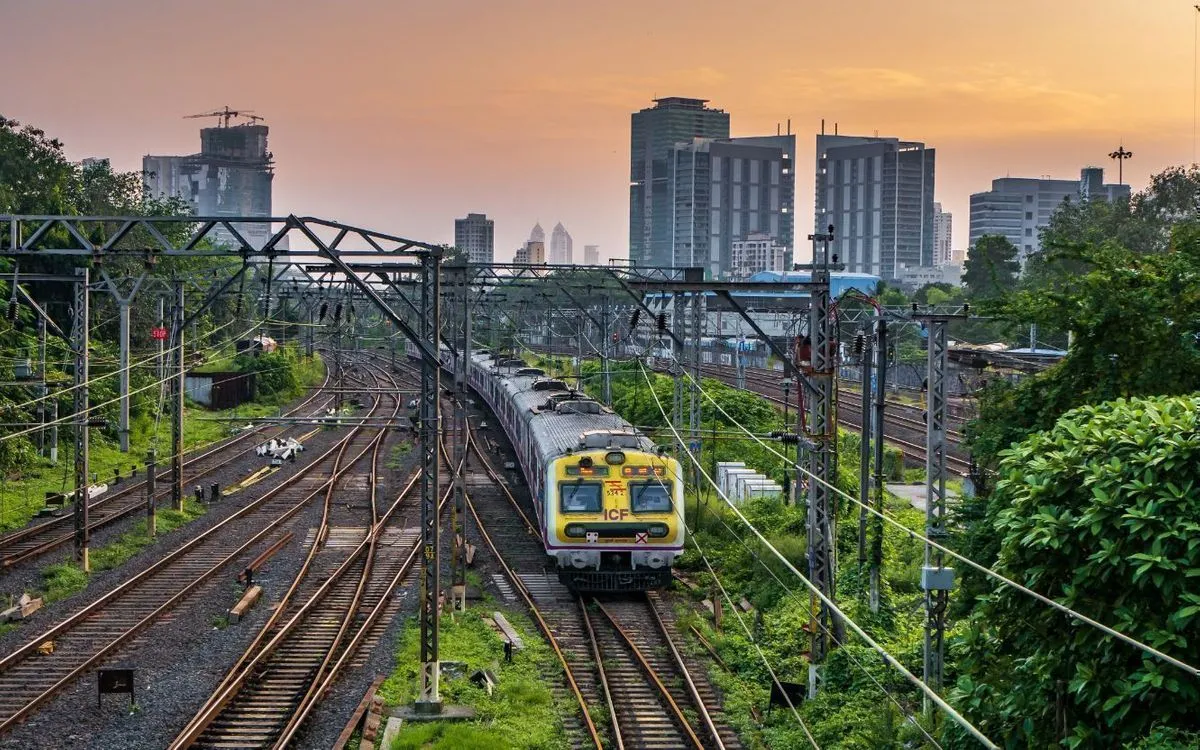
A landmark land lease in South Mumbai has sent a strong signal about investor confidence in India’s most supply-constrained urban market. A 2.5-acre railway-owned parcel in Mahalaxmi has attracted a record bid of Rs 2,251 crore for a 99-year lease, nearly doubling the reserve price set by the Railway Land Development Authority. Industry experts say the transaction could recalibrate land valuations across central Mumbai and accelerate institutional interest in public land monetisation.
The site, located near Mahalaxmi railway station, is among the few large, contiguous parcels remaining in South Mumbai’s dense urban fabric. Measuring roughly 10,800 square metres and governed by a permissible floor space index of 4.0, the land is earmarked for commercial development. According to officials familiar with the process, the highest bidder is expected to receive a letter of acceptance shortly, following which development plans will be scrutinised by relevant authorities. Urban economists describe the bid as a reflection of scarcity-driven pricing rather than speculative exuberance. “South Mumbai has virtually no fresh land supply. When public agencies unlock well-located parcels with long-term lease clarity, capital responds decisively,” an industry expert said. Comparable private land transactions in the area have been sporadic and often fragmented, making this deal a rare benchmark. The competitive intensity of the auction further underlines the depth of demand. Several large domestic and international developers participated, indicating sustained appetite for transit-linked commercial assets even amid tighter financing conditions. Analysts note that long-lease formats reduce upfront ownership risks while enabling developers to plan high-quality, long-life assets aligned with evolving workplace and sustainability standards.
From a city-planning perspective, the transaction highlights the growing role of public land as a catalyst for urban regeneration. Rail-adjacent commercial development, if executed responsibly, can reduce commute distances, support public transport usage, and unlock value without urban sprawl. “The challenge will be ensuring that design, energy performance, and public realm integration meet contemporary expectations of inclusive urban growth,” a senior urban planner observed. For the Railway Land Development Authority, the deal strengthens the case for structured land monetisation as a funding tool for infrastructure upgrades. Officials indicated that proceeds from such leases are intended to support rail modernisation and station redevelopment projects nationwide, linking asset value creation with public benefit. However, experts caution that record pricing also raises expectations. Developers will need to balance commercial returns with long-term resilience, including climate-responsive design, efficient resource use, and pedestrian-friendly integration. In a city grappling with congestion and environmental stress, how such premium land is built may matter as much as how much it costs.
As Mumbai searches for sustainable pathways to accommodate growth within fixed boundaries, the Mahalaxmi land lease stands out as more than a financial milestone. It is a test case for whether high-value urban land can deliver economic efficiency while contributing meaningfully to a more compact, connected, and future-ready city.
Also Read: Assam West Bengal Get 42 Additional Train Stoppages Improving Passenger Convenience 2025
Mumbai Railway Receives Rs 2251 Crore Bid For 2.6 Acre Mahalaxmi Land
