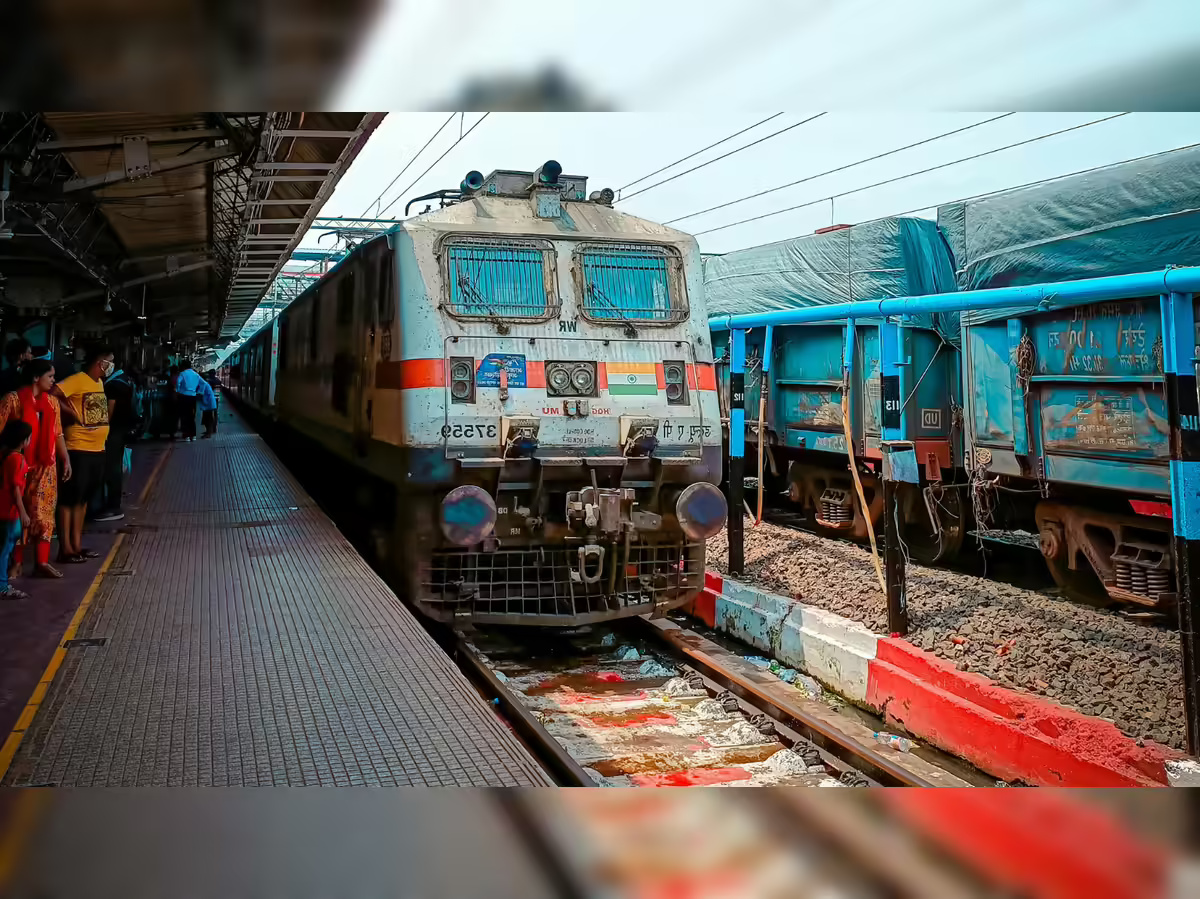
The Indian Railways is now targeting 2026 for the full operationalisation of the indigenously developed automatic train protection system, Kavach, on key high-density routes connecting Mumbai, Delhi, and Kolkata, following the miss of the December 2025 deadline. Officials emphasised that steady progress across multiple corridors, coupled with a phased and technology-intensive approach, positions the system for completion next year, enhancing safety and operational efficiency.
Kavach, designed to automatically apply brakes when trains exceed prescribed speed limits, supports locomotive pilots in maintaining operational discipline and reducing human error. Officials reported that 25 per cent of the Mumbai-Delhi and Delhi-Kolkata corridors are already commissioned, with remaining sections progressing rapidly. “We are committed to operationalising Kavach on these vital corridors in 2026,” said a senior railway official, noting ongoing trials and equipment installation. Significant infrastructure work has been completed, including the laying of optical fibre across 7,129 km, installation of 800 telecom towers, trackside equipment across 5,672 route km, and station-based systems on 860 stations. Loco Kavach has already been deployed on 4,154 locomotives, with further locomotives to be equipped progressively following a phased plan. Experts noted that with growing train frequencies on these busy routes, technical safety aids are increasingly critical.
The system has undergone extensive testing since its first passenger train trials in 2016, and the 4.0 version, adopted as the National Automatic Train Protection (ATP) system in 2024, integrates all major functionalities required for diverse railway operations. Officials highlighted that the Golden Quadrilateral, Golden Diagonal, and High-Density Network are being systematically covered, alongside identified strategic routes. Challenges remain, particularly in the availability of certified vendors. Initially, only three companies were approved for Kavach installation; this number has now grown to five, with expectations to exceed twenty by 2026. Railway sources stressed that India’s broad-gauge network spans over 78,000 km and continues to expand, necessitating additional original equipment manufacturers to accelerate installation.
Industry experts pointed out that Kavach represents a major step in Indian Railways’ commitment to safety and digital infrastructure modernisation. “The progressive deployment of Kavach will significantly reduce risks associated with human error while supporting sustainable, efficient, and reliable rail operations,” an official said. With phased commissioning on high-density corridors, coupled with expanded vendor support and technological readiness, 2026 is expected to mark a milestone year for train safety on India’s busiest intercity routes.
Mumbai Eyes Kavach Rollout On Delhi Kolkata Routes By 2026 Deadline