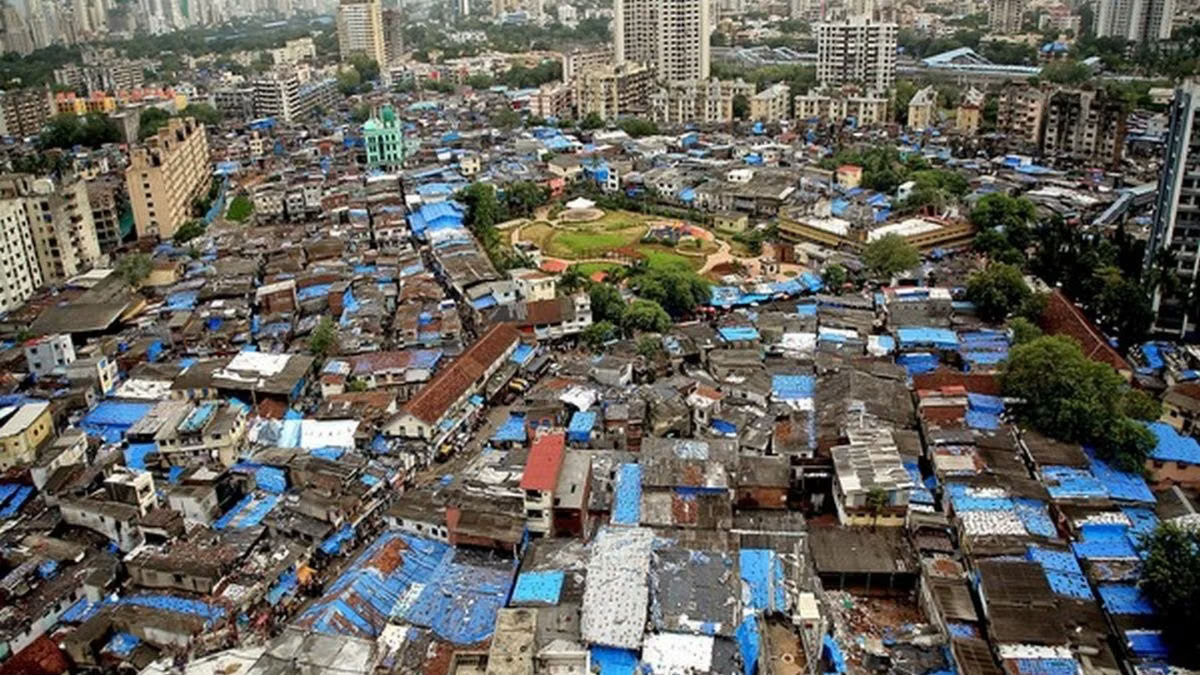
Mumbai’s Dharavi redevelopment project reached a pivotal milestone in 2025 as construction commenced on 6.5 acres of railway land, signalling a transition from planning to tangible execution after decades of delay. The initiative, led by a public-private partnership, integrates modern urban planning with the preservation of Dharavi’s historic live-work zones, highlighting efforts to balance development with community continuity.
The project is managed through a special-purpose vehicle, structured to allow the state government to retain full land ownership while enabling private investment to drive the redevelopment. “This model provides a workable framework for a project that was long considered too complex to implement,” an official said, emphasising the importance of PPP mechanisms in large-scale urban renewal. A significant technical achievement this year was the near-completion of a comprehensive four-stage survey of Dharavi, supported by the introduction of the area’s first digital twin. This computer-generated model allows for faster dispute resolution, transparent planning, and long-term governance, providing city planners and developers with a real-time simulation of the redevelopment process. Industry experts noted that integrating digital twins into urban projects reflects a global shift towards data-driven, resilient city planning.
The new masterplan submitted to the Maharashtra government preserves the neighbourhood’s existing live-work ecosystem while modernising infrastructure and logistics. The layout aims to provide improved transit corridors, utilities, and public spaces while maintaining the area’s industrial identity. Senior urban planners suggest that retaining the functional character of Dharavi is essential for sustaining livelihoods and ensuring socially inclusive urbanisation. Alongside physical construction, the Dharavi Social Mission has engaged directly with local residents, reaching approximately 7,000 individuals through vocational training, job placements, and healthcare services, including eye screening and cataract surgeries. The programme also facilitates access to government schemes for pensions, education, and social welfare, illustrating the project’s dual focus on physical redevelopment and social empowerment.
Sustainability is embedded into the project design, with frameworks addressing water and waste management, energy efficiency, and low-carbon transit solutions. Officials emphasise that the early-stage construction and digital planning tools will support long-term environmental resilience, aligning the redevelopment with Mumbai’s broader goals for sustainable, inclusive urban growth. While Dharavi’s redevelopment remains in its initial phase, the progress in 2025—from land mobilisation and construction to digital integration—marks a significant shift from blueprint to execution. Experts highlight that the combination of advanced technology, careful social planning, and public-private collaboration could serve as a model for complex urban renewal projects across India.
Adani Initiates Dharavi Redevelopment Covering 65 Acres With Digital Twin Platform