


As India steps into 2026, the housing and real estate sector stands out as one of the most resilient and transformative segments of the economy in 2025. Marked by strong investment momentum, a sharp rise in luxury housing demand, and renewed interest in Tier II cities, the year reflected a decisive shift in how homes are planned, built and experienced. Beyond numbers, the sector’s evolution signals changing urban aspirations and a growing emphasis on quality-led, sustainable living.
Luxury housing emerged as a dominant growth driver, supported by stable demand from high-income households and a growing preference for branded residential developments. Industry data shows India among the world’s leading markets for branded residences, a format that blends hospitality-style services with private ownership. Urban experts note that this trend reflects a deeper change in buyer priorities, where experience, community and long-term value increasingly define luxury, rather than scale or ornamentation alone. Equally significant was the rise of Tier II cities such as Lucknow, Indore and Coimbatore, which recorded some of the fastest housing growth rates in 2025. Improved infrastructure, expanding employment opportunities and relatively affordable land prices have drawn both end-users and investors to these emerging urban centres. Planners argue that this decentralisation could ease pressure on metro cities while supporting more balanced regional development.
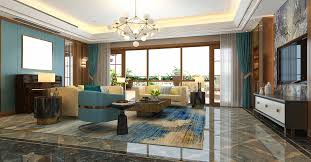
Within homes, the interior design landscape mirrored these shifts. Design professionals report a move away from standardised layouts towards highly personalised interiors shaped by daily routines and long-term use. Flexible floor plans, muted material palettes and multifunctional spaces gained traction, reflecting post-pandemic lifestyles that combine work, leisure and family life within the home. Vintage influences, tactile finishes and understated detailing replaced short-lived decorative trends. “Premiumisation today is about performance and longevity,” said an industry executive involved in residential interiors. “Buyers are willing to invest in better materials, smarter storage and efficient layouts, but only where these elements add functional value. The focus has clearly shifted from visual excess to well-considered design that ages well.” Sustainability also moved closer to the mainstream in 2025. Developers increasingly adopted energy-efficient construction practices, low-impact materials and improved ventilation strategies, partly driven by regulatory pressure and partly by rising consumer awareness. While net-zero housing remains niche, experts believe the groundwork is being laid for more climate-responsive urban housing over the next decade.
Looking ahead, analysts expect these trends to continue shaping India’s housing market in 2026. Stable interest rates, steady income growth and evolving lifestyle expectations are likely to keep demand resilient, particularly for thoughtfully designed homes in well-connected urban locations. As cities expand, the challenge will be to balance premium aspirations with affordability, inclusion and environmental responsibility an equation that will define India’s urban future.
Also Read: Bengaluru EAAA Alternatives Acquires Embassy Manyata Tech Park For Rs 530 Crore
India Home Interiors And Real Estate See Transformative Shift In 2025 Year
