


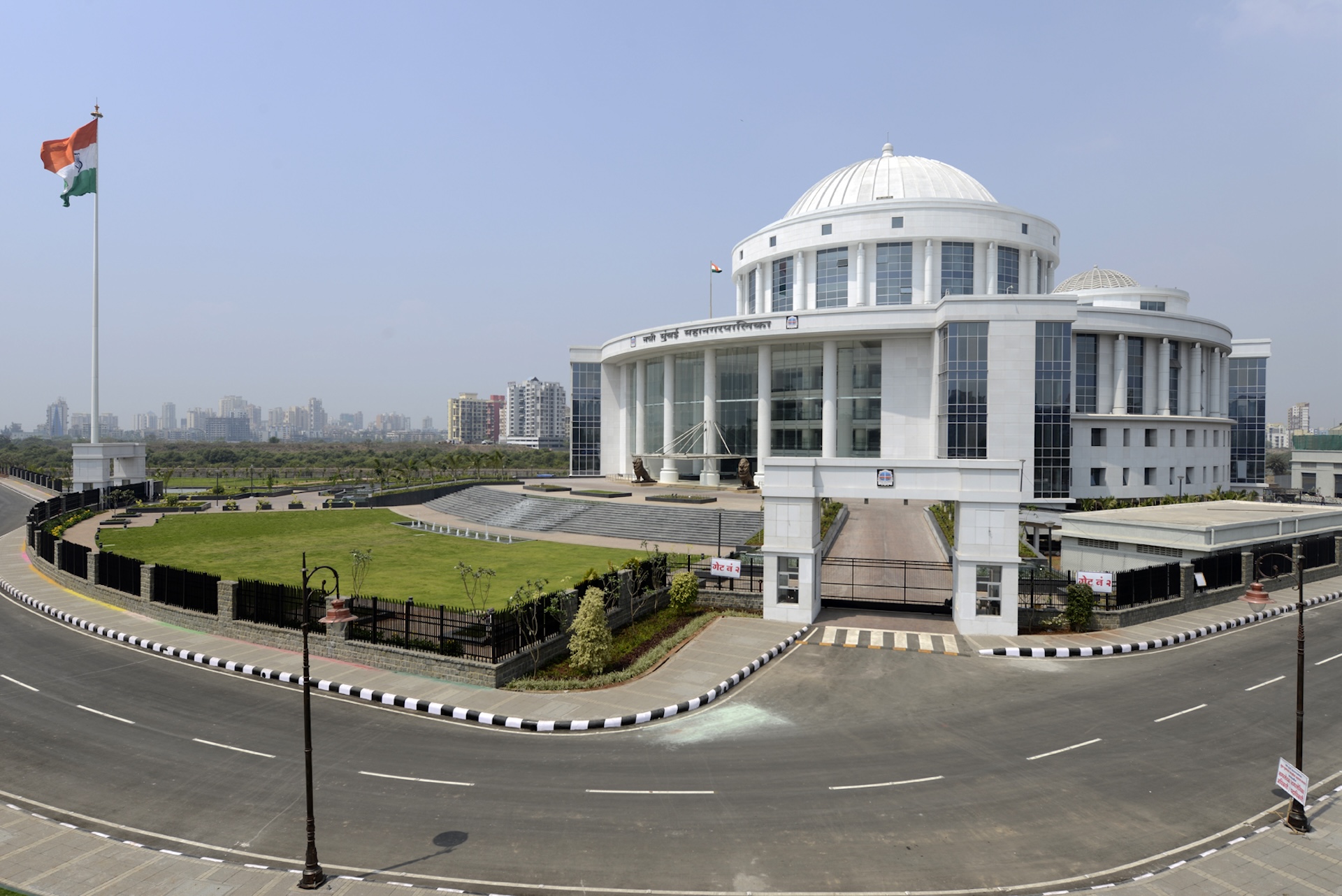
Navi Mumbai’s civic administration has moved to tighten oversight of construction activity as concerns grow over deteriorating air quality, placing new compliance responsibilities on developers and contractors across the city. The measures mark one of the most comprehensive local responses yet to construction air pollution, a major contributor to urban particulate emissions in fast-growing metropolitan regions.
At a recent closed-door review, the municipal leadership convened developers, architects and planning professionals to reiterate that economic growth cannot come at the cost of public health. Officials stressed that construction air pollution must be treated as a shared responsibility, particularly as large-scale redevelopment and infrastructure works continue to reshape the city’s skyline. The renewed enforcement drive follows judicial scrutiny of urban pollution across the Mumbai Metropolitan Region. Acting on directions from the Bombay High Court, the municipal corporation has formalised a detailed framework governing construction practices, including clear penalties for non-compliance. Civic officials said inspections have revealed uneven adoption of mandated safeguards, prompting a sharper regulatory approach. Under the updated enforcement plan, all active construction sites will be required to install CCTV cameras and visible air quality display boards, allowing both authorities and citizens to track pollution levels in real time. These systems will be linked to a central monitoring dashboard, enabling swift action if emissions exceed prescribed thresholds. The city also plans to expand its network of ambient air quality stations to improve neighbourhood-level data coverage. An official involved in the rollout said the aim is not merely punitive but corrective. “Real-time data allows early intervention before pollution peaks. This is critical for protecting vulnerable groups such as children, elderly residents and outdoor workers,” the official noted.
The new regime also places stronger emphasis on worker welfare and on-site safety. Developers must comply with updated standard operating procedures covering dust suppression, material handling and debris management. Failure to follow these norms could result in suspension of work or withdrawal of construction permissions, signalling a shift towards accountability-driven urban governance. Beyond construction sites, the civic body is intensifying citywide dust mitigation. Measures include prioritising mechanical road washing over fogging, stepped-up cleaning along arterial roads and stricter action against illegal dumping of construction waste. A seasonal drive targeting winter pollution has also been launched, when particulate matter levels typically rise. Urban planners say the initiative reflects a broader transition in Indian cities towards climate-conscious regulation. While construction air pollution remains a challenge in high-growth corridors, data-led enforcement can help cities balance development with liveability. “Cleaner construction practices are no longer optional; they are central to sustainable urbanisation,” said an industry expert.
Municipal officials have indicated they will remain open to operational feedback from developers, provided environmental outcomes are not diluted. As Navi Mumbai continues to expand, the effectiveness of these measures could set a template for inclusive, healthier and lower-carbon urban growth across the region.
Also Read: Thane To Host CREDAI MCHI Real Estate And Housing Finance Expo 2026
Navi Mumbai NMMC Asks Developers To Tighten Pollution Controls At Construction Sites
