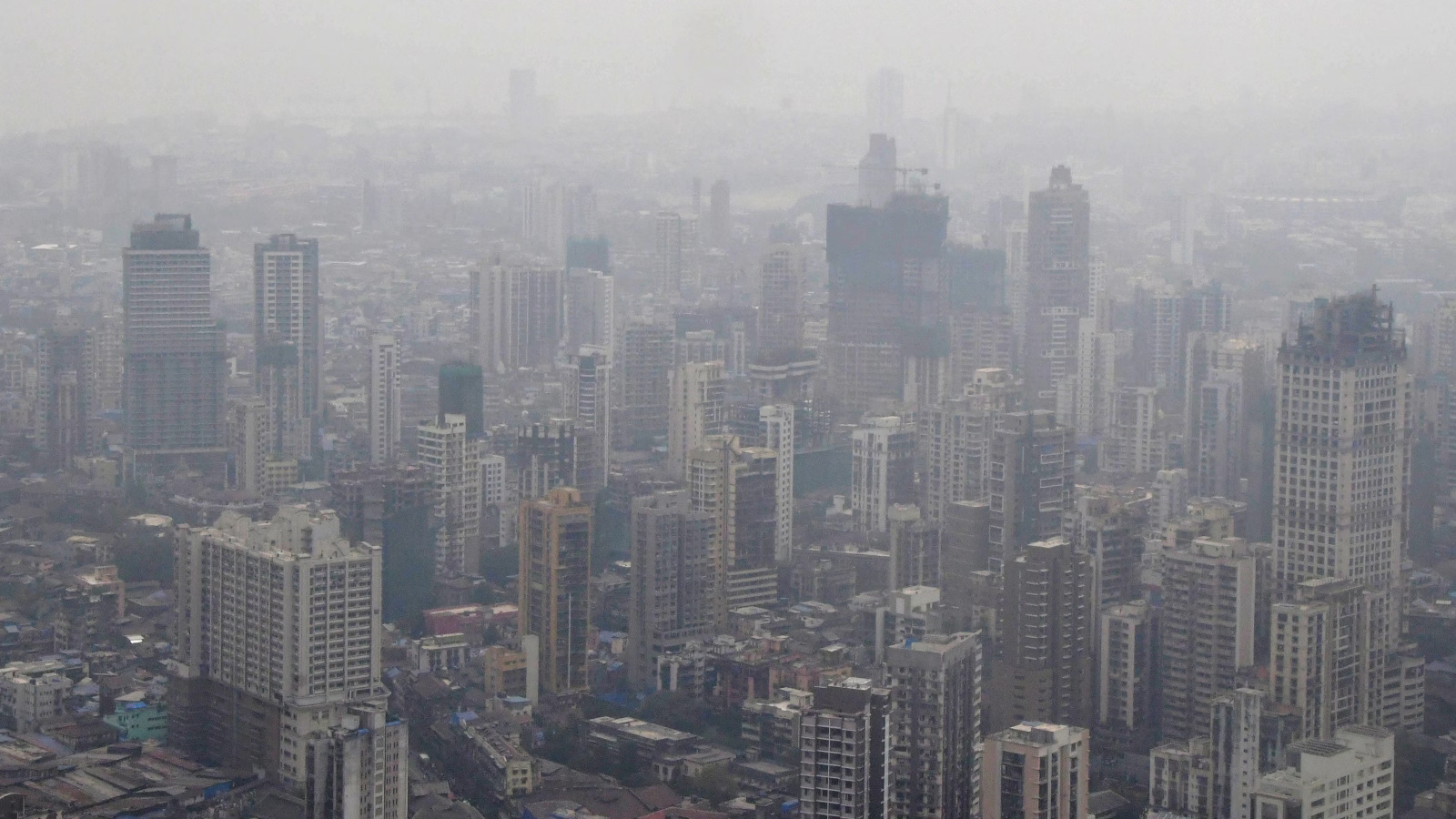
Mumbai is experiencing a brief pause in its winter chill, with minimum temperatures rising in the days leading up to Christmas, even as daytime conditions remain largely unchanged. Weather officials say the shift reflects typical coastal winter behaviour rather than an early end to the season, offering residents a reminder of the city’s complex microclimate dynamics.
Over the past few days, night-time temperatures across the city have edged upwards, bringing relatively warmer evenings after a short spell of cooler conditions earlier this month. Observatories in the suburbs recorded minimum temperatures crossing the 20-degree Celsius mark, placing readings above the seasonal average for late December. In contrast, maximum temperatures have remained within the expected range, hovering in the low thirties. Meteorological experts attribute the change to evolving wind patterns along the western coast. During winter, Mumbai’s cooler nights are largely driven by northerly winds carrying colder air from inland regions. When these winds weaken or shift direction, the moderating influence of the Arabian Sea becomes more pronounced, leading to warmer nights despite unchanged daytime heat.
“The absence of strong northerly flows allows moisture-laden coastal winds to dominate. This raises night temperatures while keeping daytime readings stable,” a weather official explained. Such fluctuations are considered normal during Mumbai’s winter months, which are generally milder compared to northern Indian cities. Forecasts suggest that this warming trend will be temporary. Minimum temperatures are expected to dip slightly over the coming days, settling back into the 18 to 19-degree Celsius range by the end of the month. Daytime temperatures, meanwhile, are likely to stay consistent, providing predictable conditions for outdoor activity and travel during the holiday period.
Urban climate researchers note that short-term temperature variations are becoming more noticeable in coastal cities due to a combination of regional climate patterns and urbanisation. Dense construction, reduced green cover and heat retention from built surfaces can amplify warmer nights, particularly when natural cooling mechanisms are weakened. From a sustainability perspective, such patterns underscore the importance of climate-responsive urban planning. Measures such as increased tree cover, reflective building materials and improved ventilation corridors can help cities moderate night-time heat without relying heavily on energy-intensive cooling. For residents, warmer winter nights may reduce heating needs but can also affect sleep quality and energy consumption patterns.
While Mumbai’s current weather does not signal an extreme event, experts caution that monitoring seasonal variability is essential for long-term climate resilience. As cities continue to expand vertically and horizontally, understanding and adapting to subtle climatic shifts will play a critical role in shaping healthier, more liveable urban environments. For now, Mumbaikars can expect a familiar December rhythm—mild days, fluctuating nights and a brief return of cooler air as the year draws to a close.
Mumbai Sees Rise In Minimum Temperatures Ahead Of Christmas Maximum Normal Remains