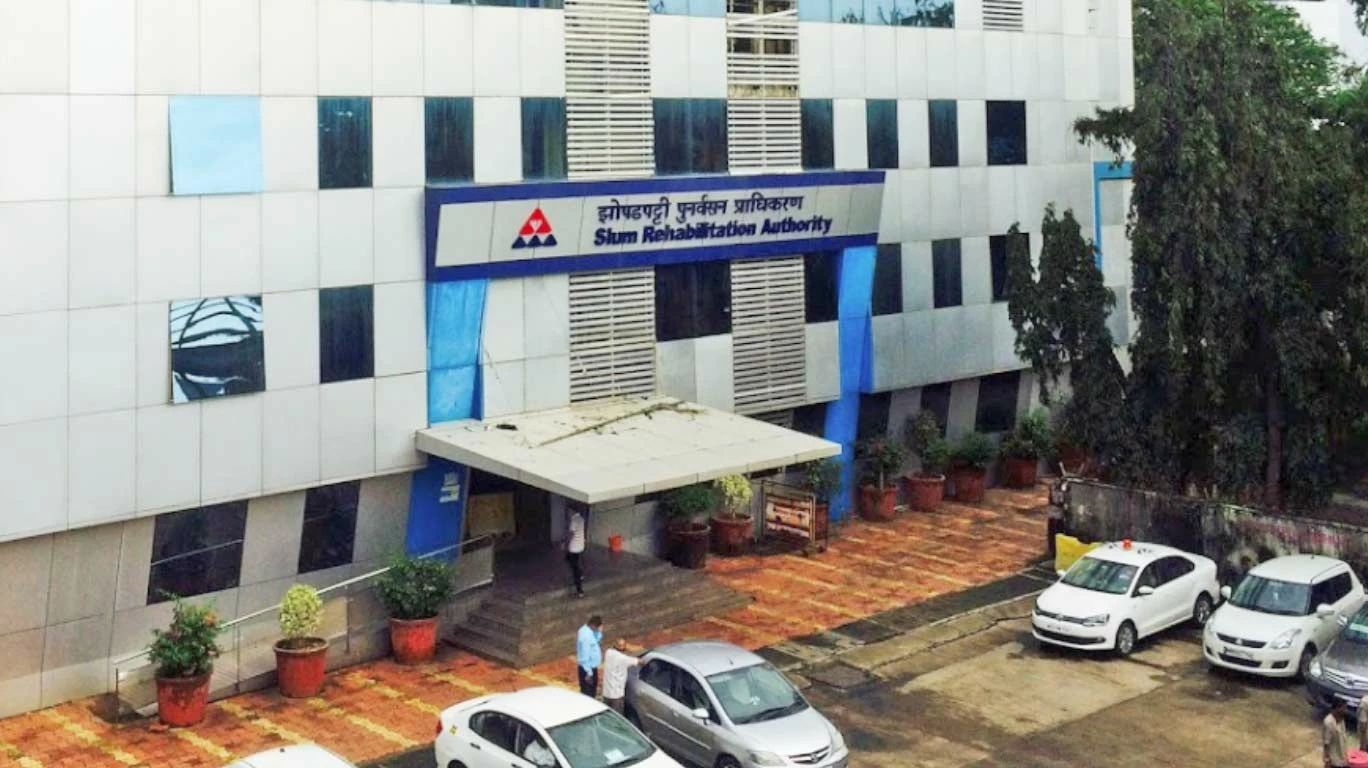
Mumbai Slum Rehabilitation Authority (SRA) has established three dedicated Special Cells across the city to address disputes relating to transit rent, allotment of permanent tenements, and unauthorised occupation of flats. The initiative follows directives from the Bombay High Court (HC), which has repeatedly emphasised the need for sensitive, time-bound resolution of grievances impacting slum dwellers’ right to housing.
The Special Cells, covering Mumbai City, Eastern Suburbs, and Western Suburbs, were formally constituted via an SRA circular issued on 22 December. The court underscored that the cells should prioritise mediation and amicable solutions rather than adversarial proceedings, ensuring that disputes are resolved efficiently while maintaining legal compliance. The High Court’s directions come amid widespread concerns highlighted in 67 petitions, with allegations including non-payment of transit rent over two years, denial of permanent housing, and unauthorised occupancy of redeveloped flats. Court observers noted that the SRA frequently faces recurring grievances despite existing circulars on transit rent payments, pointing to the need for a structured and accountable dispute resolution mechanism.
Under the new system, the Special Cells are tasked with adjudicating complaints within 15 days of filing, with a possible extension of another 15 days for duly recorded reasons. Officers managing the cells are instructed to consider each case on its merits, avoiding mechanical application of rules, and to ensure that reasoned orders are issued in line with the SRA’s regulatory framework. Parties retain their statutory right to approach courts even after decisions by the cells. Key measures introduced in the December 22 circular include freezing a portion of developers’ saleable units during the Letter of Intent stage to secure transit rent obligations. Developers are required to pay two years’ rent upfront and submit post-dated cheques for a third year. Defaults can trigger recovery actions under the Slum Act, while unauthorised occupants face eviction under relevant provisions. Executive Engineers will oversee enforcement, reporting bi-monthly to the SRA CEO to prevent dereliction of duty.
The High Court has welcomed the SRA’s approach, noting that timely and fair intervention is critical to safeguard the welfare of slum residents. By combining structured oversight with mediation-based dispute resolution, the authority aims to reduce litigation, improve transparency, and enhance the effectiveness of Mumbai’s slum rehabilitation programmes. This step reflects a broader shift towards inclusive urban governance, ensuring that rapid development does not compromise legal rights or equitable access to housing in India’s largest metropolitan region.
SRA Launches Three Special Cells To Resolve Transit Rent And Housing Issues