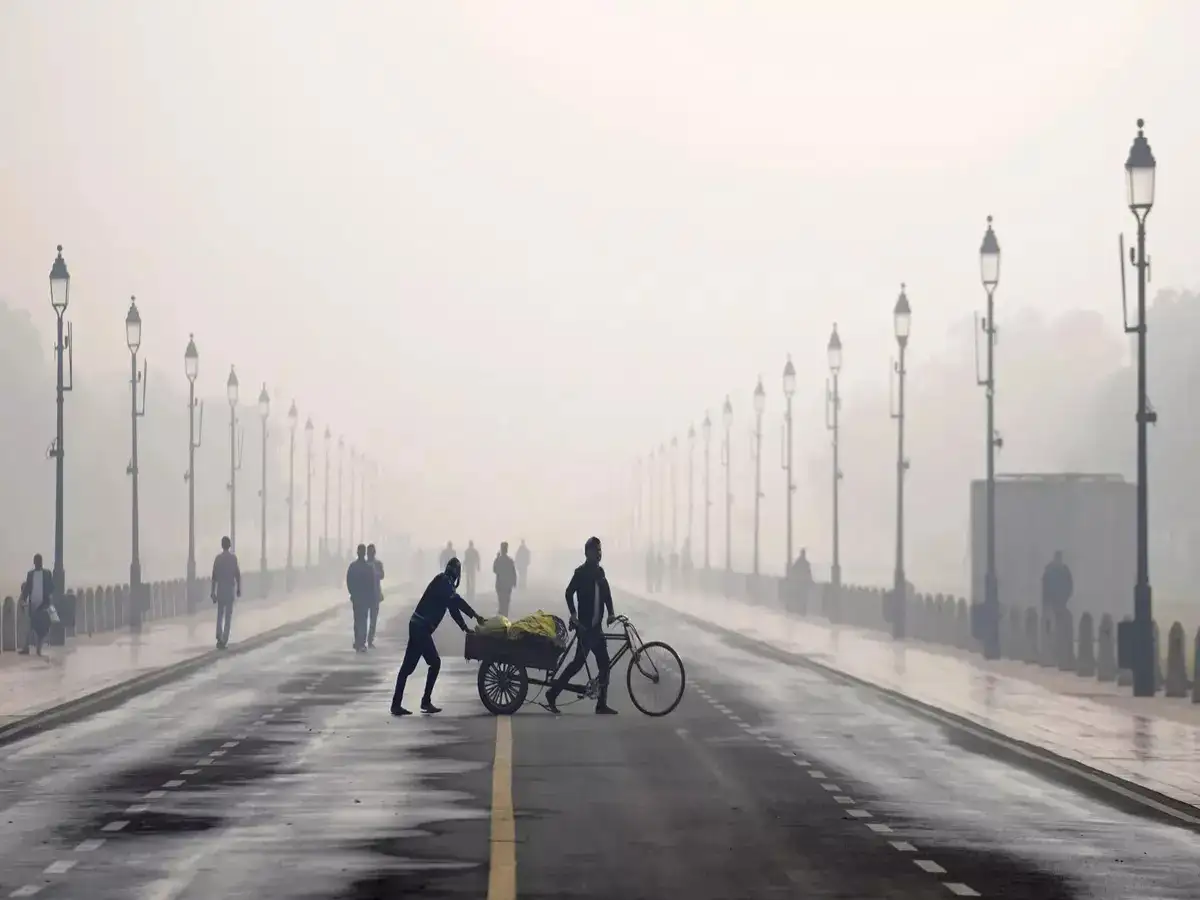
A cold wave sweeping across India is affecting major cities, including Delhi, Kolkata and Mumbai, bringing chilly temperatures, dense fog, and reduced visibility on urban roads. Meteorological authorities have reported that northern cold currents are influencing central and western regions, highlighting the challenges that winter conditions pose to commuters, public transport, and urban planning.
In Maharashtra, temperatures have fallen significantly due to persistent cold air from northern India. Mumbai recorded a morning low of 29°C alongside 33 per cent humidity, with light smog limiting visibility in key areas. Pune has experienced cooler mornings coupled with rising air pollution levels, raising health concerns among residents, according to an official from the state environmental monitoring department. Kolkata has been experiencing sustained cold since late November, with temperatures dropping to around 12–15°C. Chilly northerly winds have made mornings and evenings particularly cold, although afternoons remain comparatively mild. Urban experts note that consistent low temperatures increase energy demand for heating and could affect public health, especially among vulnerable populations.
Delhi has been shrouded in dense fog, with temperatures hovering below 20°C. The thick fog has disrupted road traffic, train schedules, and flight operations, prompting the India Meteorological Department to issue advisories for commuters. City authorities are coordinating with transport agencies to ensure minimal disruption and improve public awareness on safe travel practices during low-visibility conditions. Bengaluru, while relatively milder, recorded morning temperatures of 15.2°C, creating a crisp winter environment. Light mist was observed in early hours, with temperatures expected to rise to 26°C later in the day. Despite the cold wave alert in parts of Karnataka, airport operations remain normal, highlighting regional variations in weather impact.
Industry analysts suggest that such seasonal fluctuations underscore the need for cities to strengthen resilience in transport and energy systems. Dense fog and smog not only affect daily commuting but also exacerbate air pollution challenges, emphasizing the importance of integrated urban planning strategies to protect public health and mobility. As winter progresses, authorities advise residents to plan travel cautiously, use air quality monitoring tools, and follow official advisories. Urban planners stress that better awareness, timely alerts, and sustainable pollution control measures can help cities navigate these extreme conditions while maintaining public safety and mobility efficiency.
Delhi Kolkata Mumbai Face Cold Wave Fog Low Temperatures Disrupt Roads