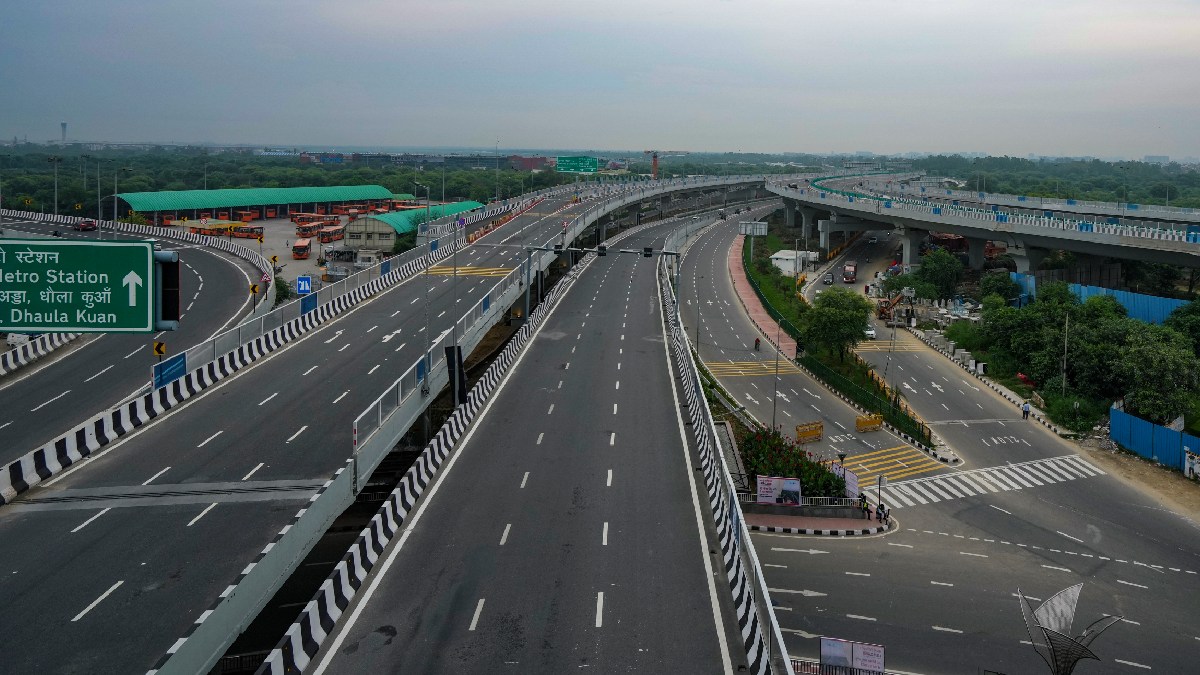
Kanpur Lucknow Expressway Set To Become Northern India Startup Hub And Reduce Commute
The Kanpur–Lucknow Expressway is poised to revolutionize travel and economic activity in Uttar Pradesh, reducing commute time between the two cities to just 45 minutes. Designed as a high-speed, access-controlled corridor, it is being developed as a “Startup Corridor” to attract technology firms, innovation hubs, and industrial investments, positioning the route as a catalyst for entrepreneurship and regional economic growth. Officials say the expressway will enhance connectivity, streamline logistics, and create a dynamic ecosystem for businesses and startups across northern India.
Stretching approximately 67–75 km, the expressway is engineered for high-speed travel with minimal intersections, cutting the current three-hour road journey to under an hour. This infrastructure upgrade is part of the state and National Highways Authority of India’s broader strategy to boost transport efficiency, reduce congestion, and support seamless regional integration, enabling faster movement of goods, services, and talent.State planners envision the corridor as a nucleus for enterprise, integrating industrial parks, tech clusters, and logistics hubs along the route. Improved accessibility between Kanpur’s industrial base and Lucknow’s administrative and educational ecosystem is expected to stimulate investment, strengthen inter-city business networks, and foster high-value employment opportunities, particularly in technology, manufacturing, and innovation-driven sectors.
Economic analysts highlight that the expressway’s impact extends beyond travel time reduction. Enhanced connectivity can encourage startup growth, support supply-chain efficiencies, and attract both domestic and international investors. Urban and transport planners also note the potential for ancillary development, including housing, services, and sustainable mobility solutions, creating a more integrated and future-ready northern India economic corridor.However, experts caution that the corridor’s full potential depends on complementary investments in digital infrastructure, skills development, and equitable land access for small and medium enterprises. Coordinated planning will be essential to ensure that improved connectivity translates into inclusive economic outcomes, fostering sustainable growth while balancing urban development and community benefits.
As the Kanpur–Lucknow Expressway nears completion, stakeholders anticipate a profound impact on travel behaviour, investment flows, and regional competitiveness. By dramatically shortening commute times and fostering a conducive environment for startups, the expressway is set to reshape northern India’s economic and innovation landscape.