Chennai Establishes Panel To Integrate Homeless Shelters Rehabilitation And Skill Training
Chennai has moved to strengthen its response to urban homelessness with the formation of a multi-agency panel aimed at coordinating shelters, rehabilitation, and skill development for the city’s most vulnerable residents. Chaired by the municipal joint commissioner for health, the committee brings together officials from housing, social welfare, skill development, and urban habitat agencies, signalling a shift from fragmented interventions to a more integrated strategy across the city.
A joint survey conducted this year by the Greater Chennai Corporation (GCC) and the Madras School of Social Work (MSSW) found 13,529 homeless individuals spread across 2,837 locations. While the city currently runs 47 shelters in partnership with NGOs, researchers note that lack of coordination has limited the impact of existing programs. Academics suggest that structured inter-agency collaboration could improve shelter utilisation, ensure efficient resource allocation, and better address the needs of the homeless population.Spatial disparities remain a challenge, with Zone 5 (Royapuram) reporting the highest concentration of homeless residents. Civic authorities have been tasked with identifying land for new shelters, but land scarcity in central business districts and older urban zones remains a constraint. Officials note that temporary night shelters, including coastal locations, can be set up quickly and at lower costs, providing immediate relief while permanent facilities are planned.
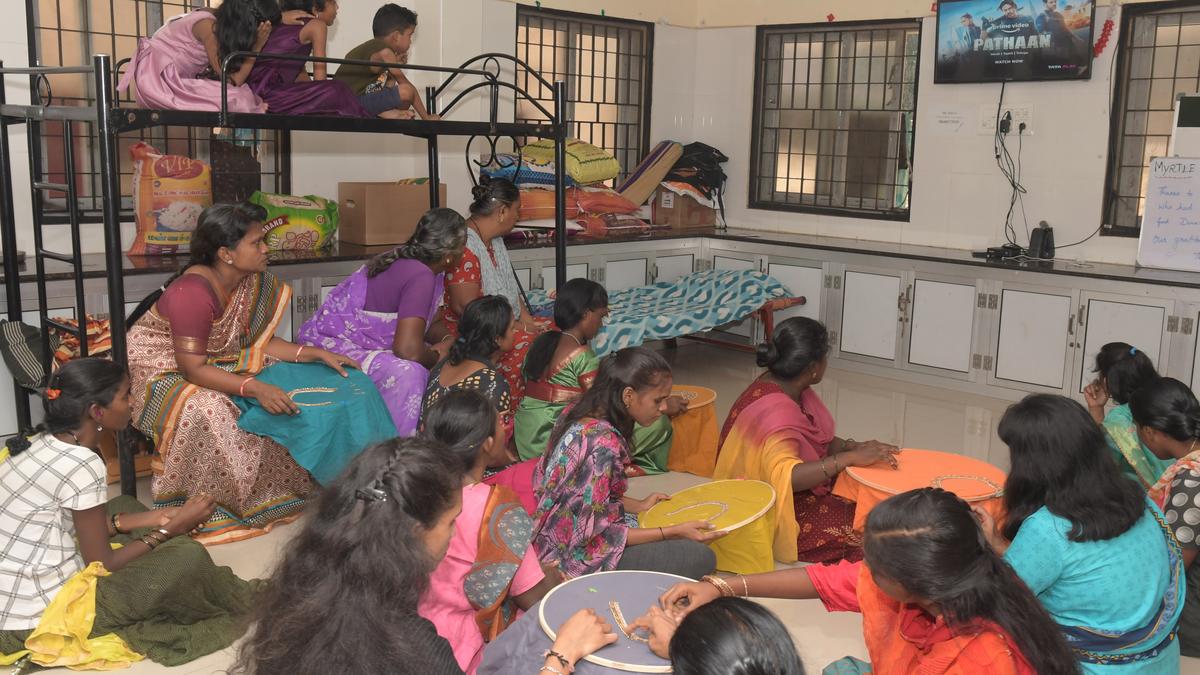
Beyond sheltering, the committee emphasises rehabilitation and livelihood creation. The Tamil Nadu Skill Development Corporation has begun profiling and mapping homeless individuals across 38 city sectors to understand their aspirations and link them with suitable training programmes. Experts highlight that aligning skill development with shelter initiatives is key to breaking the cycle of homelessness, particularly for migrants and informal workers affected by urban housing pressures.
The panel is expected to convene its first meeting by January next year, where agencies will set targets and timelines for integrated action. Urban planners view the initiative as an opportunity to address homelessness not only as a welfare issue but also as a structural challenge tied to inclusive urban growth, sustainable city planning, and equitable access to services. By bridging shelters, rehabilitation, and skill training, Chennai aims to create a more coordinated, resilient, and humane framework for supporting its homeless population.