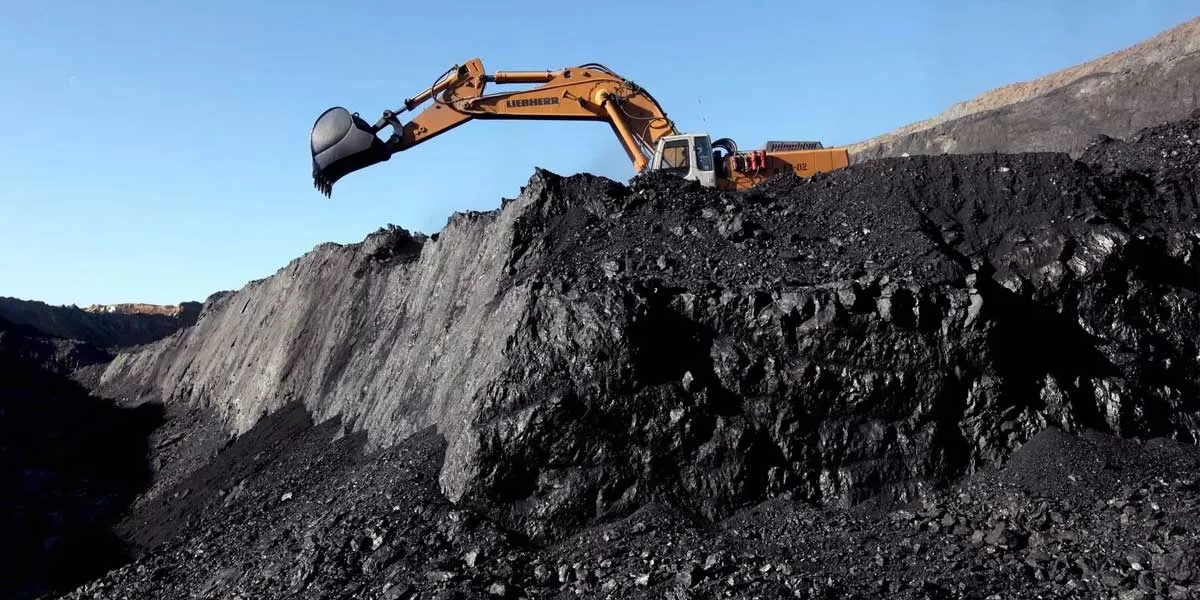
Dhanbad Coal Operations Hit By Nationwide Labour Strike
India’s Ministry of Coal has announced a major production milestone, with output approaching one billion tonnes in the current fiscal year. The announcement by Minister G Kishan Reddy highlights significant gains in domestic coal supply, aimed at strengthening energy security and supporting industrial and urban infrastructure development. Alongside record production, the Ministry has simplified procedures for managing coal washery rejects, ensuring faster utilisation while maintaining environmental safeguards, signalling a push for more efficient and sustainable coal sector operations.
The revised policy on washery rejects prioritises energy recovery from waste with a calorific value above 1,500 kcal, in line with the Solid Waste Management Rules, 2016. Officials noted that streamlining disposal reduces bureaucratic delays and promotes effective utilisation of coal by-products, aligning with the government’s Atmanirbhar Bharat vision and broader reform agenda for the sector. Analysts suggest that these reforms could also encourage private sector investment in clean energy and urban industrial projects.Experts emphasise that achieving near one billion tonnes of coal output represents a major operational and logistical accomplishment, given India’s diverse mining regions and environmental considerations. “High-volume coal production under structured oversight is vital for sustaining urban energy demands and industrial growth,” a senior energy sector analyst said. “Proper handling of washery rejects also helps integrate more sustainable practices within conventional energy operations.”
Coal remains a cornerstone of India’s energy mix, powering thermal plants, steel production, and expanding urban infrastructure. By simplifying compliance and promoting responsible waste management, authorities aim to balance production efficiency with environmental responsibility. Observers note that these measures are essential not only for energy security but also for supporting urban development projects that increasingly depend on reliable, low-carbon energy inputs.Industry insiders believe that robust monitoring of coal outputs and washery processes can reduce environmental impact while opening opportunities for technology-driven innovation in urban energy management. “Sustainable coal utilisation directly contributes to city planning and infrastructure funding, linking natural resource efficiency with equitable urban growth,” the analyst added.
The Ministry has pledged continued oversight to ensure that production gains do not compromise ecological standards. By combining high output with responsible waste utilisation, India seeks to maintain a trajectory of economic growth, industrial resilience, and sustainable urban and energy systems.