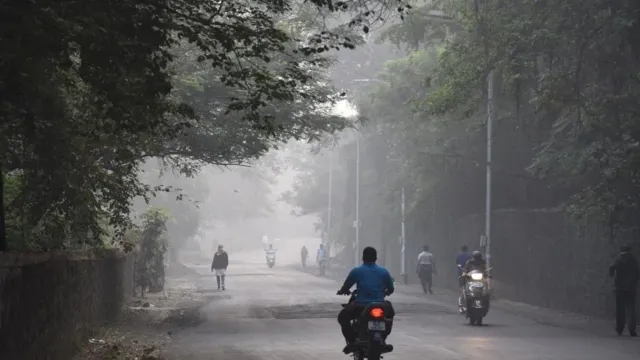
Bengaluru is experiencing a persistent cold wave on Monday, 22 December 2025, with minimum temperatures dropping to 14.7°C in the city, 13.9°C at HAL Airport, and 13.2°C at KIAL Airport. North Karnataka recorded even lower temperatures, with Bidar dipping to 7.4°C. The Karnataka State Meteorological Department has issued warnings for residents to stay warm, as the chilly conditions are expected to continue in the coming days, affecting daily life across urban and rural areas.
Despite the cold mornings, Bengaluru enjoyed clear skies with daytime temperatures reaching 19°C. Humidity levels remained moderate at 63%, accompanied by easterly winds averaging 13.3 km/h. Air quality continues to be a concern, with an Air Quality Index (AQI) ranging from 80 to 250, posing potential health risks for sensitive groups including children, the elderly, and those with respiratory issues.Cold conditions are widespread across Karnataka. In South Karnataka, Hassan recorded a minimum of 7.5°C, while the coastal Karavali region experienced unusual chills with Honnavar at 16.0°C and Karwar at 17.0°C. Meteorologists note that such low temperatures in coastal areas are rare, occurring only a few times each winter, underscoring the variability of microclimates across the state.
The Karnataka State Meteorological Department has issued weather alerts for multiple districts. Seven districts, including Kalaburagi and Raichur, are under an orange alert, signalling potentially hazardous cold conditions. Fifteen other districts, including Mandya and Mysuru, are under a yellow alert, advising residents to take precautions during outdoor activities. Authorities emphasise protective measures such as wearing layered clothing, keeping homes warm, and monitoring vulnerable individuals to mitigate health risks.Experts highlight that Bengaluru’s urban environment can amplify the effects of cold waves due to heat retention in built-up areas, combined with morning humidity and wind chill. “Even moderate cold can feel more intense in densely built city areas, affecting daily routines and energy use,” said an urban climatologist. Residents are encouraged to optimise home heating, adopt energy-efficient practices, and plan outdoor activities around the coldest hours.
This ongoing cold wave highlights the importance of resilient urban planning. Cities like Bengaluru need to integrate public health advisories, energy management, and community support to help citizens cope with extreme weather. By addressing both infrastructure and civic preparedness, urban areas can maintain comfort, safety, and sustainability during unusual climatic events.