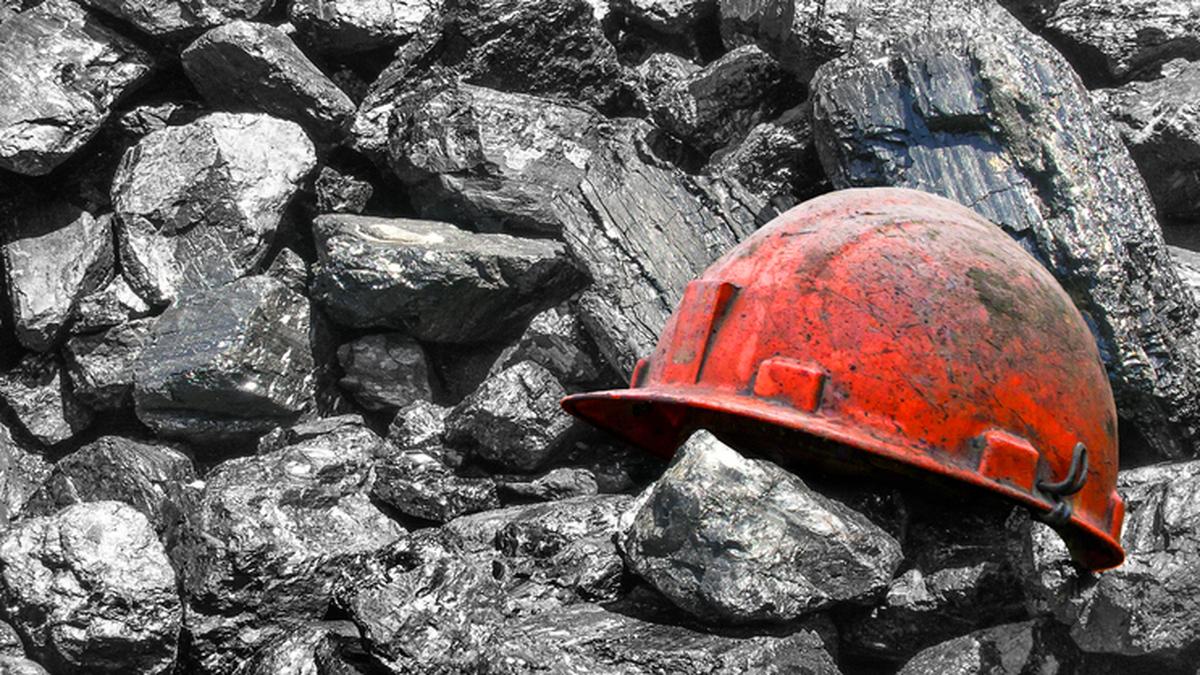
Two workers died after a highwall in an opencast coal mine collapsed onto a coal-loading truck late Saturday night, raising urgent concerns over mine safety in the region. The incident occurred within the operational area of Central Coalfield Limited under Urimari Police Station limits. Authorities recovered both bodies on Sunday morning, while another worker was rescued and hospitalised, highlighting persistent safety challenges in Jharkhand’s mining sector.
The deceased were identified as Sunil Yadav, 30, working as a tipper operator, and Raju Paswan, 50, employed as a dump man by an outsourced company. The collapse also buried two pieces of mining equipment, forcing a temporary halt in coal extraction. Barkagaon Sub-Divisional Police Officer Pawan Kumar said debris removal had been delayed due to darkness, dense fog, and protests by workers demanding better safety measures.Highwalls, the exposed faces of overburden and coal in opencast mines, are inherently risky if not properly monitored. Mining experts emphasised that slope stability and continuous geotechnical assessment are crucial to prevent such tragedies. “Highwall collapses, though uncommon, can be fatal when safety protocols or monitoring are inadequate,” an official familiar with CCL operations said. The incident underscores gaps in adherence to safety standards, particularly in outsourced operations where supervision may be inconsistent.
The accident prompted immediate protests from labourers at the site, who alleged insufficient safety measures and demanded compensation for the families of the deceased. Authorities have initiated post-mortem examinations and an investigation into operational compliance. Mining analysts note that while Jharkhand is a key coal-producing region, recurring accidents highlight the tension between production targets and worker safety.Beyond the immediate human loss, such incidents reflect broader challenges for sustainable urban-industrial development. Ensuring safe and equitable working conditions in extractive industries aligns with the goals of zero-accident workplaces and inclusive, resilient cities. Experts argue that integrating modern slope monitoring technology, regular safety audits, and worker training can significantly reduce risks in opencast coal mines.
As India continues to rely on coal for energy, the human cost of extraction remains a critical concern. Incidents like the Hazaribagh collapse reinforce the importance of balancing economic output with rigorous safety standards. Transparent oversight, modern geotechnical practices, and clear accountability for outsourced operations are essential to prevent future fatalities and support responsible, sustainable mining practices in Jharkhand.