


A proposed highway expansion in Navsari has triggered strong resistance from the city’s Parsi community, reopening a sensitive debate on how infrastructure development intersects with religious heritage and minority rights in India’s rapidly urbanising regions. The National Highways Authority of India is considering acquiring a portion of land belonging to Doongerwadi, a sacred funerary site used by Parsis for centuries, as part of plans to widen a key regional highway connecting Surat and Navsari. Community members argue that even a limited acquisition would encroach upon consecrated land and disrupt long-established religious practices.
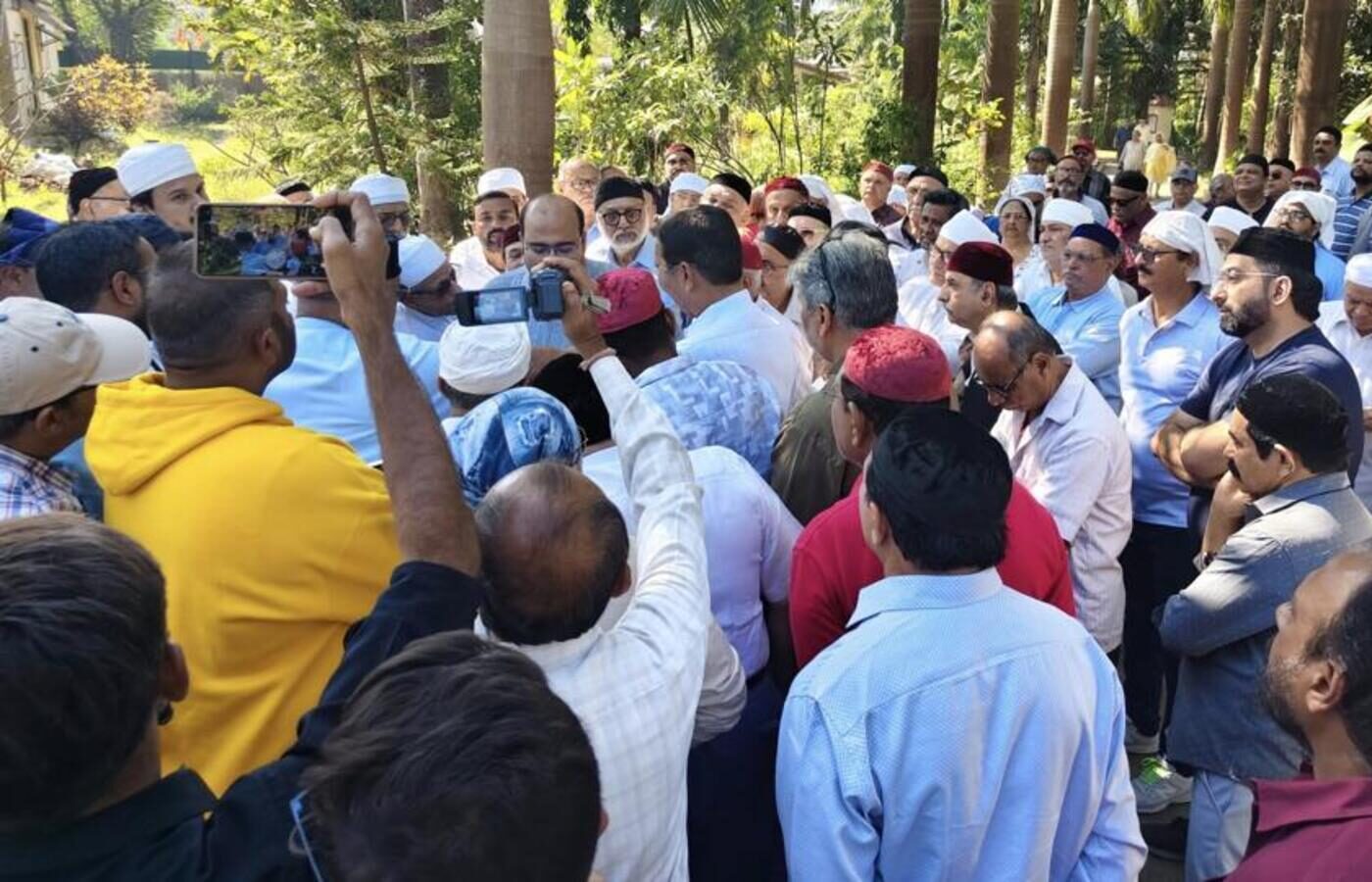
Tensions surfaced after officials conducted a preliminary site visit near the Doongerwadi precinct along the Purna river, reportedly without prior consultation with the community. The visit prompted objections from residents and religious representatives, who emphasised that access to the inner areas of the site is strictly regulated under Zoroastrian customs. A subsequent notice was issued, and survey work resumed, but opposition has since intensified. Community representatives say the road project involves widening the existing corridor into a four-lane highway and constructing an additional bridge parallel to an existing river crossing. While the proposed acquisition is relatively small in scale covering a fraction of the wider estate the land in question contains structures considered religiously significant.
A senior community leader noted that the Parsis have historically cooperated with public infrastructure projects, including earlier road expansions that required surrendering land from the same estate. However, the current proposal, they argue, crosses a threshold by affecting consecrated areas that cannot be relocated or reconstructed without violating religious principles. Urban planning experts say the dispute highlights a recurring challenge in Indian infrastructure delivery: balancing efficiency-driven transport upgrades with the preservation of cultural landscapes. “Linear infrastructure often cuts through layered histories,” said an urban heritage specialist. “Without early consultation, even technically minor acquisitions can escalate into major social conflicts.”
The community has proposed alternative alignments that would bypass the sacred land entirely or significantly reduce the area required. Representatives plan to raise the matter with central authorities, seeking a redesign that respects religious boundaries while still meeting mobility objectives. From a broader urban development perspective, the case underscores the importance of inclusive planning processes particularly in cities where minority institutions form part of the social and cultural fabric. Transport infrastructure is essential for regional economic growth, but experts increasingly stress that projects must also account for social equity, cultural continuity and environmental sensitivity.
As Navsari continues to expand alongside Gujarat’s growing industrial corridor, the outcome of this dispute may set an important precedent. Whether authorities choose technical efficiency alone or adopt a more consultative, adaptive approach could influence how future infrastructure projects engage with heritage space ensuring development progresses without erasing the identities that cities are built upon.
