


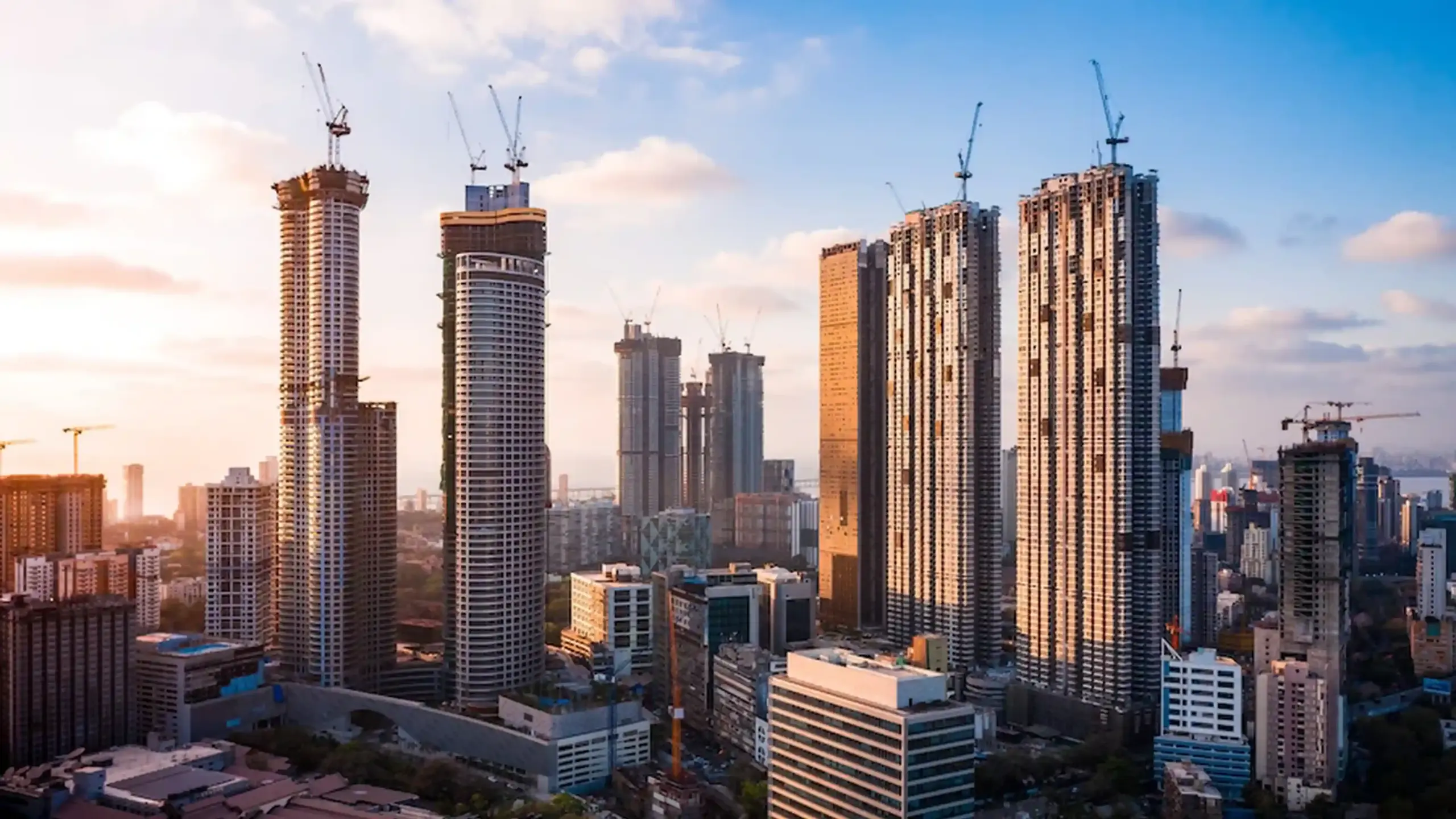
India’s real estate sector is showing renewed confidence for 2026, with a majority of developers signalling strong expectations for the residential segment. Insights from the Developer Sentiment Survey, released during the CREDAI National Conclave by CREDAI-CRE Matrix, indicate that nearly two-thirds of developers anticipate demand growth exceeding 5% in the coming year, driven primarily by end-user needs rather than speculative activity. This marks a continued shift towards sustainable and value-oriented housing across major urban centres.
The survey, conducted between November and December 2025 and involving 647 developers nationwide, also reveals that 76% of participants expect residential property prices to appreciate by more than 10% in 2026. Key metropolitan regions such as the National Capital Region (NCR) and Mumbai Metropolitan Region (MMR) are expected to lead this growth, reflecting ongoing demand, urban premiumisation trends, and strategic location advantages. An industry expert noted that these regions continue to attract both first-time homebuyers and investors seeking long-term capital gains, reinforcing their prominence in India’s urban real estate landscape. Reflecting this optimism, 42% of developers plan to launch new projects exceeding one million sq ft, signalling robust supply-side confidence and alignment with market absorption forecasts. Unsold inventory dynamics also appear favourable: 83% of developers anticipate full absorption of current stocks within the next two years, suggesting sustained buyer interest and the sector’s resilience even amidst cyclical pressures in select markets.
Cost management emerges as another positive factor. Approximately 65% of surveyed developers reported project cost escalations remaining below 10%, aided by GST rationalisation, adoption of advanced construction techniques, and technology-driven efficiencies such as robotics and modular construction. This trend is enabling developers to maintain project feasibility while continuing to scale supply in key urban corridors. Despite global uncertainties, confidence in domestic demand remains high, with 62% of developers indicating minimal impact on their business from external shocks. “The survey highlights a clear shift toward demand-driven growth and disciplined supply addition,” said a senior CREDAI official. “Faster approvals and regulatory clarity will be crucial to unlocking further residential supply, ensuring timely project delivery, and supporting balanced urban development.”
Analysts suggest that these trends collectively point to a maturing residential market that prioritises end-user-centric designs, sustainable practices, and technology integration, laying the groundwork for resilient and inclusive urban housing markets in 2026.
Also Read: Hyderabad HYDRAA Secures 13 Acres Government Land Worth Rs 1300 Crore
India Real Estate Developers Expect Strong Residential Demand And Price Growth 2026
