


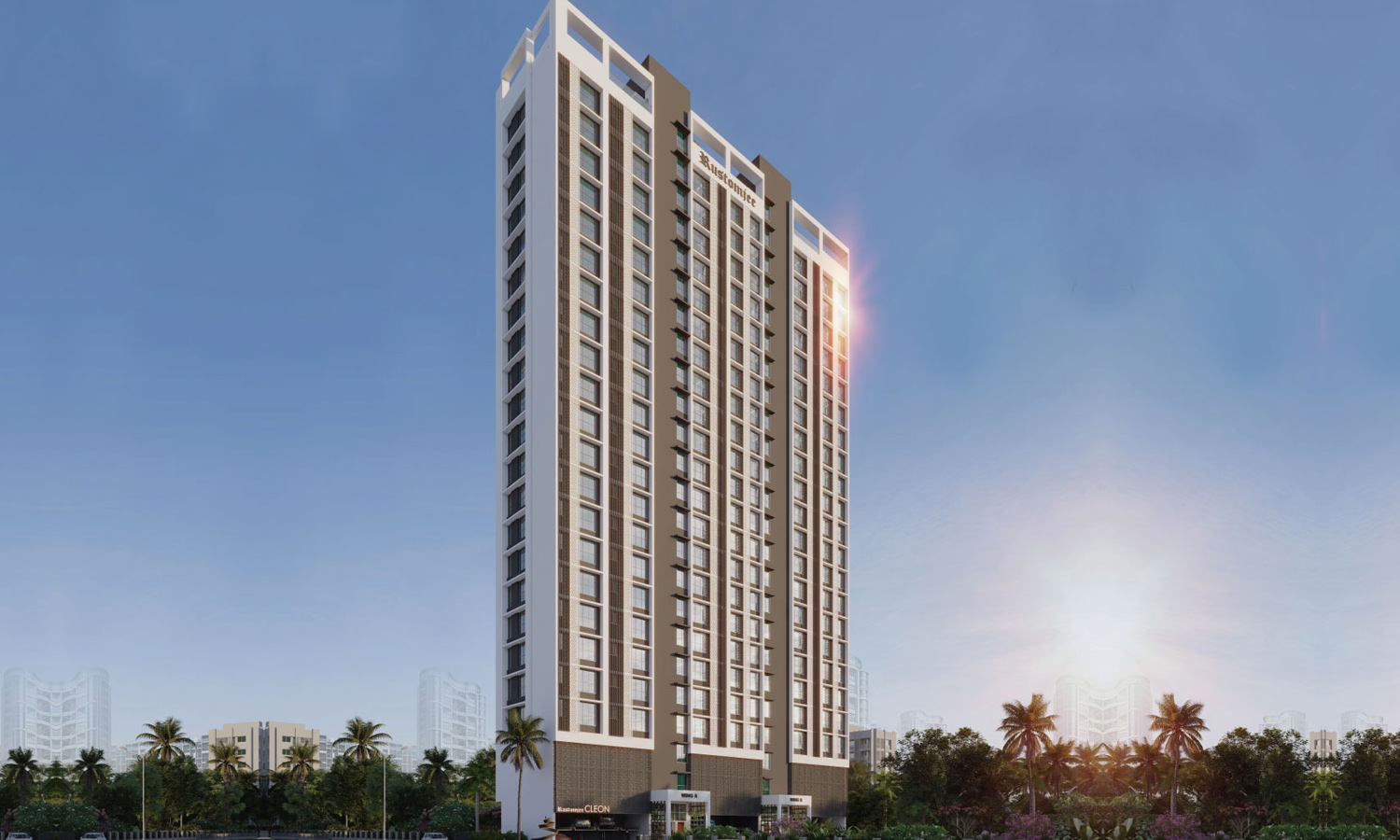
Mumbai’s residential property market is witnessing a decisive shift, with mid-premium homes priced between Rs 1 crore and Rs 5 crore emerging as the sector’s most resilient growth engine. While ultra-luxury developments continue to dominate headlines, transaction data suggests that it is this broad-based premium housing segment that is driving sales volumes, revenue growth, and long-term urban stability across the Mumbai Metropolitan Region.
Official registration figures underline the trend. During the first half of 2025, the city recorded more than 75,000 residential property registrations, marking a modest rise in volumes but a far sharper increase in transaction value. Stamp duty collections climbed at a much faster pace, indicating that buyers are moving up the value curve rather than merely increasing activity. Industry analysts say this reflects growing confidence among financially secure households seeking upgraded homes rather than speculative investments. According to market assessments by global property consultancies, homes priced above Rs 1 crore posted double-digit annual growth in early 2025, outperforming both affordable housing and ultra-luxury categories. Nearly two-thirds of all residential transactions during the period fell within premium price brackets, a substantial increase from the previous year. Notably, an overwhelming majority of homes sold across the metropolitan region remained below the Rs 5 crore mark, reinforcing the centrality of the Rs 1-5 crore segment. Urban planners and housing economists describe this as a structural correction rather than a cyclical spike. “This price band aligns closely with Mumbai’s professional middle and upper-middle income households, including senior executives, entrepreneurs and returning NRIs,” an industry expert said.
“These buyers are driven by end-use needs such as space, connectivity and quality of life, which lends durability to demand.” The rising preference for well-designed two- and three-bedroom homes reflects changing household expectations. Post-pandemic work patterns have increased the need for flexible layouts, access to public transport, and proximity to employment hubs. Developers have responded by focusing on energy-efficient buildings, shared amenities and transit-oriented locations features that support lower per-capita carbon footprints while improving liveability. From an urban development perspective, the expansion of premium housing has wider implications. Unlike ultra-luxury enclaves, mid-premium projects tend to integrate more effectively with surrounding neighbourhoods, supporting local retail, services and public infrastructure. Policy experts argue that this segment plays a critical role in creating inclusive city growth by balancing aspiration with accessibility.
As Mumbai continues to densify, the dominance of the premium housing segment signals a market that is maturing rather than overheating. The city’s real estate revival is being shaped less by trophy homes and more by practical, future-ready housing choices suggesting a path that aligns economic growth with sustainable urban living.
Also Read: Hyderabad Launches India’s Largest Mall Transforming Kukatpally Y Junction Real Estate
Mumbai Premium Housing Emerges As Growth Driver In One To Five Crore
