


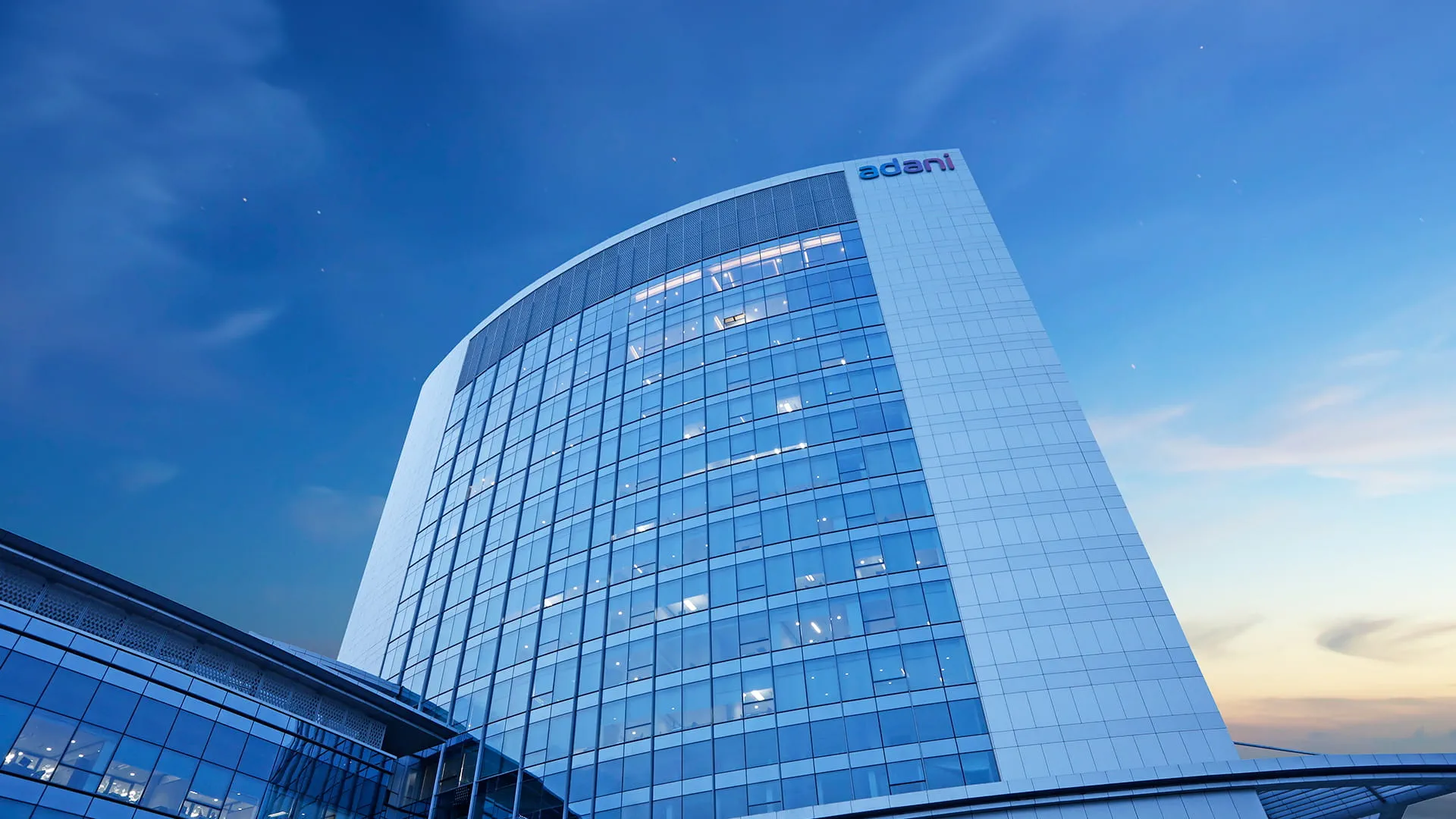
India’s largest infrastructure conglomerate is preparing a decisive entry into the hospitality sector, signalling a strategic shift in how airport-led urban development is being monetised. The Adani Group is planning a nationwide hotel network linked closely to its airports and real estate assets, a move that could reshape competition in India’s hospitality and urban infrastructure markets.
According to people familiar with the group’s plans, more than 60 hotels are expected to be developed across key Indian cities. These properties will be integrated with airports and large mixed-use developments controlled by the group, positioning hospitality as a core pillar of its non-aeronautical revenue strategy. Industry experts say the approach reflects a broader global trend where airports are evolving into commercial districts rather than functioning purely as transport infrastructure. A senior executive involved in the planning said the company sees hotels as long-term urban assets rather than standalone businesses. “Airports generate steady footfall. When combined with offices, retail, events and hotels, they become self-sustaining urban ecosystems,” the executive noted. Navi Mumbai is emerging as the focal point of this expansion. Around 15 hotels are proposed near the upcoming international airport and surrounding real estate developments, underlining the group’s confidence in future demand for business travel, conventions and leisure tourism in the Mumbai metropolitan region. Urban planners view this as a test case for airport-driven city growth, where jobs, services and transit converge within a single district. Rather than operating hotels under its own brand, the group plans to partner with established international hospitality operators. This asset-heavy, operations-light model allows the company to focus on land development, construction and long-term ownership, while global hotel brands manage day-to-day operations and customer engagement. Analysts say this reduces execution risk while accelerating scale.
Hospitality is part of a larger strategy to rebalance airport revenues. At present, aeronautical charges such as landing and parking fees account for a significant share of income. Over time, the group expects non-aeronautical streams including hotels, retail, food services and events to dominate. This shift mirrors international best practices and supports more resilient, diversified infrastructure financing. Large convention and events facilities are also planned alongside airports, creating steady demand for nearby accommodation. Urban economists point out that such integrated developments, if well planned, can reduce travel distances, improve land efficiency and support lower-carbon urban mobility patterns. The expansion may be supported by acquisitions as well. The group has expressed interest in absorbing existing hotel assets through stressed asset resolutions, allowing it to scale quickly while repurposing underutilised properties.
Importantly, the hospitality assets will remain embedded within existing real estate and airport businesses rather than being spun off. Observers say this integrated structure reinforces the idea of airports as inclusive urban anchors places of work, stay and exchange rather than isolated transit points. How sustainably these districts are planned will determine whether they become models for equitable city-building or simply high-end commercial enclaves.
Also Read: Kerala Sanju Samson Luxury Life Rs 6 Crore Home And Metro Properties Across
India Adani Group Eyes Major Hospitality Expansion Linked To Airports And Realty
