


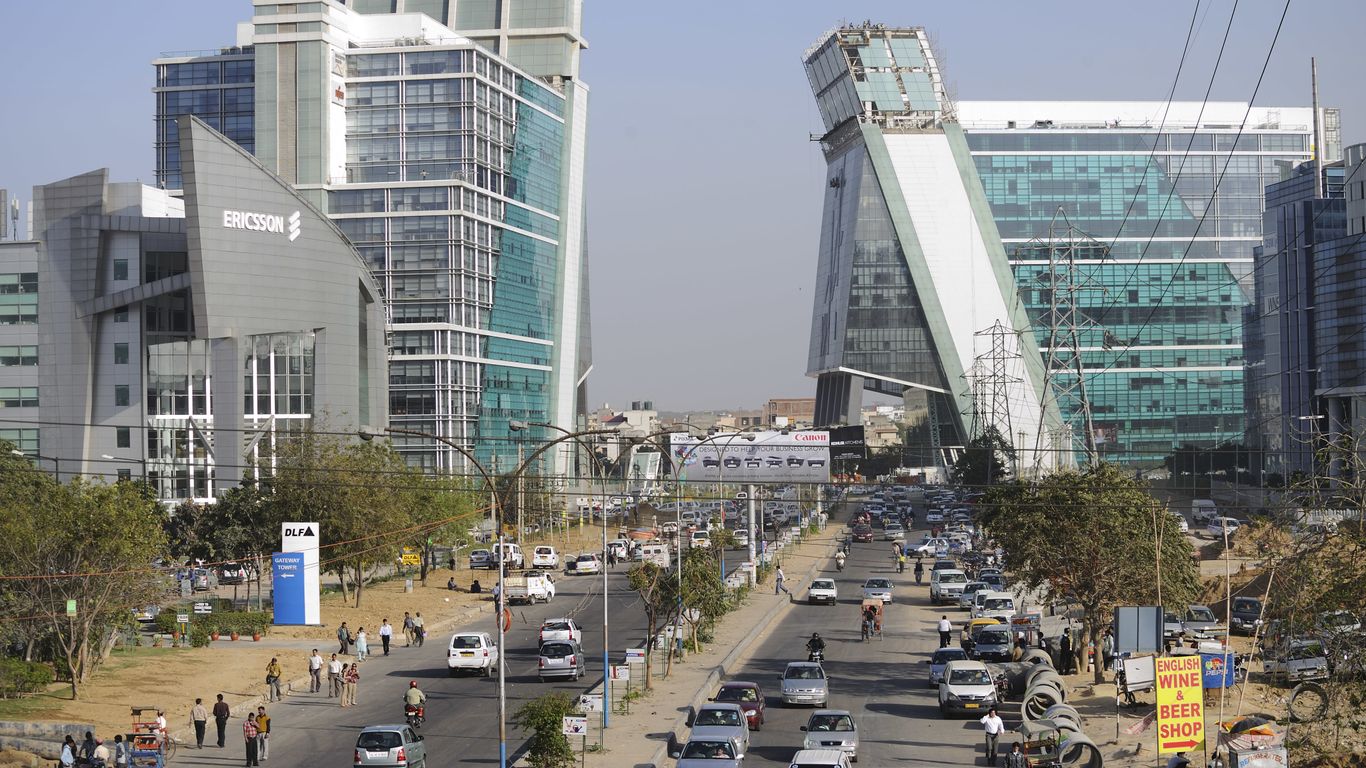
Once a largely agrarian settlement on the edge of the national capital, Gurugram has quietly rewritten its urban destiny. Over four decades, the city has evolved into one of India’s most dynamic real estate and employment centres, drawing global corporations, high-income professionals, and institutional investors. Its rise matters not just for Haryana, but for how Indian cities can transition from fragmented growth to planned urban ecosystems albeit with lessons still unfolding.
The foundations of Gurugram’s growth were laid in the late 1970s, when the state established a formal urban planning authority to guide land use, infrastructure creation, and residential development. At the time, the area lacked reliable roads, power supply, and sanitation systems, making settlement unattractive despite its proximity to Delhi. Early planning interventions changed that trajectory by creating large, contiguous development zones that could absorb private capital at scale. This clarity encouraged leading real estate developers to enter the market, acquiring land for integrated residential and commercial projects. Over time, their developments introduced a new urban form high-rise housing, mixed-use districts, and privately managed infrastructure that contrasted sharply with older Indian city models. An urban planning expert noted that Gurugram became “a test case for market-led city building, where speed often outpaced regulation”. The early 2000s marked a decisive phase. As global technology firms, financial services companies, and multinational back offices expanded in India, Gurugram emerged as a preferred destination. Proximity to the airport, access to Delhi, and flexible commercial real estate attracted employers, while rising incomes generated sustained housing demand. Developers responded with a range of offerings, from mid-income apartments to ultra-luxury residences, positioning the city as a serious rival to Mumbai in the premium housing segment.
However, Gurugram’s rapid ascent also exposed structural stresses. Infrastructure gaps, water scarcity, and uneven public transport connectivity highlighted the cost of growth that leaned heavily on private provisioning. Industry experts argue that the city’s next phase must prioritise integrated mobility, climate-resilient infrastructure, and inclusive housing if it is to remain competitive and liveable. Recent policy moves signal a course correction. Investments in mass transit corridors, green building norms, and decentralised water management are gradually reshaping development priorities. A senior urban official said the emphasis is shifting towards “balancing economic intensity with environmental responsibility and social access”.
As Gurugram matures, its story offers both inspiration and caution. The city demonstrates how planning certainty and private investment can accelerate urban transformation. At the same time, its future success will depend on whether growth can be aligned with sustainability, equity, and long-term resilience principles increasingly central to India’s urban future.
Also Read: Kolkata Sees Sunny Skies Comfortable Temperatures But Severe Air Quality Concerns Linger
Gurugram Redefines Luxury Housing Overtaking Mumbai In India’s Property Market
