


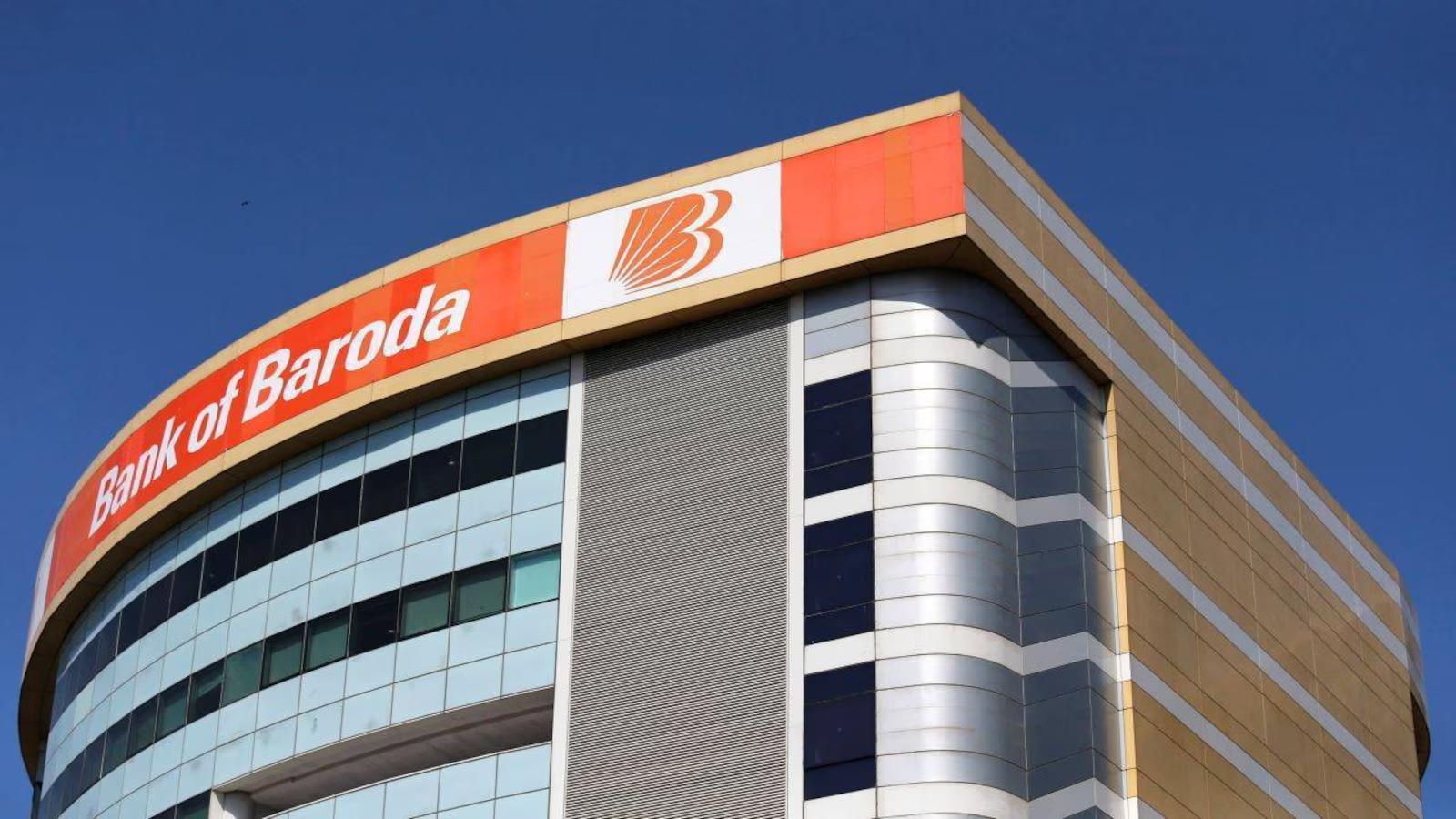
A major public sector lender has signalled a renewed push towards housing finance and real estate collaboration at a key property exhibition in Mumbai, reflecting the growing role of banks in shaping sustainable urban development. At the CREDAI-BANM Property Expo 2025 in Navi Mumbai, Bank of Baroda outlined a strategy centred on customer-focused home loans, digital delivery, and long-term engagement with developers and homebuyers.
Held at the CIDCO Exhibition Centre in Vashi, the event brought together real estate developers, housing finance institutions, and end-users at a time when residential demand remains resilient despite rising land and construction costs. Bank officials said the lender’s participation was aimed at strengthening trust, improving access to credit, and supporting organised real estate growth aligned with modern urban needs. Senior executives from the bank attended the expo, underlining the institution’s intent to expand its mortgage portfolio and deepen its presence in metropolitan housing markets. According to an official familiar with the bank’s strategy, the focus remains on offering transparent pricing, flexible repayment structures, and faster loan processing through digital platforms. “Homebuyers today expect convenience, clarity, and long-term value. Financial institutions must adapt to these expectations,” the official said. The lender showcased a range of housing finance products designed for first-time buyers, salaried professionals, and self-employed customers. Digital onboarding, paperless approvals, and integration with property documentation systems were highlighted as key enablers for improving customer experience and reducing transaction friction. Industry observers noted that such measures are increasingly essential as urban households seek efficient financing without prolonged administrative delays.
Engagement with developers also formed a critical part of the bank’s outreach. Representatives from multiple regional offices interacted with builders to explore funding structures that support timely project delivery and regulatory compliance. Analysts point out that closer coordination between banks and developers can improve cash flow discipline while reducing project delays an issue that has historically affected buyer confidence in Indian cities. The expo participation also reflected a broader shift within public sector banking towards supporting inclusive and sustainable housing growth. As cities expand outward, access to affordable finance remains central to ensuring equitable urbanisation. Improved credit availability, when aligned with responsible development practices, can help reduce speculative pressures while encouraging stable end-user demand. Banking sector experts argue that public lenders have a unique role in balancing commercial objectives with social outcomes. By promoting energy-efficient homes, well-connected neighbourhoods, and transparent lending, financial institutions can indirectly influence the quality of India’s urban future.
As Mumbai and its surrounding regions continue to evolve, sustained collaboration between banks, developers, and civic authorities will be essential. The renewed emphasis on digital housing finance and customer-centric lending suggests that institutional finance is positioning itself as a long-term partner in building resilient, inclusive, and liveable cities.
Also Read: Mumbai Monte South Launches India’s Highest Infinity Pool At 700 Feet
