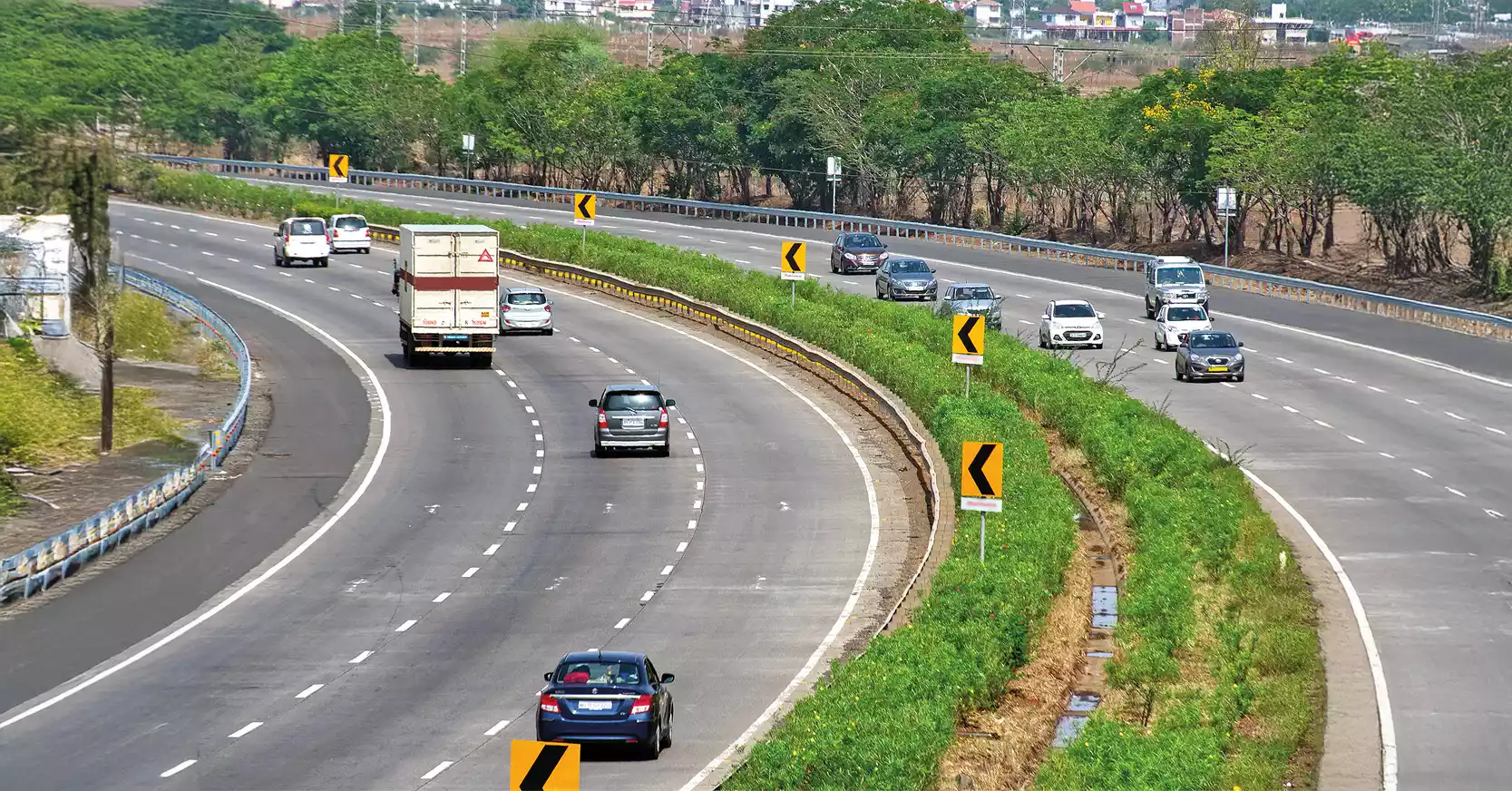
Pune is approaching a decisive moment in its urban mobility journey as a long-delayed double-decker flyover near Savitribai Phule Pune University is scheduled to fully open to traffic in January 2026. Alongside the nearing completion of Metro Line 3, the projects mark a significant intervention in one of the city’s most congested commuter corridors, stretching across Shivajinagar, Aundh, Baner and Pashan.
Urban authorities expect the flyover to address persistent bottlenecks on arterial routes linking the city core with western IT and residential zones. Partial ramps are already operational, offering early relief to motorists travelling between Shivajinagar and Aundh. Remaining connections at Baner and Pashan are progressing toward completion over the next few months, officials involved in the project said. Transport planners view the double-decker structure as more than a traffic solution. Built alongside existing metro infrastructure, the flyover reflects a growing emphasis on layered mobility systems that maximise limited urban space while separating long-haul traffic from local movement. Experts argue that such designs, when paired with public transport, can reduce fuel consumption, travel time and vehicular emissions over the long term.
Parallel to the flyover’s opening, the 23.3-kilometre fully elevated Hinjawadi–Shivajinagar Metro Line 3 is targeted for completion by March 2026. The line will connect major employment hubs with residential districts through 23 stations and integrate with Pune’s operational metro corridors. Authorities have opted for a single-phase inauguration, aiming to deliver immediate network-wide impact rather than staggered benefits.
Industry observers say the synchronised rollout of road and rail infrastructure could reshape commuting behaviour in western Pune, where rapid real estate growth has outpaced transport capacity. “The challenge is not just moving vehicles faster, but enabling people to shift to efficient, shared mobility,” an urban transport expert noted. If complemented by last-mile connectivity and pedestrian-friendly planning, the projects could ease pressure on private vehicle use. Beyond transport, the anticipated approval of the long-pending Mhalunge–Mann development scheme is expected to unlock stalled town planning projects and bring greater coherence to peri-urban growth.
Planners believe coordinated land use and transport planning will be critical to preventing future congestion cycles. While residents remain cautiously optimistic due to past delays, the convergence of flyover access, metro expansion and town planning reforms signals a broader shift toward more inclusive and resilient urban infrastructure. For a city grappling with climate pressures and population growth, Pune’s next phase of mobility will test whether infrastructure investment can truly deliver equitable, low-carbon daily travel.
Pune Double Decker Flyover Opens January 2026 Easing Shivajinagar Aundh Baner Congestion