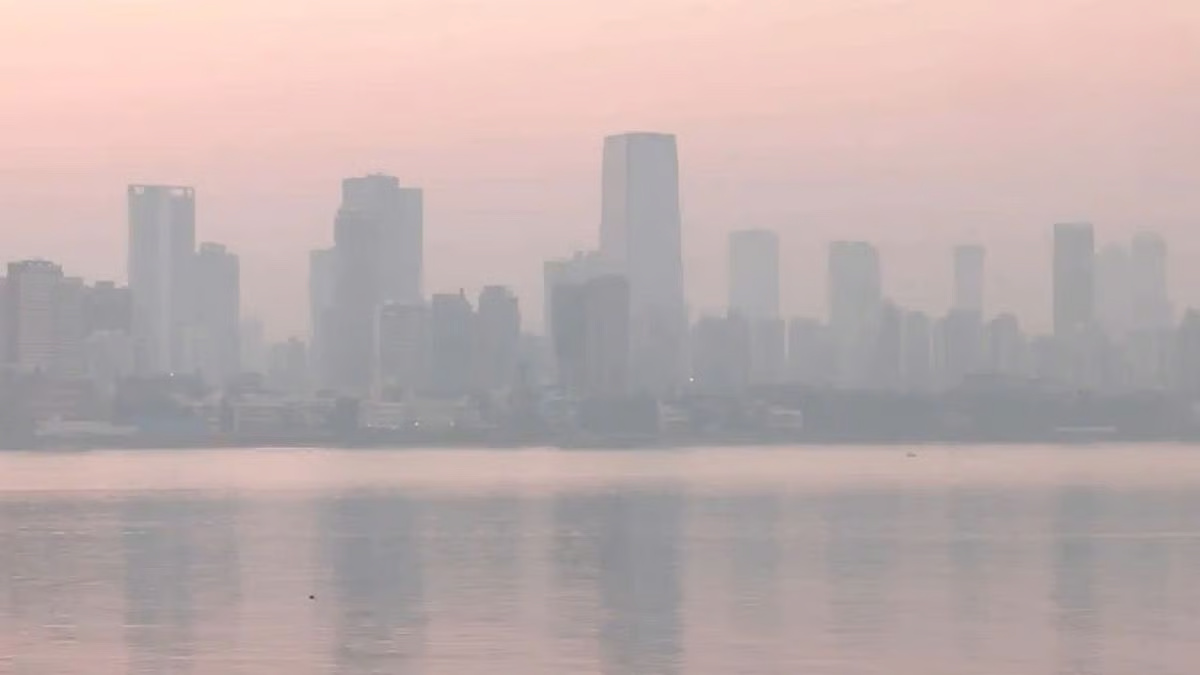
Mumbai began Tuesday with a winter-like chill and calm weather conditions, but the relief was short-lived as haze and smog gradually enveloped large parts of the city. While temperatures dipped to comfortable seasonal lows, deteriorating air quality once again emerged as the dominant concern, underscoring the growing challenge of managing pollution during the city’s winter months.
According to meteorological officials, the day was expected to remain dry and bright, with temperatures ranging between the high teens in the morning and the low thirties by afternoon. Mild winds and stable atmospheric conditions initially offered visual clarity. However, by early morning, residents across several neighbourhoods reported reduced visibility and a lingering smell of pollution, particularly along busy corridors and low-lying areas. Air quality data from independent monitoring platforms showed Mumbai’s overall Air Quality Index hovering in the ‘poor’ category during the morning hours. While this represented an improvement compared to the severe pollution episodes recorded earlier in the season, health experts cautioned that current levels remain unsafe for prolonged outdoor exposure, especially for children, older adults and those with respiratory or heart-related conditions.
Several pollution hotspots continued to raise alarm. Industrial and logistics zones in the eastern suburbs recorded some of the highest AQI readings, crossing into the ‘severe’ and ‘unhealthy’ brackets. Other densely populated residential and commercial districts also reported poor air quality, highlighting how pollution is no longer confined to isolated pockets but has become a city-wide issue. Urban planners and environmental analysts attribute the persistent haze to a combination of factors. Ongoing construction activity linked to metro expansion, road upgrades, coastal infrastructure and large real estate projects continues to generate dust and fine particulate matter. Vehicular emissions during peak commuting hours further exacerbate the problem, particularly under winter conditions when cooler air traps pollutants closer to the ground.
Suburban areas showed relatively better readings, with some locations falling within the ‘moderate’ range. However, experts warn that such fluctuations are temporary and heavily dependent on wind patterns. “Without structural changes in construction practices, traffic management and emissions control, winter pollution will remain a recurring challenge,” said an urban environment specialist. As Mumbai pushes forward with major infrastructure upgrades to support growth and mobility, specialists stress the need to integrate stronger air quality safeguards into project execution. Measures such as stricter dust control norms, real-time pollution monitoring and cleaner transport alternatives could help mitigate seasonal spikes.
With winter expected to intensify over the coming weeks, public health professionals advise residents to limit outdoor exertion during early mornings, use protective masks where necessary and stay informed through local air quality updates. For the city, the haze-filled morning served as another reminder that sustainable urban development must go hand in hand with cleaner air and healthier living conditions.
Mumbai Wakes To Hazy Skies With Winter Chill As Air Quality Remains Poor