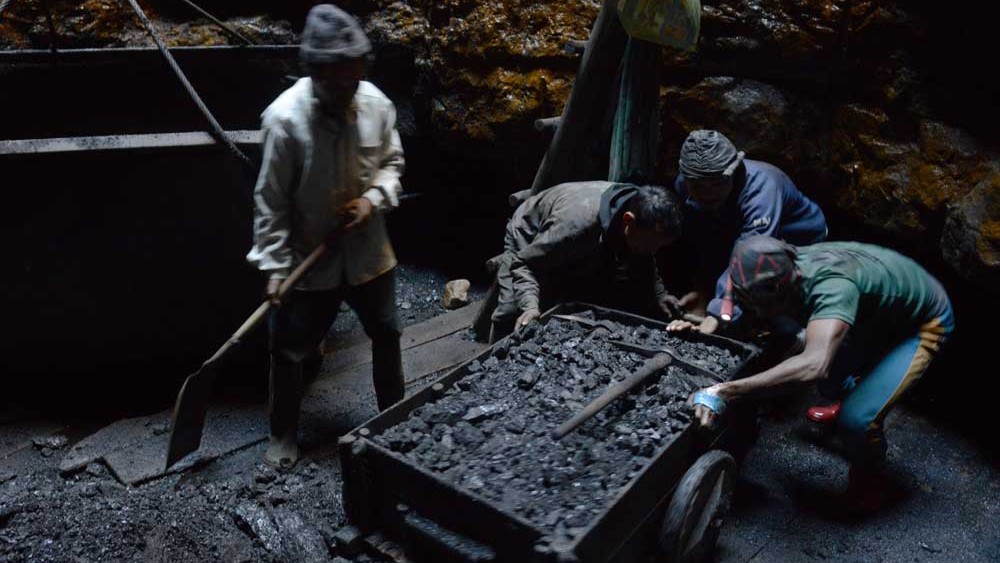
The Union Cabinet has approved the CoalSETU window, allowing domestic coal linkages to be auctioned for any industrial use and exports for the first time without end-use restrictions. The move aims to expand access for industries, improve utilisation of domestic coal reserves, and reduce reliance on imports, while offering greater flexibility for long-term buyers.
Under the CoalSETU mechanism, all domestic coal consumers—excluding traders—can participate in long-term linkage auctions, while coking coal remains outside the scheme. Existing Non-Regulated Sector (NRS) sub-sectors, including cement, steel, sponge iron, and aluminium, can continue participating in their traditional auction structures but are also eligible to bid through the new window, widening options for industrial stakeholders.Coal obtained under this framework can be used for self-consumption, coal washing, or exports, although resale within India is prohibited. Exporters are allowed to ship up to 50 per cent of their allocated coal, offering a controlled mechanism to balance domestic availability with international market opportunities. An official said the policy provides industries with greater flexibility in managing their coal supplies and operational requirements.
The inclusion of washery operators as eligible participants is a notable development, expected to increase domestic availability of washed coal while reducing import dependence. Washed coal produced under CoalSETU may also be exported, potentially creating additional revenue streams for industries while supporting cleaner, higher-quality coal usage domestically.The new window reflects a broader liberalisation of India’s coal sector, building on the 2016 NRS linkage policy, which limited coal allocation to specific end-users. Industry experts note that removing end-use constraints aligns with evolving market conditions and the government’s push to optimise domestic coal reserves amid growing industrial demand. The auction-based approach also incentivises more efficient resource allocation and could stimulate investment in energy-intensive sectors crucial to economic growth.
While the policy opens new avenues, analysts caution that careful monitoring of domestic supply is essential to prevent shortages, particularly in sectors dependent on high-volume coal consumption. Observers highlight that the move may also accelerate adoption of sustainable coal practices, such as increased washing and efficient combustion, which can support India’s longer-term climate and energy security objectives.By creating the CoalSETU window, India is effectively introducing a flexible, market-driven approach to coal allocation that balances domestic consumption, export potential, and industrial growth. The reforms aim not only to streamline supply but also to lay the groundwork for cleaner and more sustainable coal use, signalling a step towards a more resilient and future-ready energy and industrial landscape.