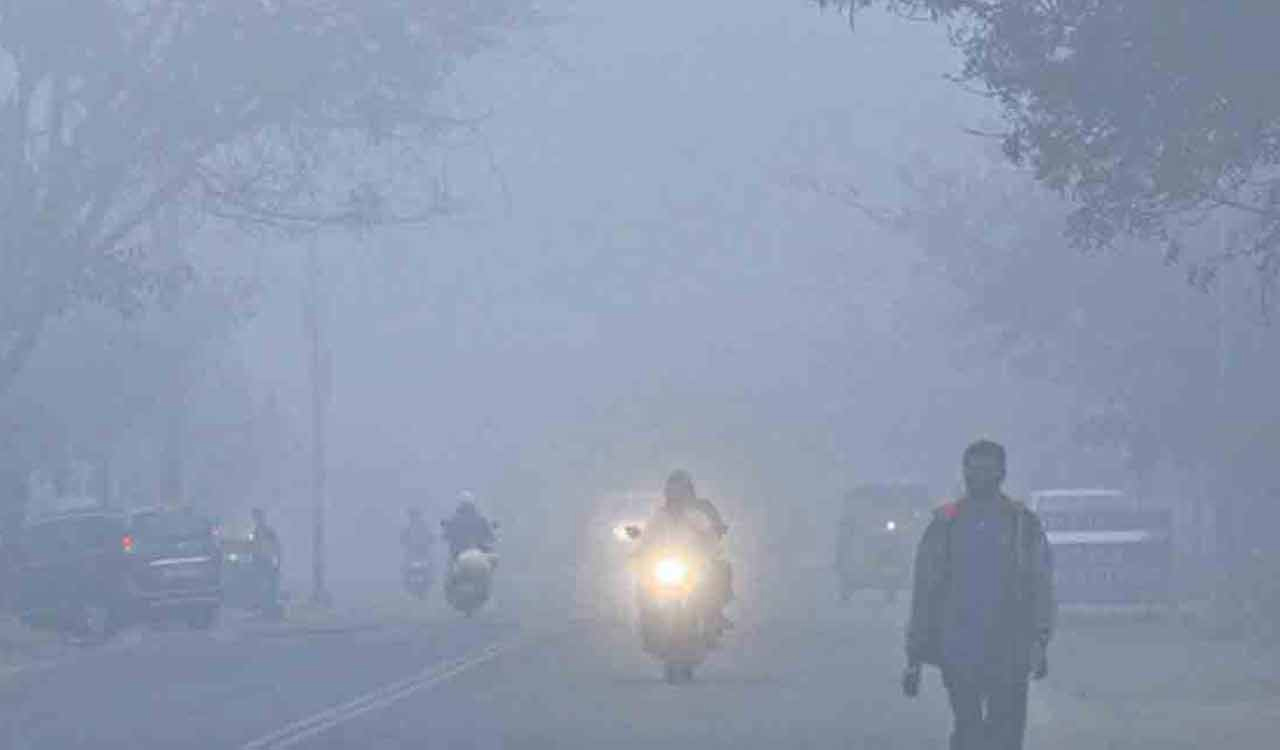
Hyderabad recorded its coldest morning in seven years on Friday, 12 December 2025, with temperatures dipping across multiple parts of the city. Weather observers reported that the University of Hyderabad area registered the lowest temperature at 6.3 degrees Celsius, while Moula Ali and Rajendra Nagar recorded 7.3 degrees and 7.7 degrees Celsius, respectively. Several other localities, including Shivrampalli, Alwal, and Gachibowli, experienced temperatures in the single digits, signalling a significant deviation from typical December conditions.
According to the India Meteorological Department (IMD), the city is likely to witness hazy conditions in the mornings followed by clear blue skies during the afternoons. The IMD forecast suggests that temperatures may remain 3–4 degrees below average on 13 and 14 December, with daytime highs expected to reach around 30 degrees Celsius and night-time lows near 12 degrees Celsius.
Urban climate experts highlight that Hyderabad’s low temperatures are influenced by a combination of clear skies, calm winds, and nocturnal radiative cooling. “Urban microclimates can amplify cold conditions in specific localities, especially in areas with open spaces or lower built-up density,” an official noted. The patterns observed in Hyderabad are consistent with broader regional winter trends in the Deccan plateau, where cities frequently experience significant night-time cooling during early December.
The unusually low temperatures have implications for urban management and citizen well-being. Public health authorities recommend precautionary measures for vulnerable populations, including the elderly and children, who are more susceptible to cold-related illnesses. Residents are advised to layer clothing, maintain warm indoor environments, and limit exposure during the early morning hours. From an urban planning perspective, the cold spell underscores the importance of integrating weather resilience into city design. Green spaces, water bodies, and building orientation can influence local temperature patterns, while energy-efficient heating solutions in residential and institutional buildings can mitigate discomfort during extreme cold spells.
“Understanding these microclimate dynamics is crucial for sustainable urban development and climate-resilient infrastructure,” an urban climate researcher said. As Hyderabad experiences this cold wave, the event serves as a reminder for city authorities and residents alike to consider the interplay between urban density, natural landscapes, and seasonal climate variations. Preparedness, informed planning, and community awareness remain key to ensuring that low-temperature events are managed safely and sustainably.
Hyderabad Records Coldest Morning In Seven Years With Temperatures Dropping Single Digits