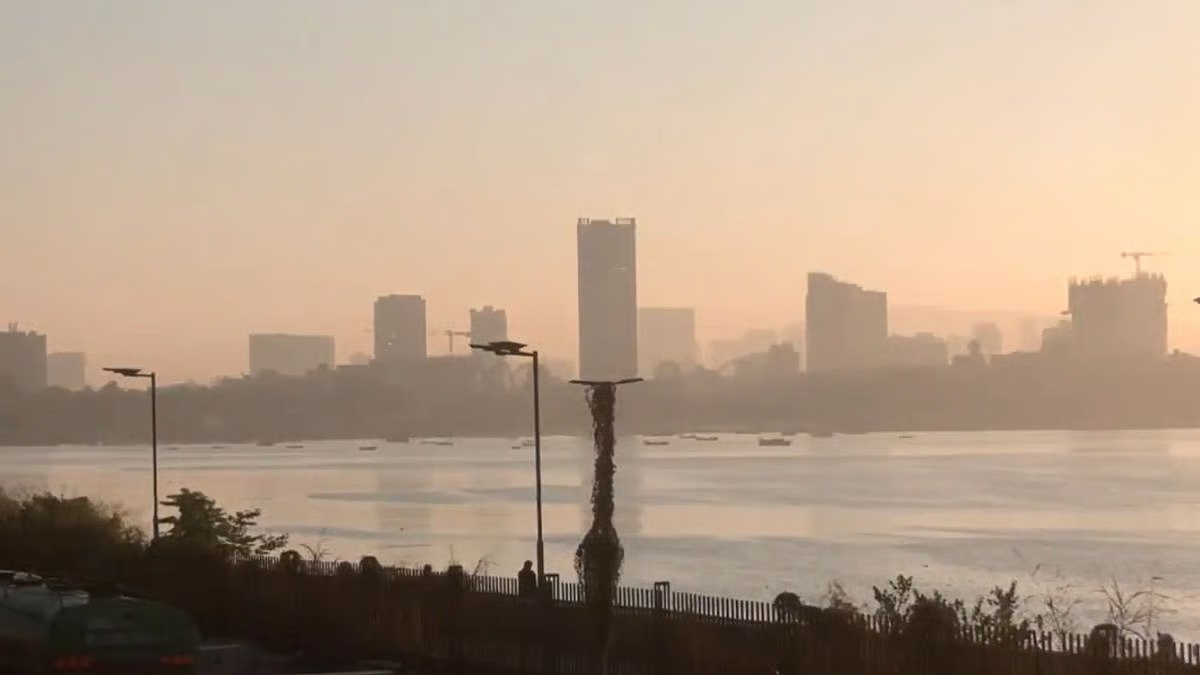
Mumbai began Thursday with a crisp winter morning, bringing temporary relief to residents as temperatures ranged from a minimum of 15°C to a maximum of 32°C. Clear skies and cool winds offered a pleasant start, yet the city’s air quality continued to pose a significant challenge. The latest Air Quality Index (AQI) data recorded levels at 148 early Friday, categorised as ‘poor’, highlighting persistent environmental pressures in the metropolitan region.
Environmental experts attribute Mumbai’s sustained pollution to ongoing urban expansion and infrastructure development. Large-scale projects, including metro corridors, coastal roads, bridges, and road widening, have intensified dust and particulate matter in the atmosphere. Private construction activities further add to the airborne pollutant load, compounding health risks for vulnerable populations such as children, the elderly, and individuals with respiratory conditions. The AQI readings across city districts reveal substantial disparities. Wadala Truck Terminal registered the highest value at 305, placing it in the ‘severe’ category, while Mulund West recorded 207, categorised as ‘unhealthy’. Other zones including Deonar (200) and Bhandup (187) also reflected poor conditions, with Govandi and Chembur at 187 and 183 respectively. These readings indicate that heavy traffic corridors and industrial hubs remain critical hotspots for particulate accumulation.
In contrast, certain suburban areas showed slightly improved conditions. Parel–Bhoiwada and Kandivali East reported moderate AQI levels of 73, while Jogeshwari East recorded 95. Charkop (107) and Malad West (117) remained within the poor range, demonstrating that urban planning and traffic flow interventions could play a role in mitigating localized pollution. Officials emphasised that despite the cold winter weather, structural and regulatory measures are needed to address long-term air quality concerns. Strategies include reducing dust from construction sites, regulating vehicular emissions, and enhancing green cover across the city. Industry experts suggest that incorporating sustainable urban practices, such as pedestrianisation, cleaner public transport options, and eco-friendly building norms, could help cities like Mumbai align with zero-carbon and net-zero emissions goals.
As residents enjoy the seasonal respite, the ongoing haze serves as a reminder that urban growth must be managed alongside environmental safeguards. Ensuring cleaner air is integral not only for public health but also for creating sustainable, inclusive, and resilient urban environments across India’s largest metropolitan hubs.
Mumbai Wakes Up To Cold Morning Haze Air Quality Remains Poor