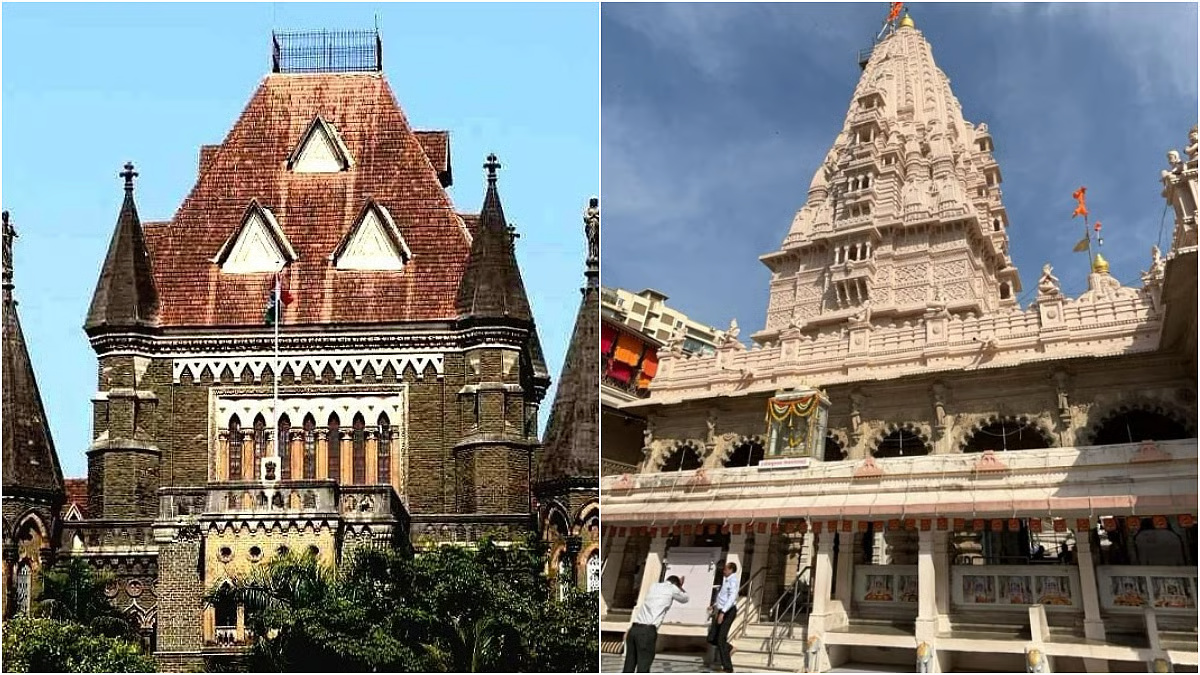
The Maharashtra government has approved a 30-year renewal of the lease for land within the Babulnath Temple complex, allowing the historic shrine uninterrupted access for devotees while imposing a token rent of just ₹1. The decision, finalised during the state cabinet meeting on Thursday, also waived pending rent arrears amounting to ₹34.57 lakh, resolving a decade-old bureaucratic delay and securing long-term operational continuity for one of Mumbai’s oldest religious landmarks.
The temple, situated on a 5,677 sq m plot in south Mumbai, has 718 sq m under lease to the Babulnath Temple Charity Trust since 1901. The renewal, which had been due since 2012, was delayed amid administrative bottlenecks. An official noted that the land functions primarily as an access route for devotees, and charging commercial rent was considered inappropriate given the site’s religious purpose and public service role. The cabinet’s approval included a waiver of rent for the period between January 2012 and December 2021, following a formal appeal by the temple trust. Trustees argued that the land was not commercially exploited and that the pending rent demand placed an undue burden on a charitable institution serving the community. The government accepted this reasoning, recognising the temple’s longstanding contribution to public welfare.
A senior urban planner observed that the decision underscores the importance of aligning land-use policies with the functional realities of heritage and religious institutions. Maintaining continuity of access while preventing financial strain on civic trusts helps preserve historic urban assets and ensures that cultural landmarks remain integrated into the city’s social and spatial fabric. The temple trust had also requested consideration of converting the leased land into freehold ownership. However, officials clarified that freehold conversion is restricted to plots designated for residential, commercial, or industrial purposes, and land used for religious activities does not qualify. While the proposal is unlikely to be approved, the 30-year lease offers legal certainty and operational stability for the trust and its activities.
Industry experts highlighted that clear, long-term lease arrangements for historic urban institutions can enhance civic planning outcomes. By reducing administrative uncertainty, the city can better integrate heritage sites into broader sustainable urban development plans, including pedestrian access, heritage tourism, and community engagement initiatives. For devotees, the lease renewal ensures continued access to the sacred shrine without disruption. The decision also reflects a broader approach to city management, where governance frameworks balance regulatory oversight, heritage conservation, and public benefit.
Maharashtra Govt Approves Babulnath Temples Lease Thirty Years At Just Rs 1