Chennai Ramsar Zone Decision Shifts To Centre
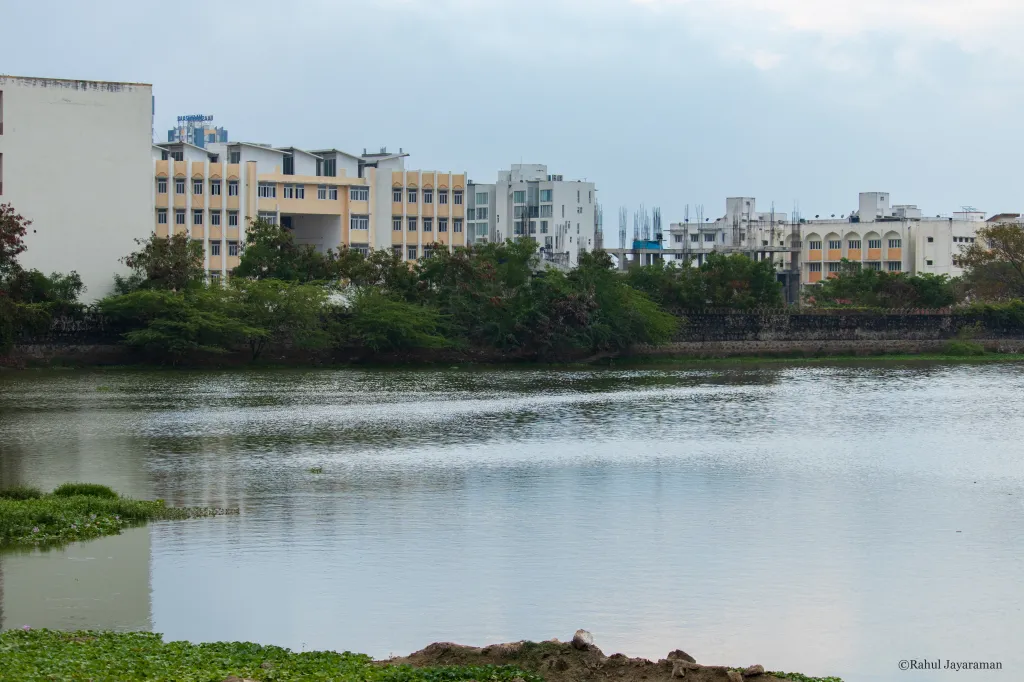
Chennai’s long-running dispute over development around the Pallikaranai marshland entered a new phase on Thursday, with the Tamil Nadu government informing the Madras High Court that the final determination of the Ramsar site’s “zone of influence” will rest with a central coastal research agency. The decision is expected to shape how future urban expansion proceeds around one of the city’s most ecologically fragile landscapes, underscoring the need for development plans that remain sensitive to climate resilience and wetland protection.
According to the state’s Advocate General, the National Centre for Sustainable Coastal Management (NCSCM) will be responsible for fixing the boundaries of the influence zone after the completion of several procedural steps. He stated that field validation of the marshland area — a process often used to verify satellite-based assessments has already been completed and forwarded to the Chengalpet district administration. Once an authentication report is prepared locally and later placed before the Supreme Court, the NCSCM will take a final call on the permissible extent of the zone.
A division bench, led by the Chief Justice, noted that disputes over development rights had emerged only after a large construction proposal drew public attention. The court questioned the implications for projects that have already commenced, signalling judicial concern about the lack of clarity surrounding wetland buffer norms. Government representatives responded that any work outside the future zone of influence could continue, but activity within it may face restrictions, depending on what the central agency concludes. The bench also sought an explanation on how multiple state departments had approved the project when questions about the marshland’s extended ecological footprint had already surfaced. Representatives of the State Wetland Authority argued that applying an arbitrary one-kilometre buffer zone, as suggested in some petitions, would effectively freeze development along major corridors such as Old Mahabalipuram Road and Sholinganallur areas that form the backbone of Chennai’s current IT-driven growth.
Urban planners say the dispute highlights the deeper challenge of balancing rapid real estate expansion with the protection of natural assets that serve as flood sinks and biodiversity reserves. The Pallikaranai marsh, one of India’s few urban Ramsar sites, plays a vital role in moderating monsoon run-off in a city increasingly vulnerable to extreme rain events. Experts note that transparent zoning rules, rather than ad-hoc decisions, are essential for both investor confidence and environmental safeguarding. With the Supreme Court scheduled to hear the broader matter in January, the High Court has deferred further proceedings. For residents and developers alike, the eventual delineation of the Ramsar influence zone may set a precedent for how Indian cities integrate ecological sensitivity into urban growth strategies — a shift increasingly important as metros strive towards more inclusive, climate-aligned development models.
Chennai Ramsar Zone Decision Shifts To Centre