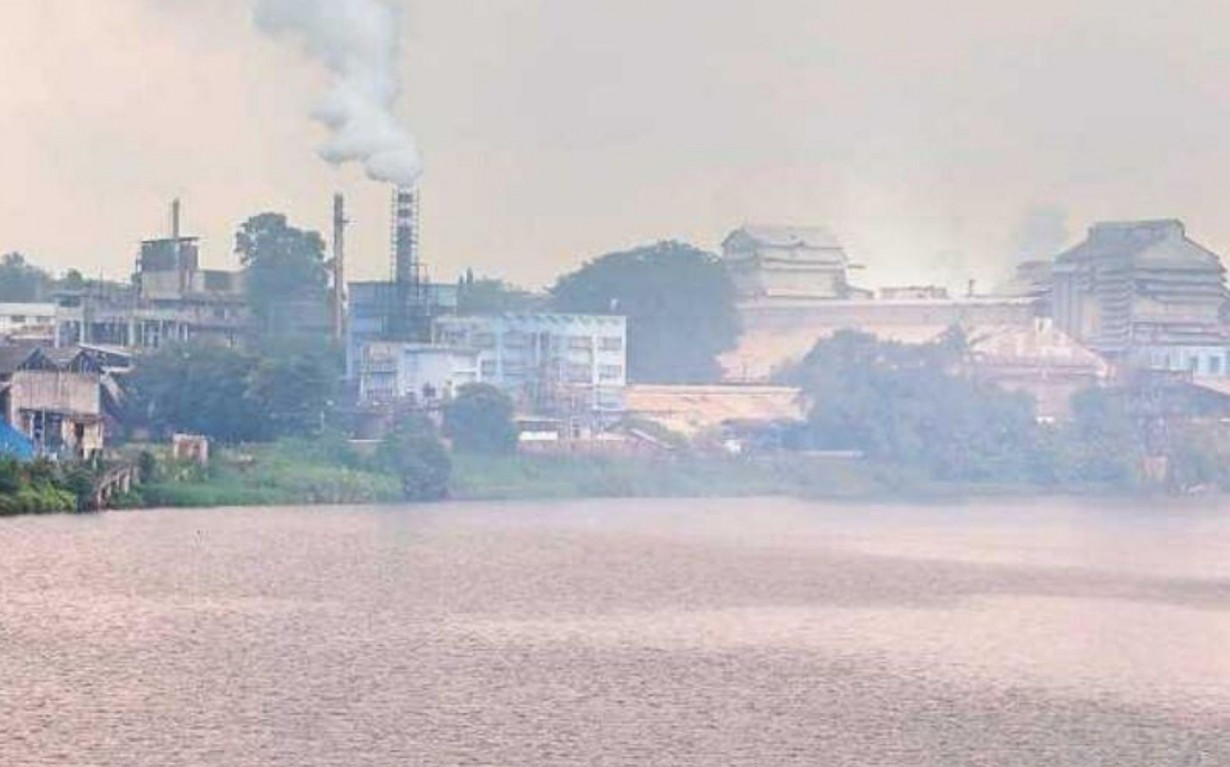
Kochi Voices Alarm Over Worsening Smog
Kochi’s deteriorating air quality has triggered an urgent call for central intervention, with a parliamentary appeal underscoring the city’s rapid slide into severe pollution levels during the winter months. The concern, raised in the Lok Sabha, warns that the coastal metropolis is edging closer to the chronic, health-threatening conditions long associated with northern Indian cities.
Speaking under Rule 377, a Member of Parliament representing Ernakulam emphasised that Kochi is facing an “escalating public health challenge” as particulate matter concentrations continue to breach national safety thresholds. The MP urged the Union government to undertake a scientific assessment of the city’s pollution sources and to introduce time-bound measures aimed at reversing the trend. The appeal also called for a multidisciplinary task force and targeted funding to manage emissions, restore green cover and introduce long-term safeguards. According to the parliamentary submission, the city’s Air Quality Index has increasingly hovered in the “Unhealthy” band in recent weeks, with winter conditions intensifying smog levels due to stagnant air, dry weather and an absence of rainfall. On one of the worst days recorded this season, the AQI touched 284 well above levels considered safe for prolonged exposure. Monitoring stations reported PM2.5 concentrations above 120 µg/m³, and PM10 nearing 150 µg/m³, indicating the presence of fine pollutants that easily penetrate the lungs and bloodstream.
Officials’ familiar with air quality monitoring attribute this surge to a combination of industrial emissions from clusters such as Eloor, dust generated from uncontrolled construction, and an expanding vehicle fleet. Experts in urban planning note that the systematic thinning of tree cover particularly in fast-growing commercial corridors has undermined the natural filtering of pollutants and weakened resilience to seasonal smog. Industry observers say Kochi’s experience mirrors the trajectory of several Indian cities where rapid construction, rising energy demand, and limited enforcement of environmental rules have collectively strained urban ecosystems. They point out that cities with stronger emphasis on zero-carbon development such as promoting public transport, regulating construction sites and introducing green buffers have managed to prevent similar spikes. The MP’s submission argued that Kochi cannot afford a passive approach, given the implications for public health, worker productivity and long-term economic competitiveness. The proposal for dedicated reforestation drives and stricter industrial monitoring aligns with broader national conversations on making urban growth compatible with climate resilience and inclusive city living.
While the Centre has yet to respond formally, senior policymakers indicate that Kerala’s pollution data will likely shape ongoing revisions to urban environmental guidelines. If implemented effectively, targeted interventions could help Kochi strengthen its urban health systems, expand green infrastructure and set a precedent for coastal cities navigating rapid urbanisation and rising emissions. For residents, the hope is that immediate corrective action combined with sustained, equitable urban planning will prevent the city from slipping into a chronic pollution cycle and instead steer it toward a cleaner, more resilient future.
Kochi Voices Alarm Over Worsening Smog