

Lucknow Push For Detention Sites Hits Confusion

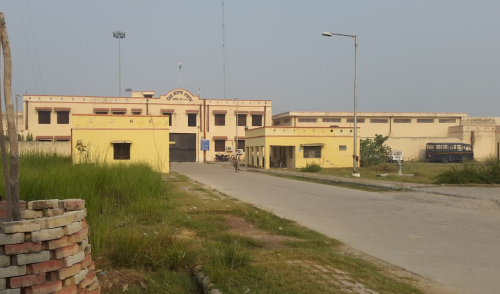
Conversations across the police, municipal administration and divisional offices suggest that informal discussions have taken place in recent weeks about identifying potential sites for temporary holding facilities for undocumented migrants. However, when asked to confirm the status of these preparations, each department redirected queries to another. A senior police official insisted that “the civic body has the mandate to identify spaces,” while a municipal representative countered that no instructions had been issued by the divisional administration. A senior bureaucrat in the latter office, meanwhile, maintained that “the government has not circulated any formal order”.
Experts in urban administration note that such ambiguity often emerges when politically sensitive subjects collide with institutional silos. “When roles are undefined, departments default to risk-avoidance,” said a public policy researcher. “This leads to paralysis at precisely the moment when clarity is most needed.” For a city like Lucknow striving to position itself as a sustainable and inclusive urban hub the uncertainty poses additional questions. Establishing detention infrastructure, even temporarily, affects land use, access to basic services and the rights of vulnerable communities. Urban planners stress that decisions involving sensitive populations require transparent processes, social impact assessments and clear lines of accountability to avoid arbitrary outcomes.
“Any infrastructure must be planned with equity and safety in mind,” said an urban development advocate. “Ad hoc processes risk undermining trust between citizens and institutions.” Beyond the immediate issue, the episode highlights the need for strengthened inter-departmental coordination mechanisms, particularly as Indian cities navigate complex demographic and environmental pressures. Confusion around mandates whether intentional or inadvertent can derail long-term planning goals, including commitments to humane governance and sustainable urban futures.

RELATED ARTICLES