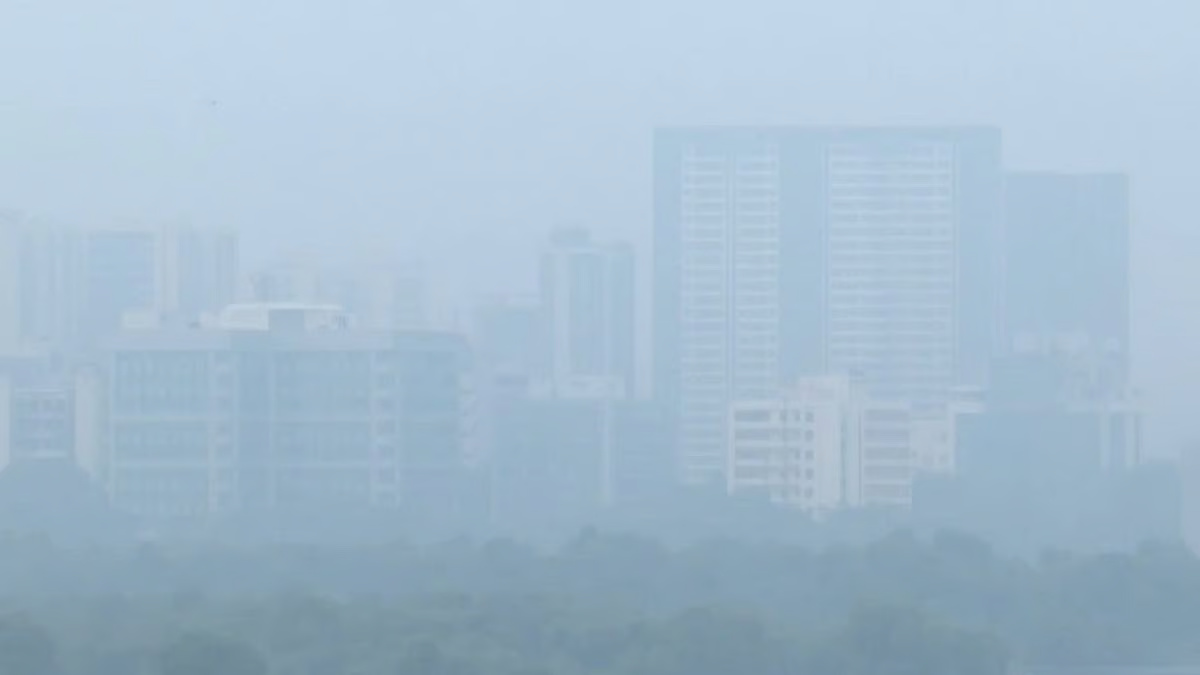
Mumbai awoke on Thursday, December 11, 2025, to a crisp winter morning with clear skies and light winds, offering residents a brief respite from the city’s usual warmth and humidity. While the weather was pleasant, a thin veil of haze lingered across the skyline, highlighting the persistent air quality challenges confronting India’s financial capital. Early morning readings placed the city’s Air Quality Index (AQI) at 144, categorised as ‘poor’, indicating potential health risks for sensitive populations.
The India Meteorological Department (IMD) forecast mild temperatures for the day, ranging from a minimum of 15°C to a maximum of 32°C. The calm conditions belied the ongoing environmental concerns, with urban dust, construction activity, and emissions from transport contributing to elevated particulate matter levels. “While the winter air feels refreshing, underlying pollution remains a serious issue for city dwellers,” an environmental analyst said, noting the cumulative impact of rapid infrastructure projects across Mumbai. Pollution hotspots were scattered across several city wards. Wadala registered the highest AQI at 368, falling into the ‘severe’ category, posing immediate health risks even for healthy individuals. Other high-traffic and residential areas such as Deonar and Bandra recorded AQI levels of 197 and 187 respectively, both classified as ‘poor’. Central business hubs including Worli and Chembur also faced significant air quality concerns, with readings of 180 and 177. These figures underscore the ongoing challenge of balancing rapid urban growth with environmental sustainability.
Suburban regions experienced comparatively cleaner air but still registered moderate pollution. Areas like Govandi (63), Kandivali East (67), and Charkop (85) fell within the ‘moderate’ AQI range, indicating acceptable air quality but persistent pollutants. Similarly, Powai (123) and Juhu (127) remained in the moderate bracket, reflecting the pervasive nature of particulate matter across both commercial and residential zones. Industry experts highlighted that Mumbai’s burgeoning infrastructure, including metro expansions, road widening projects, and construction, continues to elevate dust and fine particulate levels. “Targeted urban planning and increased green cover are critical to mitigating air pollution while sustaining city development,” a senior urban planner noted. Reduced stops and traffic management, along with stricter construction dust control, could help curb AQI spikes during winter months.
As Mumbai navigates its winter season, residents are advised to monitor local AQI updates, particularly in high-risk areas, and take necessary precautions such as limiting outdoor activities during peak pollution hours. Long-term solutions will require integrated urban planning, increased green spaces, and sustainable transport initiatives to safeguard public health while supporting the city’s growth.
Mumbai Wakes Up To Chill Morning Haze Skies AQI Stays Poor