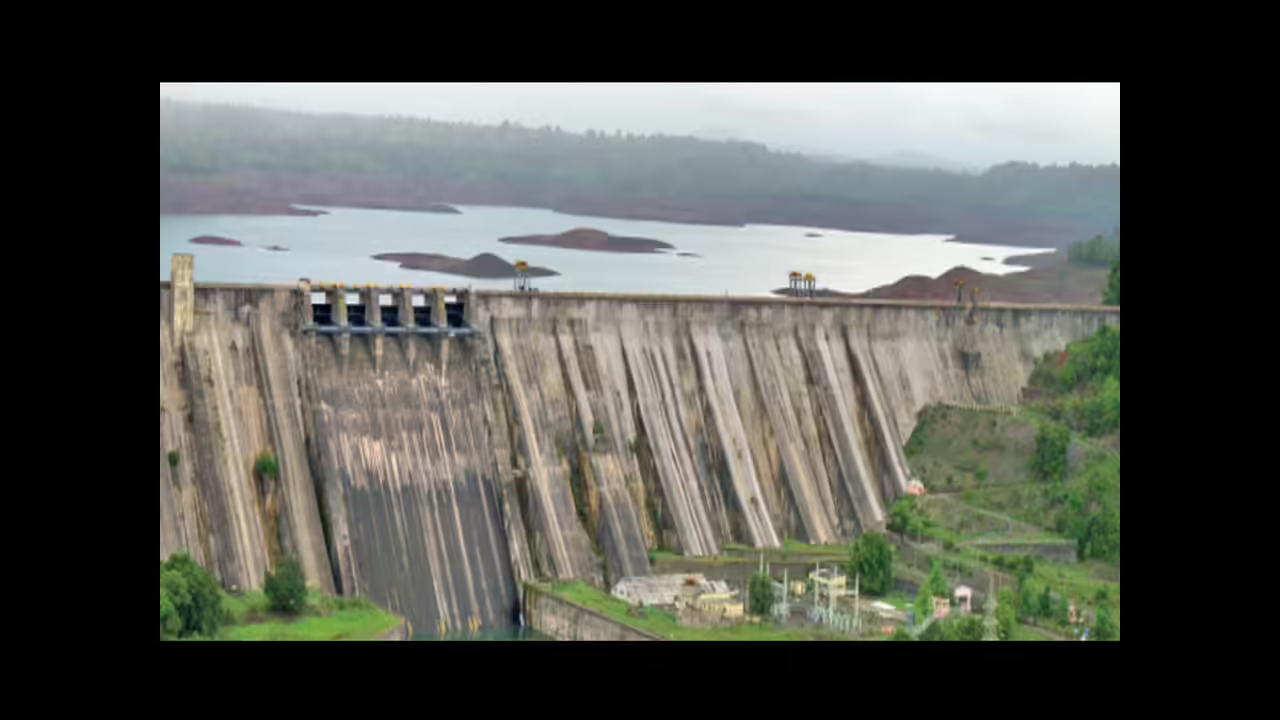
Mumbai is accelerating a series of long-pending water infrastructure projects as rising consumption outpaces available supply, prompting fresh urgency within the Brihanmumbai Municipal Corporation (BMC) to secure new sources for the city’s growing population. Recent updates shared in the state legislature indicate that the administration has stepped up work on three major dam projects—Gargai, Pinjal, and the Daman Ganga–Pinjal river-linking initiative—alongside alternative water-generation measures aimed at easing long-term pressure on the city’s stressed reservoirs.
Officials said Mumbai currently receives around 3,800 million litres per day (MLD) against a projected requirement of 4,500 to 4,800 MLD. This widening gap, driven largely by rapid residential expansion and infrastructure-led urbanisation, has strengthened the case for diversifying supply and building climate-resilient systems to support a denser, more vertical city. According to the urban development department, the Gargai project—envisaged as a major new storage asset for the Mumbai Metropolitan Region—is in the advanced phase of engineering design, with tender documentation underway. The project is expected to play a critical role in enhancing long-term water reliability, particularly for eastern and northern suburbs experiencing sustained construction activity.
Preliminary engineering work is also in progress for the Pinjal dam, which forms part of a multi-stage augmentation plan intended to strengthen Mumbai’s dependence on surface water sources. Officials said environmental impact assessment procedures have received primary approvals, and preparation of the detailed project report is ongoing. Once commissioned, the project is expected to significantly expand the city’s raw water capacity. The inter-state Daman Ganga–Pinjal River Linking Project, which has been under discussion for several years, is also moving through central-level approvals. Urban planners note that while such projects are complex and require multi-agency cooperation, they are essential for metropolitan regions that rely on shared catchments and require integrated watershed planning to mitigate climate risks.
To complement dam-based expansion, the BMC is also pursuing non-conventional water supply solutions. A seawater desalination plant—with an initial 200 MLD capacity, expandable to 400 MLD—is being implemented in Colaba, marking a shift towards alternative water technologies increasingly adopted by global coastal cities. Alongside this, a tertiary-treatment purification system of 12 MLD is under development to improve recycled water output for non-potable uses, which experts say can reduce pressure on freshwater sources and promote more sustainable consumption patterns. Urban analysts argue that Mumbai’s efforts signal a broader move towards long-term water resilience at a time when megacities worldwide are grappling with climate-induced variability, expanding populations, and increasing inequities in access. While the current projects represent a significant capital push, they emphasise that efficiency, equitable allocation, and demand management must complement supply augmentation to build an inclusive, zero-carbon urban future.
Officials maintain that accelerating these projects is vital to safeguarding Mumbai’s water security over the next decade. With demand rising steadily, the city’s ability to implement both traditional and innovative water solutions will shape its resilience, liveability, and growth trajectory.
BMC Speeds Construction Of Three Dams To Meet Mumbais Rising Water Demand