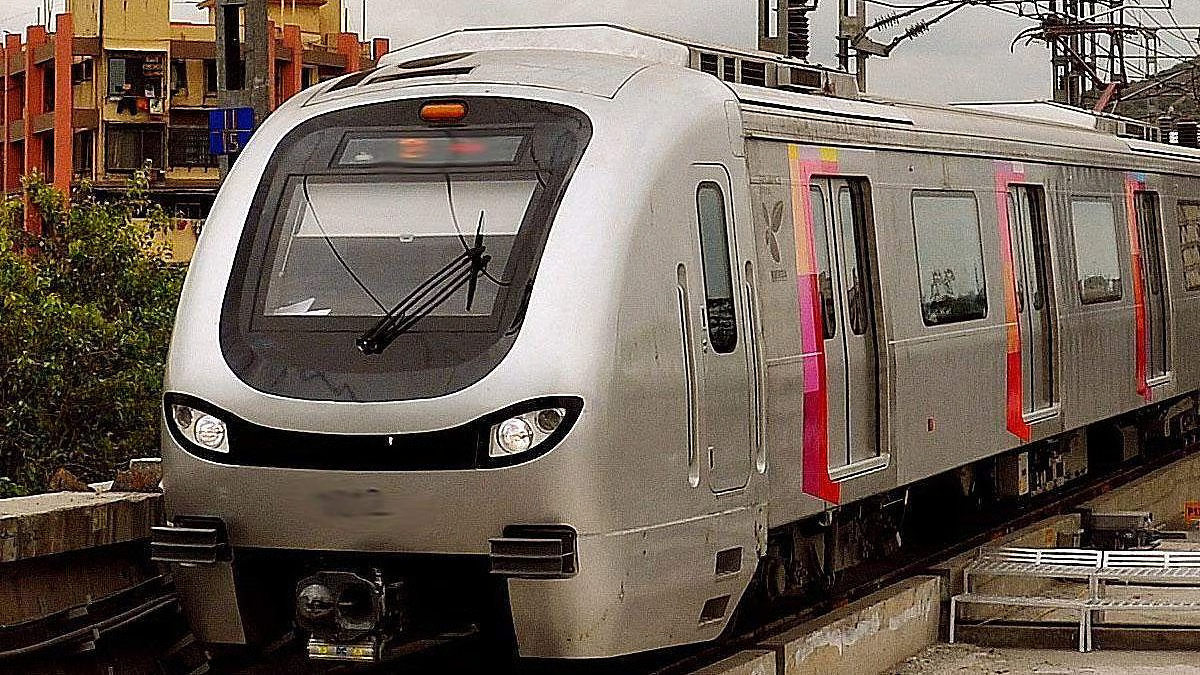
Mumbai is preparing another major upgrade to its expanding metro network, with the planning authority initiating a proposal to construct a new pedestrian bridge linking the upcoming Metro-4 corridor to Kanjurmarg railway station. The link aims to create seamless interchange between metro services and the suburban rail network, improving last-mile access for thousands of daily commuters in the eastern suburbs.
The Mumbai Metropolitan Region Development Authority (MMRDA) has begun a detailed assessment to strengthen connectivity along the 32-kilometre Wadala–Kasarvadavali Metro-4 line. According to officials, the authority is reviewing options to connect the corridor with nearby suburban stations to ensure that the metro becomes a more integrated and efficient urban mobility system. One of the most significant proposals is a 740-metre pedestrian bridge between the Kanjurmarg Metro-4 depot and the existing railway station. The link, estimated to cost around £93 crore, would substantially reduce walking time and ease interchange between modes. Planners say the bridge would be equipped with escalators, lifts, and surveillance systems to ensure universal accessibility and commuter safety. A senior official noted that the link is designed to encourage a shift towards public transport across neighbourhoods that rely heavily on road-based travel. By enabling a smoother interchange between metro, rail, and nearby bus terminals, the project is expected to support a more inclusive mobility ecosystem, especially for elderly passengers, women, and those with limited mobility.
The MMRDA has already floated a tender to appoint a contractor for the bridge. Once finalised, construction is expected to commence quickly, with an 18-month completion timeline. The authority believes the link will serve as a model for further integration along the corridor, with studies under way to examine potential connections at other stations. Metro-4 and its extension, Line 4A, form one of Mumbai’s most important new transport corridors, stretching across dense residential areas and rapidly growing commercial hubs. With 30 stations planned across the line, officials say the project will play a pivotal role in easing congestion on arterial roads while shifting more commuters towards lower-carbon public transport options.
Urban mobility experts point out that seamless interchange between different transport systems is crucial for cities pursuing sustainable development goals. When metro, rail, and bus networks function as a unified system, they say, commuters are more likely to choose public transport over private vehicles — reducing emissions, lowering congestion, and improving air quality. For a city as dense and rapidly growing as Mumbai, they add, such integrated solutions are essential for building an equitable and resilient urban mobility future. As the Metro-4 corridor moves closer to completion, the success of the proposed Kanjurmarg link is expected to shape how the city designs multimodal connections in upcoming phases of its transport expansion.
MMRDA Proposes Pedestrian Bridge Connecting Metro 4 Depot To Kanjurmarg Railway Station