Chennai Speeds Up Marina Cultural Corridor Work
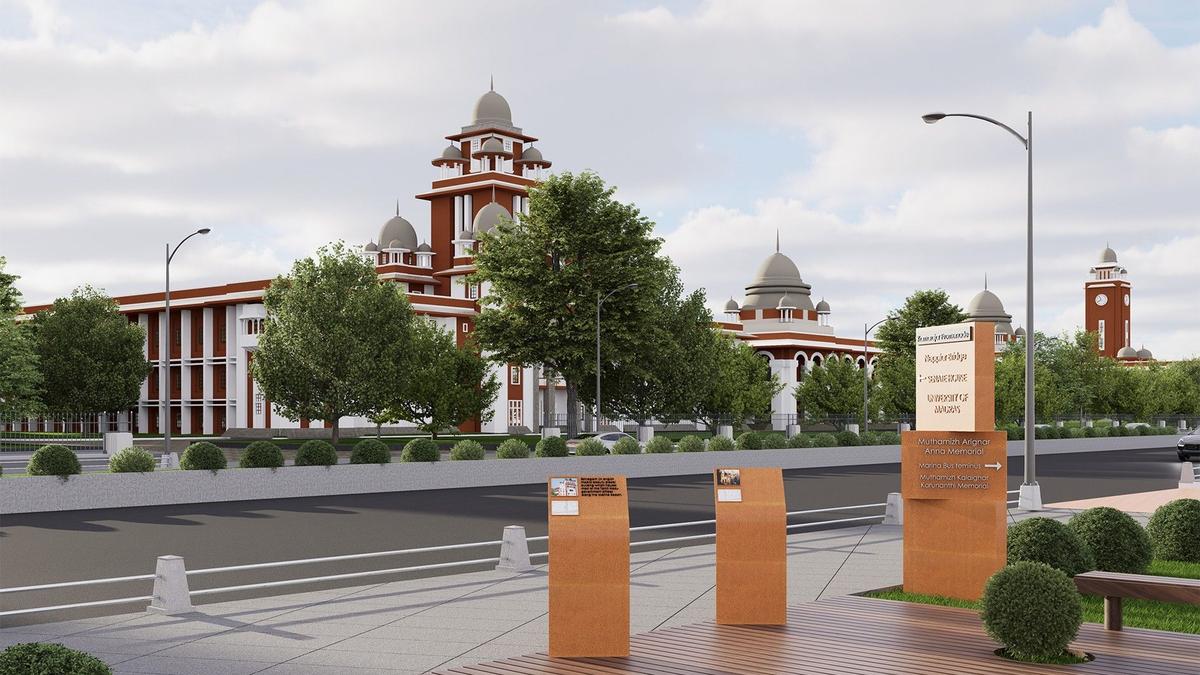
Chennai’s long-awaited Marina Heritage Corridor Project has reached a significant halfway mark, signalling a renewed push to transform one of India’s most iconic waterfronts into a more accessible, culturally anchored and people-friendly public realm. The Chennai Metropolitan Development Authority (CMDA) confirmed that nearly 50 per cent of the work along the 3.2-kilometre stretch between the Labour Statue and the Lighthouse is now complete, with officials aiming for full delivery by January.
Conceived as an urban renewal initiative, the project’s objective is twofold: preserve the historic identity of the Marina promenade while upgrading public infrastructure to support safer, low-carbon mobility. A senior official said the scheme is designed to “balance heritage protection with contemporary mobility needs”, reflecting Chennai’s broader ambition to become a more walkable and sustainable coastal city. At the heart of the plan is a 2.31-kilometre synthetic cycling track, four metres wide, intended to encourage non-motorised transport along a corridor long dominated by vehicular traffic. CMDA officials noted that more than 800 metres of this track have already been laid. Urban designers say such corridors are becoming critical in Indian cities where cycling remains underutilised despite growing demand for cleaner travel choices.
Complementing the track are nine viewing decks positioned opposite landmark institutions including Madras University, Presidency College, Vivekanandar Illam, Queen Mary’s College and the Lighthouse. These decks aim to create quieter, safer public pockets where residents and tourists can experience the city’s architectural legacy without obstructing pedestrian movement. Heritage experts believe that integrating cultural touchpoints into public infrastructure encourages a deeper engagement with the city’s past while keeping public spaces inclusive and accessible. The CMDA is also installing nine upgraded bus stops and three police booths to improve service access and safety along the busy seafront. Two of the booths are already operational. A mobility consultant noted that reliable public transport infrastructure is essential on the Marina stretch, which witnesses high footfall across age groups and socioeconomic backgrounds. Lighting upgrades—including streetlights and bollard lighting—are also being added to create a safer night-time environment, a recurring challenge in Indian coastal cities.
In addition, the project features a planned exhibition space to showcase Chennai’s maritime heritage and urban evolution. Planners argue such interventions can help anchor identity in fast-growing cities, particularly when designed to welcome diverse users including women, children, seniors and persons with disabilities. While the project has progressed steadily so far, urban experts suggest that long-term success will depend on maintenance, effective enforcement along the cycling lane and continuous monitoring of pedestrian safety. For now, the Marina Heritage Corridor represents an example of how Indian cities are attempting to reimagine historic public spaces through climate-aware, culturally sensitive urban design. If executed well, it could serve as a blueprint for similar upgrades in other coastal regions seeking to balance tourism, heritage and sustainable mobility.
Chennai Speeds Up Marina Cultural Corridor Work