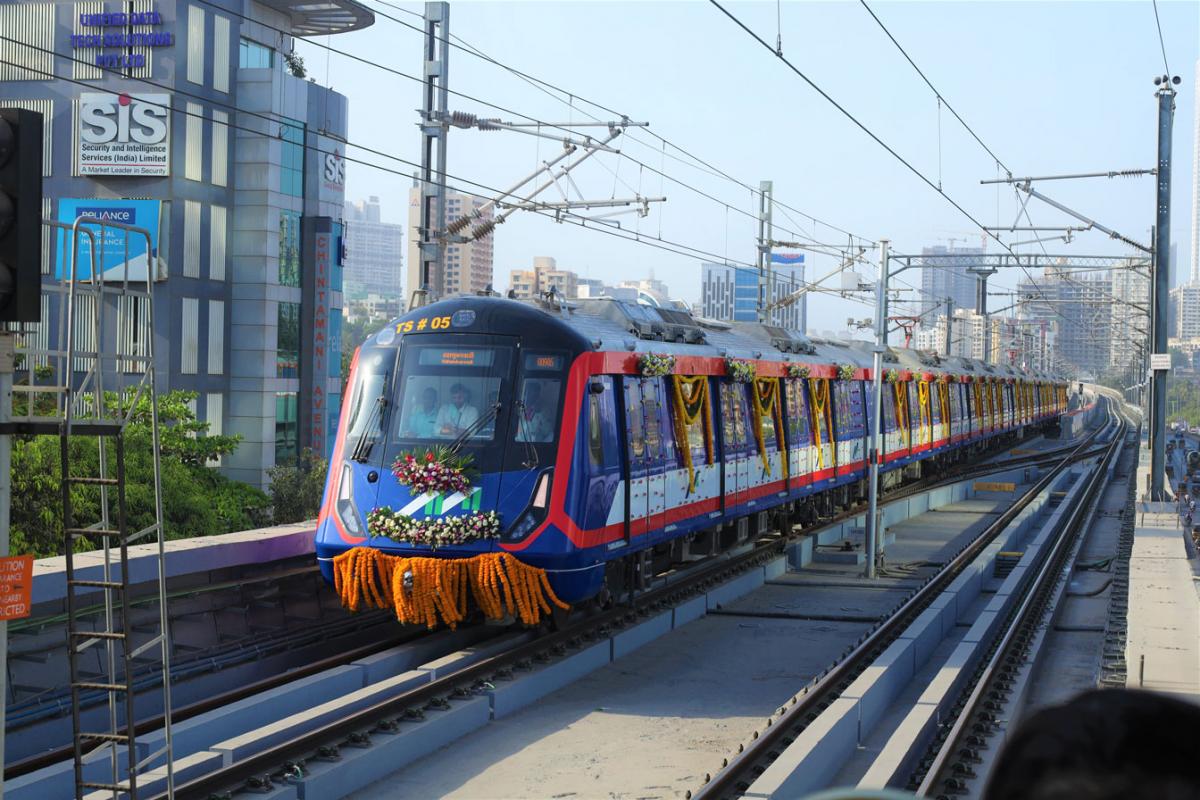
Mumbai’s metro network is set for a significant connectivity boost as the regional planning authority considers a dedicated link between Vikhroli metro station on Line 4 and Kanjurmarg railway station. The proposal, which involves constructing a 740-metre bridge, aims to strengthen east–west public transport integration and enhance last-mile access for commuters across the city’s dense eastern and central suburbs.
According to officials involved in the project, the planned connector is estimated to cost around ₹93 crore. The move comes after earlier interchange trials at Ghatkopar and Andheri railway stations, where linking suburban rail with metro corridors demonstrated strong commuter uptake and shorter travel times. With Line 4 expected to cater to areas such as Thane, Bhiwandi, Kalyan and Mira-Bhayandar, the Vikhroli–Kanjurmarg link is being viewed as a critical node for expanding equitable mobility within the Mumbai Metropolitan Region. A senior transport official said the authority’s objective is to make multimodal travel seamless and environmentally efficient. “The Vikhroli–Kanjurmarg connector allows passengers to walk directly between metro and rail without depending on road-based transfers. This reduces congestion and supports cleaner urban mobility,” the official noted. Such infrastructure is increasingly seen as essential for cities attempting to lower transport emissions and shift commuters away from private vehicles.
Urban planners also emphasise that Vikhroli is one of the few locations where rail, metro, highways and major employment hubs converge. A dedicated interchange here, they argue, will distribute commuter loads more evenly across the network. “This link fills a longstanding gap in Mumbai’s transit grid. It gives eastern suburbs an interchange on par with Ghatkopar, while improving accessibility to Kanjurmarg, which is emerging as a key growth district,” an infrastructure consultant said. Experts believe the project could encourage more commuters to opt for public transport, particularly in neighbourhoods where metro access is relatively new. Line 4 itself is expected to reshape mobility patterns by serving densely populated pockets previously dependent on buses or suburban trains. Integrating this corridor with the railway system strengthens the metro’s non-fare revenue potential as well, as higher ridership typically drives additional commercial use around stations.
If approved, the bridge will be designed with universal accessibility in mind, offering barrier-free movement for persons with disabilities, senior citizens and commuters with luggage. Urban mobility analysts argue that such design mandates are crucial to creating inclusive transit systems in India’s megacities, where lack of accessible interchanges often discourages women, elderly and vulnerable groups from using public transport regularly. The proposal will undergo further feasibility scrutiny before tenders are issued. Should it proceed, the Vikhroli–Kanjurmarg link would become one of Mumbai’s most important multimodal connectors—an intervention aimed at building a cleaner, safer and more integrated public transport ecosystem for a fast-growing metropolitan region.
Mumbai Plans Line 4 Link Connecting Vikhroli Metro To Kanjurmarg Railway Station