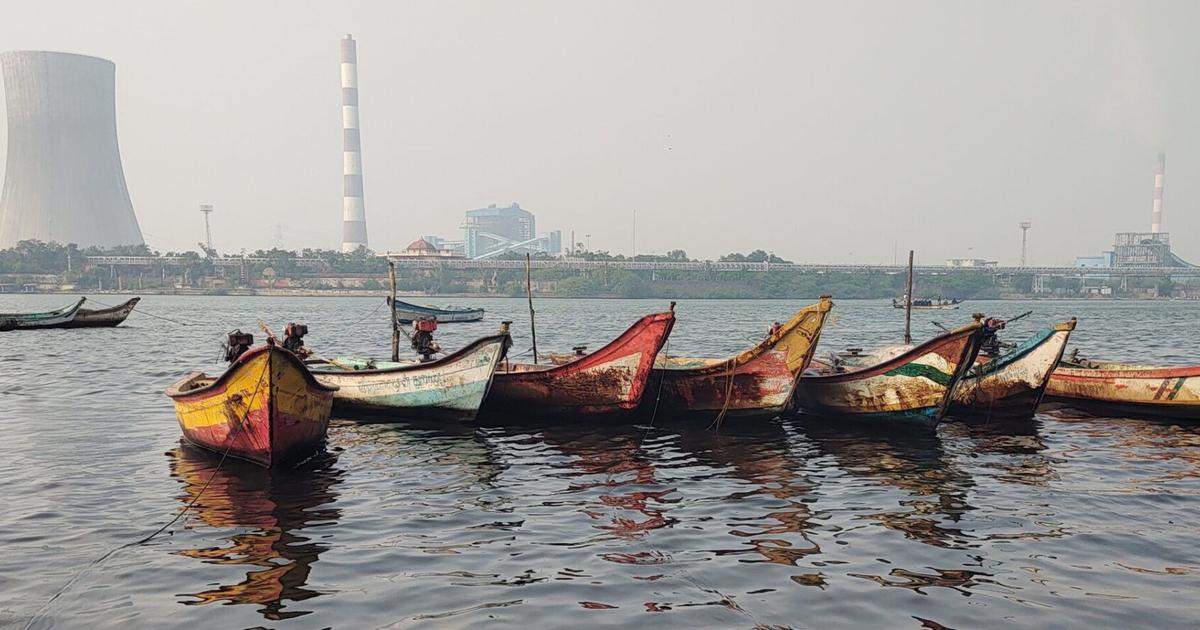
Tamil Nadu Pushes Safer Modern Fishing Spaces
Tamil Nadu has commissioned nearly ₹99 crore worth of fisheries infrastructure across multiple coastal districts, signalling a renewed push to modernise working waterfronts and strengthen livelihoods in one of the state’s most climate-exposed sectors. The projects, launched this week by the state leadership, aim to create safer berthing spaces, reduce post-harvest losses, and improve hygiene standards that are increasingly vital for coastal resilience.
According to officials, the investments include expanded facilities at the Thengapattanam fishing harbour in Kanniyakumari district, newly valued at ₹60 crore, and an upgraded landing centre with a dedicated trawl-net loop in Periyanayagi Patti, developed at a cost of ₹26 crore. The government has also modernised the fishing harbour at Tharangambadi in Mayiladuthurai district and opened a new fish seed farm in Tenkasi. Together, the projects are expected to support thousands of small-scale fishers who rely on predictable access to the sea and secure landing points. A senior officer from the Fisheries Department said the upgrades were designed not only to accommodate larger fleets but also to align fishing operations with emerging standards for sustainability and food safety.
“Improved handling areas, safer docks and better water circulation systems help ensure that the journey from catch to consumer meets both hygienic and environmental benchmarks,” the officer noted. Industry experts say the interventions address long-standing gaps in harbour management particularly the lack of resilient infrastructure capable of withstanding intense cyclones, tidal surges, and erratic monsoon patterns. As coastal communities face increasing climate risks, state governments are under pressure to rethink infrastructure design to protect both workers and marine ecosystems. The government has also reiterated its commitment to welfare measures that ease the financial strain on fishing households. These include annual compensation during the mandatory fishing ban, tax-exempt diesel for mechanised vessels, subsidised kerosene for traditional boats, and a 50% subsidy for purchasing long-liner and gill-net crafts aimed at reducing ecological strain on near-shore waters.
Urban planners and environmental specialists argue that investments of this scale must be integrated with broader coastal management strategies. They stress that harbours serve not only as economic anchors but also as public spaces shaping the liveability of coastal towns. Stronger waste-handling systems, inclusive design for women workers, and low-carbon infrastructure—such as solar-powered cold rooms and energy-efficient auction halls can significantly improve urban resilience. While the latest projects mark a meaningful step, experts caution that the next phase should prioritise long-term ecological stewardship, equitable access for small fishers, and transparent monitoring of harbour operations. If executed well, Tamil Nadu’s coastal upgrade could become a model for how blue-economy investments can support both livelihoods and sustainable city development in a warming world.
Tamil Nadu Pushes Safer Modern Fishing Spaces