Hyderabad Banks On River Renewal For City Mobility
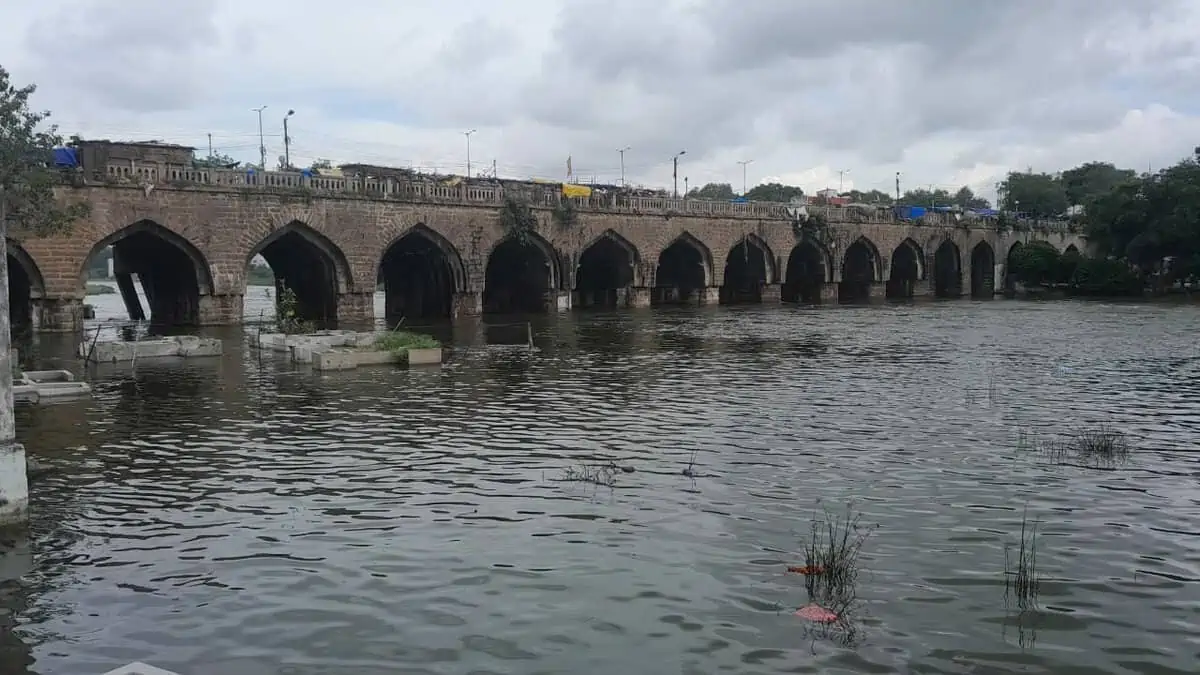
Hyderabad’s government is advancing an ambitious transformation of the Musi river corridor, positioning blue green infrastructure as a catalyst for climate safety, urban mobility and real estate growth. At a conference in the city on Tuesday, senior planners and policymakers said climate adaptation must now drive the next phase of Hyderabad’s development.
Urban experts presenting at the event called for science-based decision-making, warning that conventional flood-control and beautification projects will not be enough for a city facing intensifying climate shocks. A senior hydrologist explained that climate impacts should be assessed through a “probabilistic approach” that assigns weightages to infrastructure stress, socio-political exposure, economic risks and natural vulnerabilities. According to the expert, such modelling would help understand compounding effects like extreme rainfall overlapping with encroachments or drainage failures, enabling more accurate hydrological analysis before solutions are finalised. This approach, the hydrologist added, would directly influence the creation of river buffers including their size, location and permitted land use to prevent disasters rather than merely respond to them. “Without scientific buffers, cities pay higher human and financial costs,” an urban planner noted on the sidelines of the event, pointing to recent flooding in major Indian metros as evidence.
The Telangana government said it plans to integrate these technical recommendations into its redevelopment vision for the Musi. A senior minister confirmed that a coordinated blue–green infrastructure plan is under preparation, aiming to link flood protection with parks, mobility corridors, recreational spaces and climate-sensitive real estate development. According to government officials, the intention is to create a safe river environment that does not merely look appealing but enhances public life and investor confidence while improving resilience to climate risks. Urban development specialists observed that Musi’s revival could become a pivotal test case for Indian cities balancing ecology with economic growth. Blue–green infrastructure which blends waterways, wetlands, parks and built mobility infrastructure is increasingly viewed globally as a path to net-zero, inclusive cities. However, experts caution that success depends on safeguarding existing informal settlements, ensuring affordable access to public spaces and preventing exclusive commercial zones along the riverbank.
Real estate analysts believe the project could unlock new housing and commercial markets if implemented transparently and equitably. At the same time, they underscored that displacement-free planning and gender-safe public design must be prioritised to truly benefit the city’s residents. For citizens, the Musi plan could reshape daily life over the next decade, providing uninterrupted walking and cycling access, expanded recreation and safer neighbourhoods. If the government adheres to scientific risk modelling and community-centred design, Hyderabad could emerge as a national model for climate-secure development proving that ecological restoration and economic growth need not be in conflict.
Hyderabad Banks On River Renewal For City Mobility