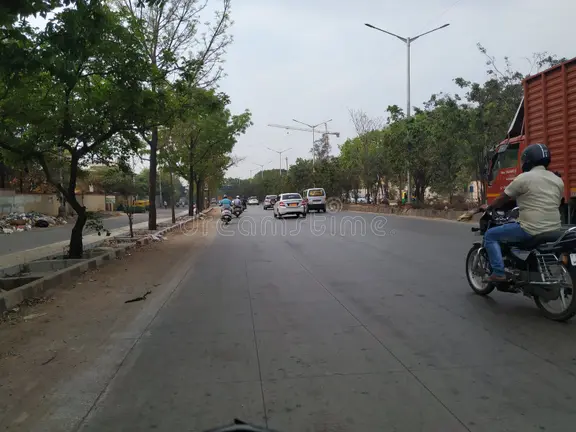
Bengaluru Pushes Quick Upgrades For Pedestrian Safety
Bengaluru has launched a citywide drive to overhaul pedestrian safety infrastructure, directing all five city corporations to identify and repair 50 of the most vulnerable walking zones across the metropolis. Officials say the exercise is aimed at prioritising high-footfall areas where damaged footpaths, unsafe crossings, and encroachments pose daily risks to residents, workers, and school-goers.
The directive, issued during a virtual review meeting chaired by the Chief Commissioner of the Greater Bengaluru Authority (GBA), requires each of the ten administrative zones to pinpoint five problem locations and complete repairs within tight timelines. According to officials present at the meeting, the initiative will serve as a fast-track model for improving walkability in India’s fastest-growing urban region, where motor-centric planning has long overshadowed the needs of non-motorised commuters. The administration also emphasised the importance of maintaining cleanliness along pedestrian corridors. Civic engineers have been instructed to not only reconstruct pathways but to ensure long-term upkeep by identifying habitual waste dumpers and enforcing penalties. This approach, officials argue, is expected to discourage informal dumping that forces pedestrians onto busy roads, compounding safety concerns.
Upgrades planned under the ongoing Suraksha 75 programme—which prioritises junction redesign for reduced conflict between motorists and walkers will be placed on accelerated timelines. A senior planner noted that many Bengaluru junctions still lack basic pedestrian protections such as refuge islands, median breaks, and traffic-calming elements. “Walkability cannot be treated as an optional component of transport planning. A safe city is one where people can move with dignity regardless of their mode of travel,” the planner said. Parallel to the pedestrian focus, the GBA has directed corporations to identify land for municipal dog shelters to comply with a recent Supreme Court ruling. Waste infrastructure is also in line for expansion, with plans for one transfer station per Assembly constituency and the installation of ‘kasa kiosks’ in high-waste neighbourhoods, especially informal settlements where public cleaning services are often inadequate.
Earlier in the day, the Chief Commissioner assessed ongoing civic works in Kasturinagar and called for a comprehensive master plan for the neighbourhood. This plan is expected to integrate mobility, drainage, public spaces, and community facilities across jurisdictions, as the area currently falls under both the Bengaluru Central and East City Corporations. Planners believe this neighbourhood-level approach could become a blueprint for equitable urban upgrades across the city. Urban experts say the renewed emphasis on safety for those who walk is significant for a city aiming to build climate-resilient and inclusive mobility structures. With nearly half of Bengaluru’s population relying on walking as a primary or intermediate mode of travel, the success of this initiative could shape how the city balances growth with liveability. If executed well, it may mark a shift from viewing footpaths merely as supporting infrastructure to recognising them as essential public assets that enable access, safety, and opportunity.
Bengaluru Pushes Quick Upgrades For Pedestrian Safety