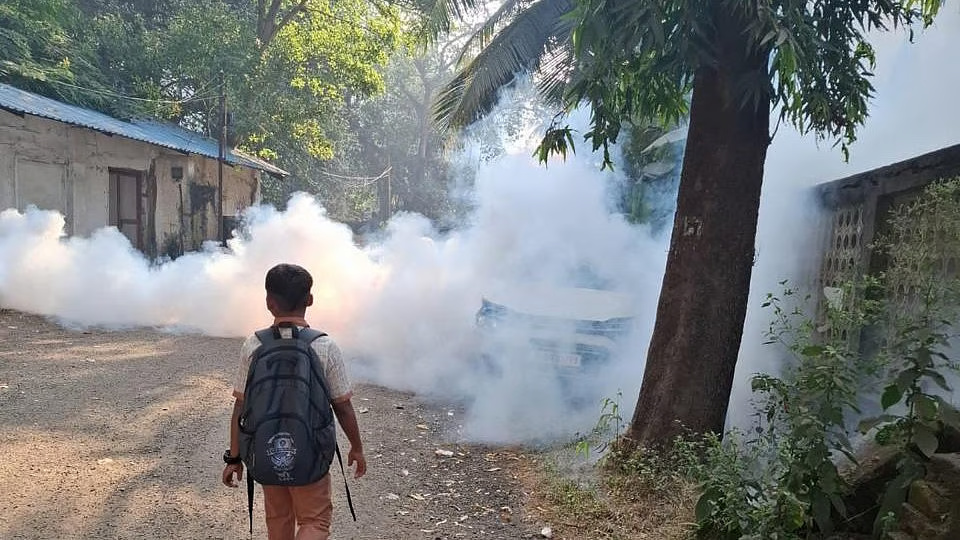
Mumbai authorities are being urged to rethink the city’s mosquito control strategy as complaints of mosquito-borne diseases continue to rise despite ongoing daytime fumigation efforts. A former municipal corporator has called on the Brihanmumbai Municipal Corporation (BMC) to consider evening fumigation, citing scientific evidence and international best practices for targeting mosquito activity during dusk hours.
The proposal, submitted in a letter to the Municipal Commissioner, highlights the limitations of daytime spraying, which has so far failed to significantly reduce complaints related to mosquitoes and diseases such as dengue and malaria. “Evening fumigation could improve public health outcomes as Aedes and Anopheles mosquitoes are most active during late afternoon and early evening,” the letter states. Experts note that timing fumigation to coincide with peak mosquito activity enhances the effectiveness of insecticides. Cooler evening temperatures allow fumigants to linger longer, providing more sustained protection than daytime applications. An official from the municipal health department confirmed that while the BMC has maintained daytime fogging schedules, the city continues to report high incidences of mosquito-borne infections in multiple wards.
Globally, cities including Singapore, Brazil, Malaysia, and Thailand routinely deploy evening or late-afternoon fogging to curb mosquito populations. These measures have been credited with reducing vector-borne disease outbreaks while balancing environmental and public health considerations. Public health experts suggest that Mumbai’s tropical climate and dense urban landscape make a shift to evening operations particularly suitable. The former corporator also recommended forming a dedicated committee of health officials to review existing protocols and oversee a potential transition to evening fumigation. “A structured approach is essential to ensure effectiveness and safety, particularly in densely populated areas,” he said. Officials highlighted that integrating community feedback, monitoring outcomes, and adapting spray schedules based on mosquito surveillance could maximise the benefits of such a strategy.
While the proposal has not yet been formally accepted by the BMC, the discussion underscores the importance of evidence-driven, citizen-centric urban health policies. Effective mosquito management is not only a public health imperative but also critical for ensuring equitable access to safe and sustainable urban living environments. Municipal authorities have indicated that they are evaluating current methods and may pilot evening fogging in selected wards to determine its efficacy before wider implementation. If successful, this adjustment could serve as a model for other Indian cities facing similar vector-borne disease challenges, aligning local public health initiatives with international best practices.
Mumbai Urged To Adopt Evening Fumigation Amid Rising Mosquito Related Diseases