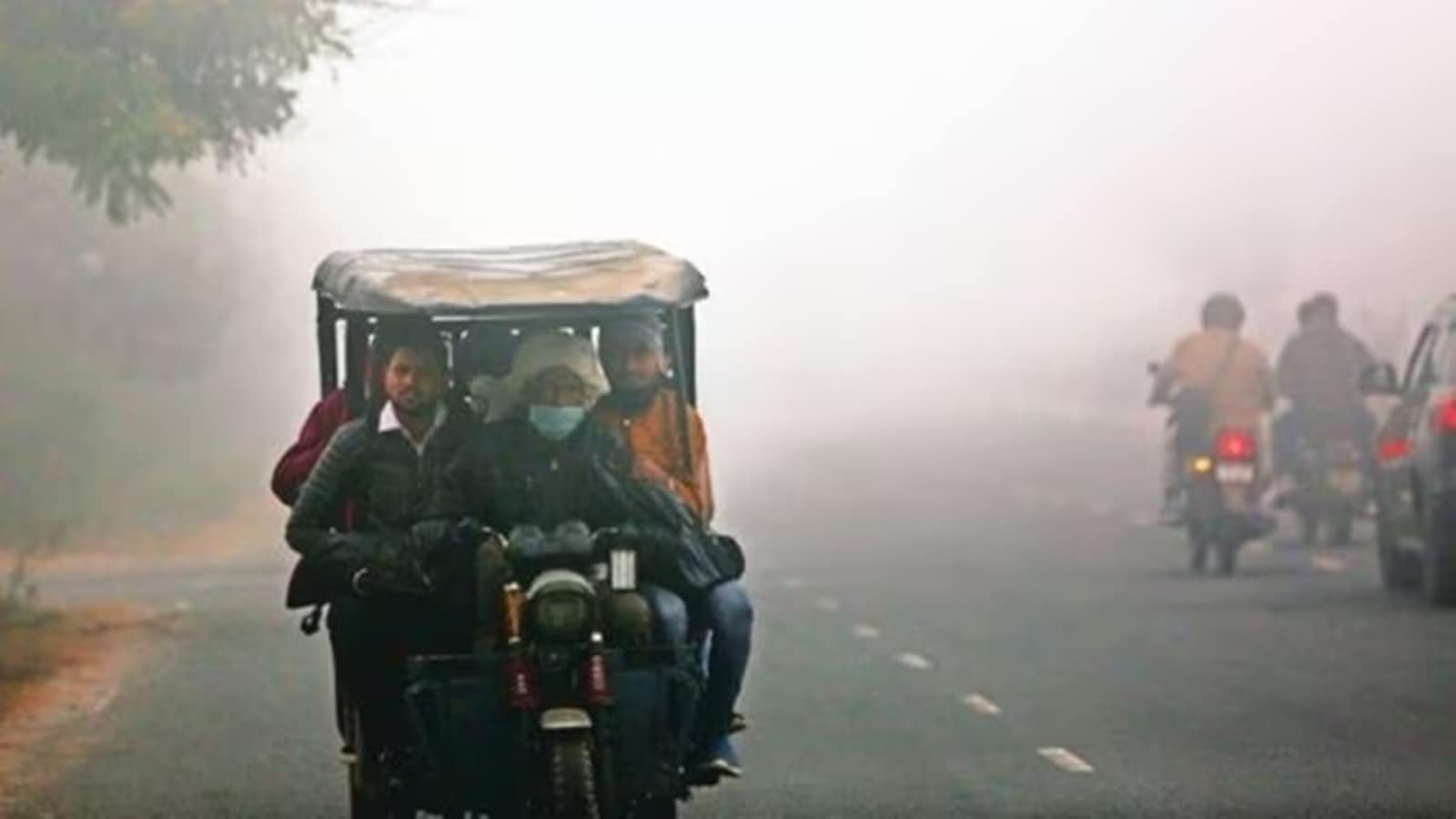
A severe cold spell gripped large parts of northern and eastern India on Saturday, with temperatures dipping significantly below seasonal averages and dense fog affecting visibility in several regions. The India Meteorological Department (IMD) reported widespread cooling driven by persistent north-westerly winds and clear night skies, conditions that heighten winter stress for vulnerable communities in dense urban areas.
Kolkata experienced its coldest morning of the season, recording a minimum temperature of 14.5°C—over two degrees below normal. Meteorologists expect the city’s maximum temperature to hover around 26°C, accompanied by mist and evening fog. Other districts in Gangetic West Bengal witnessed a gradual decline in temperatures, a pattern likely to continue over the next 24 hours. Urban planners note that such rapid fluctuations often expose gaps in shelter infrastructure and public health preparedness, especially for informal settlements.
Further west, Jharkhand entered a sharper phase of the cold wave.
Gumla registered a minimum temperature of 3°C, prompting the IMD to issue a yellow alert across 11 districts, including Ranchi, Bokaro, Garhwa and Simdega. Officials said temperatures may fall by another two degrees over the next two days before stabilising. The state’s rural belts typically suffer the worst impact of such cold bursts, though experts point out that inadequate winter shelters in urban centres are also emerging as a concern.In Kashmir, night temperatures plunged well below freezing, intensifying the region’s already harsh winter routine. Srinagar recorded minus 4.1°C, while Shopian reported the lowest reading at minus 6.4°C. Tourist zones such as Gulmarg and Pahalgam also remained several degrees below zero. Thick fog covered parts of the Valley on Saturday morning, though the IMD has forecast largely dry and cloudy conditions for 6–7 December and the possibility of light snowfall at higher altitudes on 8 December. Seasonal disruptions such as frozen pipelines and mobility challenges continue to highlight the need for resilient infrastructure in the Himalayan region.
Meanwhile, Delhi faced a double burden of cold weather and hazardous air quality. The capital recorded a minimum of 6.8°C nearly three degrees below normal while the Air Quality Index (AQI) touched 335 at 9 am, placing the city firmly in the “very poor” category for the sixth consecutive day. Thirty-six monitoring stations across the metropolitan region showed similarly severe readings, with Mundka registering the worst levels. Urban environmental specialists argue that recurring winter pollution episodes underline the urgent need for coordinated action on emissions, clean mobility and regional biomass-burning controls.Despite the dip in temperatures, the IMD expects Delhi’s maximum temperature to reach around 24°C under a partly cloudy sky. As cities across northern and eastern India navigate a prolonged cold phase, experts stress the importance of inclusive winter response systems, ranging from emergency shelters to improved public transport and clean heating options critical elements of sustainable and climate-resilient urban development.
Kolkata Records Season Lowest As North India Shivers And Kashmir Freezes Today