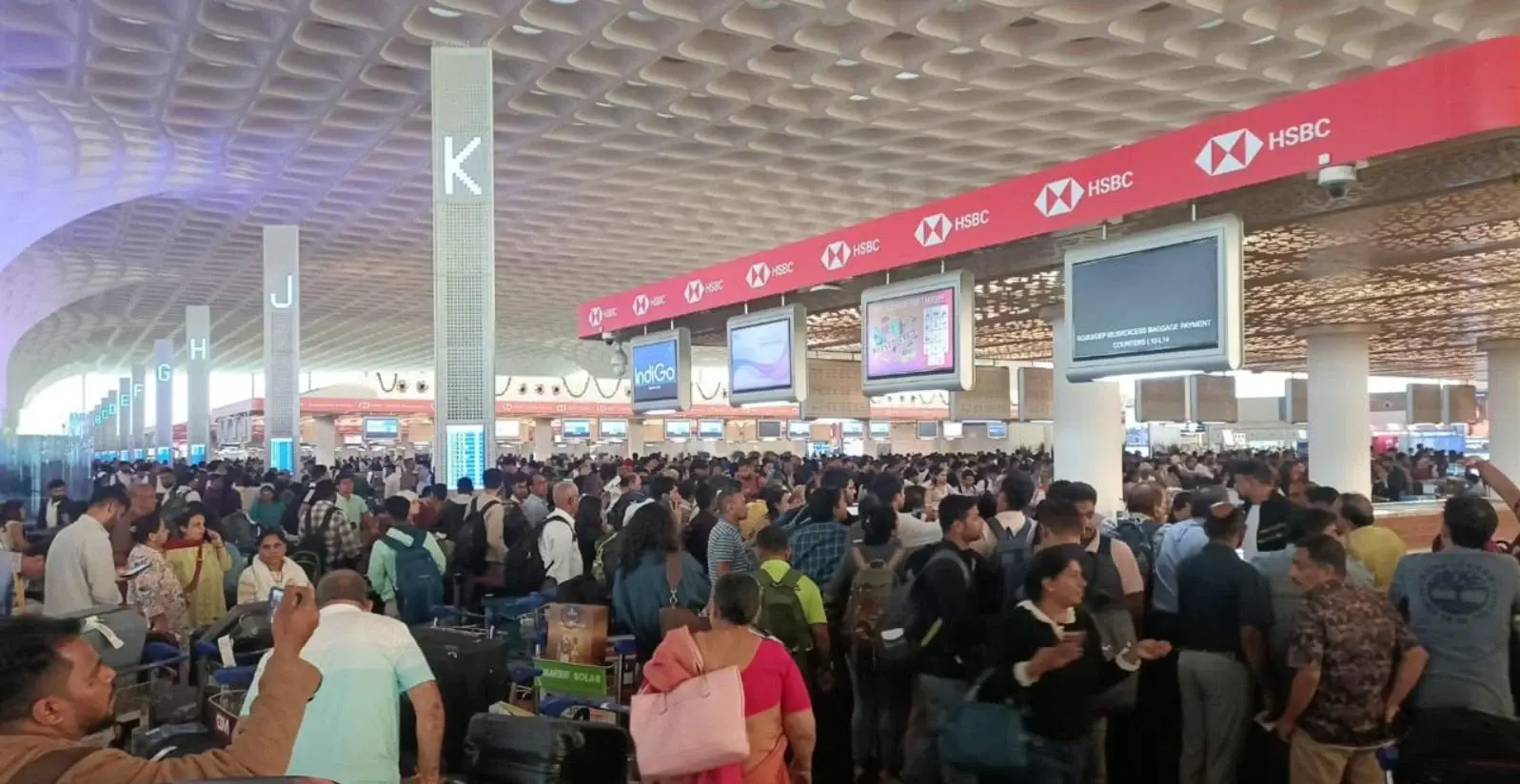
Chandigarh passengers endured a night-long ordeal after severe operational disruptions at IndiGo grounded flights for the third consecutive day, exposing systemic stress in India’s busiest low-cost carrier. The Chandigarh–Pune service, originally scheduled for 9:15 pm, departed only at 7:50 am the following morning, leaving travellers stranded at Mohali airport overnight. Officials cited crew shortages, winter congestion, and technology issues as compounding factors in the airline’s operational crisis.
Industry experts observed that IndiGo underestimated crew requirements under Phase 2 of the revised Flight Duty Time Limitations (FDTL) norms, which came into effect on 1 November. These rules, aimed at improving pilot safety and fatigue management, imposed stricter restrictions on night operations. “The new standards significantly altered scheduling expectations, especially for overnight flights,” a senior aviation analyst said.Passengers at Mohali reported repeated announcements of revised departure times, often offering little clarity. Delays escalated from 9:15 pm to multiple later timings, with the final postponement caused by unclaimed baggage removal. “The airline staff kept providing vague responses, creating further confusion,” one traveller noted. Helpline services were reported as largely unresponsive throughout the night, intensifying passenger frustration.
The broader operational fallout has affected all major hubs. Mumbai reported 118 cancellations, Bengaluru 100, Hyderabad 75, Kolkata 35, Chennai 26, and Goa 11, while nationwide flight schedules were disrupted. IndiGo operates roughly 2,300 daily flights, with on-time performance plunging to below 20% in late November. Government authorities, including the DGCA and Civil Aviation Ministry, met IndiGo leadership to review corrective measures and stabilise operations.Interim regulatory adjustments were introduced to ease crew shortages, including temporary redefinition of night duty hours and pausing the cap on night landings per pilot. These measures aim to restore flight reliability while safeguarding compliance with fatigue management rules. “Operational recalibration is necessary, but passengers may continue facing delays for a few days,” an official said.
The Mohali–Pune incident underscores the growing challenges of balancing rapid aviation expansion with safety, staffing, and infrastructure capacity. Analysts emphasise that winter traffic surges, high aircraft utilisation, and crew rostering complexities require more adaptive management strategies. As airlines adjust, passengers are advised to monitor schedules closely, plan for contingencies, and anticipate potential disruptions during peak periods.The episode highlights the need for long-term systemic resilience in India’s aviation sector, including scalable crew management, technological support, and airport infrastructure enhancements, ensuring safer, more reliable travel in a rapidly growing market.
Chandigarh Passengers Stranded Overnight As IndiGo Flight Delays Cause Severe Travel Chaos