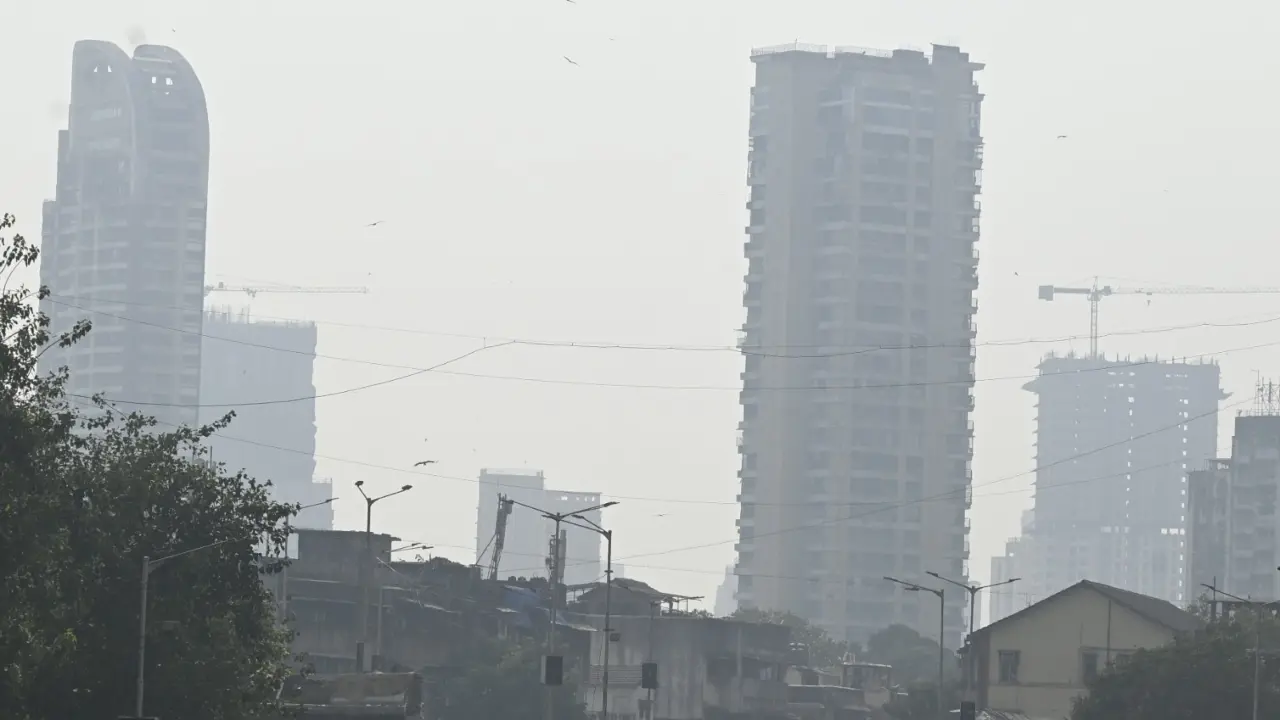
Mumbai’s pollution control efforts intensified this week as the state regulator ordered the closure of 19 ready-mix concrete (RMC) plants across the Mumbai Metropolitan Region (MMR) for failing to comply with updated environmental norms. The action, which also included the removal of three unauthorised metal-processing units in Sion, reflects the administration’s heightened focus on curbing construction-related emissions that continue to challenge air quality across the region.
According to officials, the enforcement drive followed a series of inspections conducted through the Maharashtra Pollution Control Board’s network of continuous and mobile air-quality monitoring systems. The surveys targeted RMC clusters, high-intensity construction zones and peri-urban industrial pockets, many of which have been flagged for generating significant dust emissions. Several units were found operating without enclosed systems, adequate misting arrangements or mandated emission-control infrastructure—requirements newly reinforced through revised guidelines issued earlier this year. In Mumbai, four RMC facilities located in Deonar and Govandi were ordered to shut operations immediately. The regulator also forfeited bank guarantees from three facilities that had repeatedly breached compliance conditions. Meanwhile, in Sion’s Sanjay Gandhi Nagar, three illegal metal furnaces were dismantled in coordination with the municipal corporation, marking a rare instance of joint enforcement in a high-density neighbourhood where informal industrial activity has long raised safety and health concerns.
The inspections extended to Wadala–Mahul where teams documented instances of open garbage burning along the service road controlled by the Mumbai Port Authority. Officials directed the port administration to initiate preventive measures, noting that episodic burning, combined with construction dust and industrial emissions, significantly contributes to poor ambient air quality in the eastern corridor. Beyond the city, eight RMC units in Thane, six in Navi Mumbai and one in Kalyan were also closed after similar violations were recorded. Environmental experts say the widespread action underscores the urgency of addressing construction-linked pollution, which routinely elevates particulate matter levels, especially in fast-urbanising belts of the MMR. “Poorly managed RMC operations add to the already stressed urban airscape and disproportionately affect residents in lower-income and industrial-edge communities,” one environmental planner noted.
The regulator has recommended a mandatory box-type enclosure design for RMC operations to minimise fugitive dust, alongside mechanical sprinklers and tyre-cleaning systems to restrict the spread of particulate matter beyond plant boundaries. These interventions, officials say, align with broader efforts to create healthier and more equitable urban environments, particularly in neighbourhoods historically burdened with environmental risks. The MPCB has indicated that sustained inspections will continue across pollution-prone zones through winter, a period when stagnant atmospheric conditions often worsen air quality. Urban planners argue that consistent enforcement, paired with cleaner construction practices, is essential for cities aiming to transition toward net-zero, climate-resilient development frameworks. While the closures may temporarily affect supply chains, they are expected to accelerate a long-term shift towards safer, sustainable construction practices across the metropolitan region.
Mumbai Closes Nineteen RMC Plants And Clears Three Illegal Metal Units In Sion