


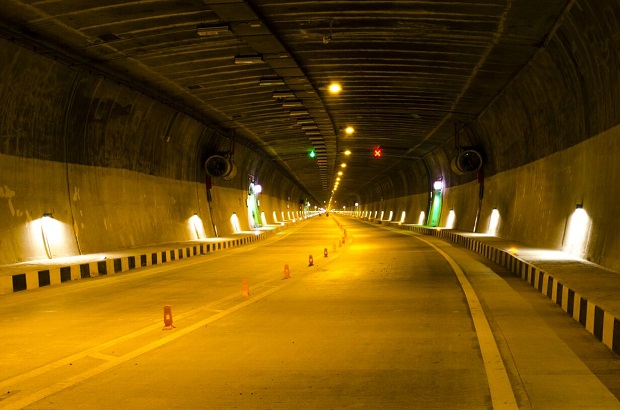
Bengaluru’s long-planned mobility infrastructure upgrade has taken a major financial turn, with the project now expected to cost ₹2,215 crore—nearly 70 per cent higher than earlier projections. The Bangalore Development Authority (BDA) will execute and finance the development through its own resources, altering the original funding strategy and raising questions about the financial sustainability of large urban projects.
According to documents reviewed by Urban Acres, initial planning by Bengaluru Smart Infrastructure Ltd (B-SMILE) estimated the proposal at ₹1,325 crore, focusing solely on a tunnel component. Subsequent revisions incorporated a flyover in addition to the tunnel, significantly expanding the scope, the project timeline, and the cost. A senior government official said the redesign aims to “address future traffic demand and reduce long-term disruptions”, but acknowledged the cost increase as “substantial”. Urban planners tracking the development argue that the expansion of scope highlights a recurring planning flaw in Indian cities: inadequate early-stage forecasting of mobility needs. “Projects need to factor in multimodal integration, future population density and universal accessibility from the start. When these elements are added later, budgets naturally spiral,” an industry expert noted. The implications go beyond the financial sheet, affecting commuters and surrounding neighbourhoods during prolonged construction.
The BDA’s decision to fund the project independently means the agency may need to divert resources from other planned infrastructure works. Economists observing the real estate market warn that this could influence planned public housing or land development programmes, potentially slowing progress in a city already grappling with affordability pressures and strained logistics At the same time, the scale-up may offer an opportunity to rethink mobility through a sustainability lens. Bengaluru’s rapidly growing population relies heavily on private vehicles due to gaps in public transport connectivity, particularly for women, senior citizens and persons with disabilities. Integrating flyovers and tunnels without designing pedestrian- and cycle-friendly links, experts say, risks reinforcing car-centric development—ultimately widening inequities in urban mobility.
A senior civic engineer involved in the planning maintained that the revised design “will incorporate better integration with public transit systems where feasible”, though specifics have not been announced publicly. Residents’ groups, meanwhile, have expressed concern about environmental impacts and land acquisition, urging authorities to publish an accessibility-focused development plan before construction begins. Despite the funding burden and uncertainties, analysts emphasise that the project could ease congestion if executed transparently, with clear benchmarks on air quality, last-mile connectivity and safety. For a city striving toward a greener and more equitable future, accountability in cost management and inclusive design will determine whether the investment becomes a transport relief or another expensive stopgap.
Also Read : https://urbanacres.in/chennai-walkway-woes-rise-amid-metro-works/
Bengaluru Tunnel Flyover Redesign Triggers Cost Escalation
