


The merger of 20 municipalities and seven corporations into the Greater Hyderabad Municipal Corporation (GHMC) is being positioned as a step towards citywide urban uniformity. However, the move has exposed critical gaps in taxation, civic incentives and service delivery frameworks — raising questions over whether the expanded GHMC can ensure equitable development across old and newly added zones.
The state government has argued that the merger will streamline planning and address the uneven development patterns in peripheral areas. Yet, the most immediate friction point is property tax rationalisation. Many of the recently merged urban local bodies calculate property tax based on the market value of properties — a formula adopted under a Central reform framework. Tax rates in these municipalities are currently pegged at 0.12–0.2% of the registered value. In contrast, GHMC continues to calculate property tax using the annual rental value (ARV), where the plinth area of a property becomes the base. A fixed rent rate per square foot determines ARV, with marginal variations only in upmarket neighbourhoods. This divergence has resulted in significant disparities: residents in some peripheral municipalities currently pay higher taxes than those within the core GHMC area, despite receiving fewer civic amenities.
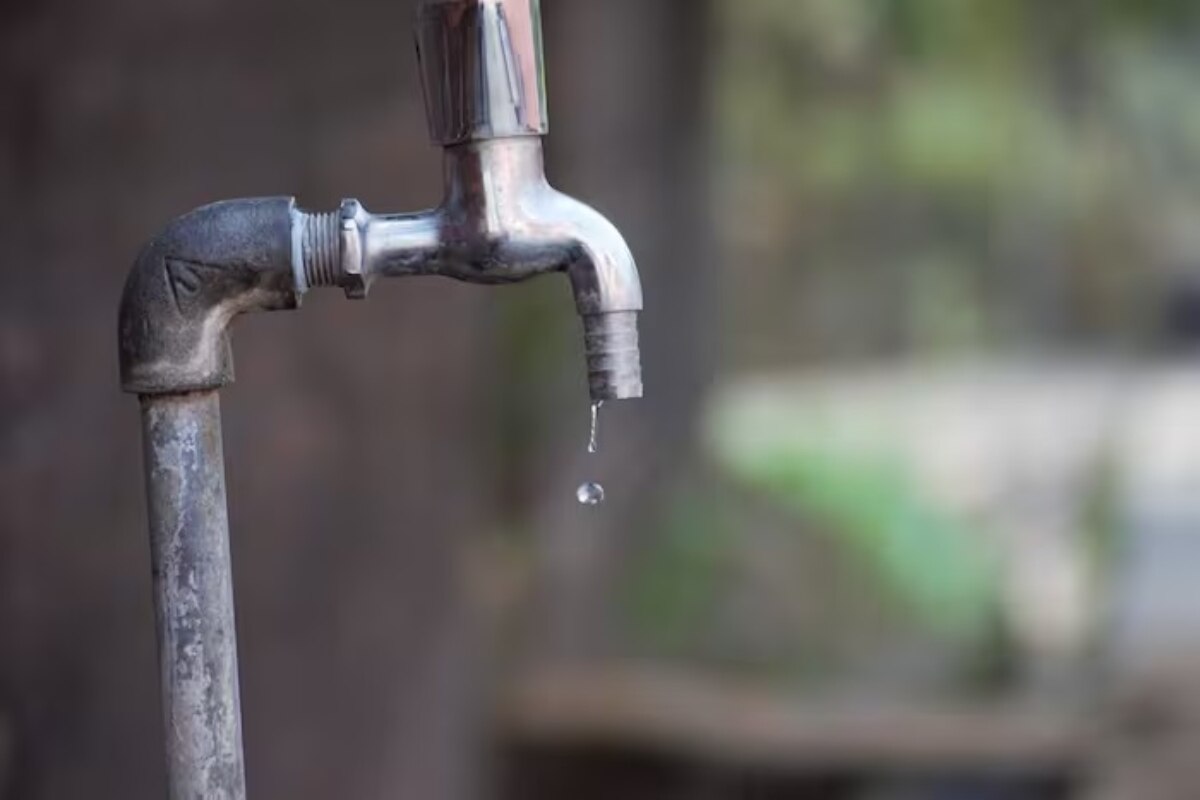
To enforce taxation uniformity, GHMC would need to either extend its ARV system to the newly merged jurisdictions or shift the entire city to the market value model. Both options carry political and financial implications. Senior officials suggest that adopting GHMC’s existing tax system universally could breach commitments already made to the Centre, while switching to the market value model across Hyderabad may risk voter discontent ahead of the GHMC elections. Another unresolved matter is the 20 kilolitres free domestic drinking water scheme introduced by the previous state administration. The benefit is available only to consumers under the GHMC limit and does not extend to households in peripheral municipalities despite their dependence on the Hyderabad Metropolitan Water Supply & Sewerage Board. For many families in the merged areas, inclusion under the scheme would reduce monthly household expenses substantially.
An official involved in the merger process noted that “the integration will be successful only if reforms are designed for equity rather than uniformity.” Urban planners argue that large-scale expansions often overlook the needs of low-income and peri-urban residents and warn that a purely administrative merger may widen inequalities if service standards do not rise uniformly. The merged GHMC presents an opportunity to build a more inclusive metropolitan governance model that prioritises fair access to services across all circles — core and periphery alike. As Hyderabad grows, the sustainability of its urban future will hinge not only on infrastructure upgrades but also on the city’s commitment to social equity in taxation, water supply and public services.
Hyderabad Awaits Clarity On Free Water Expansion
