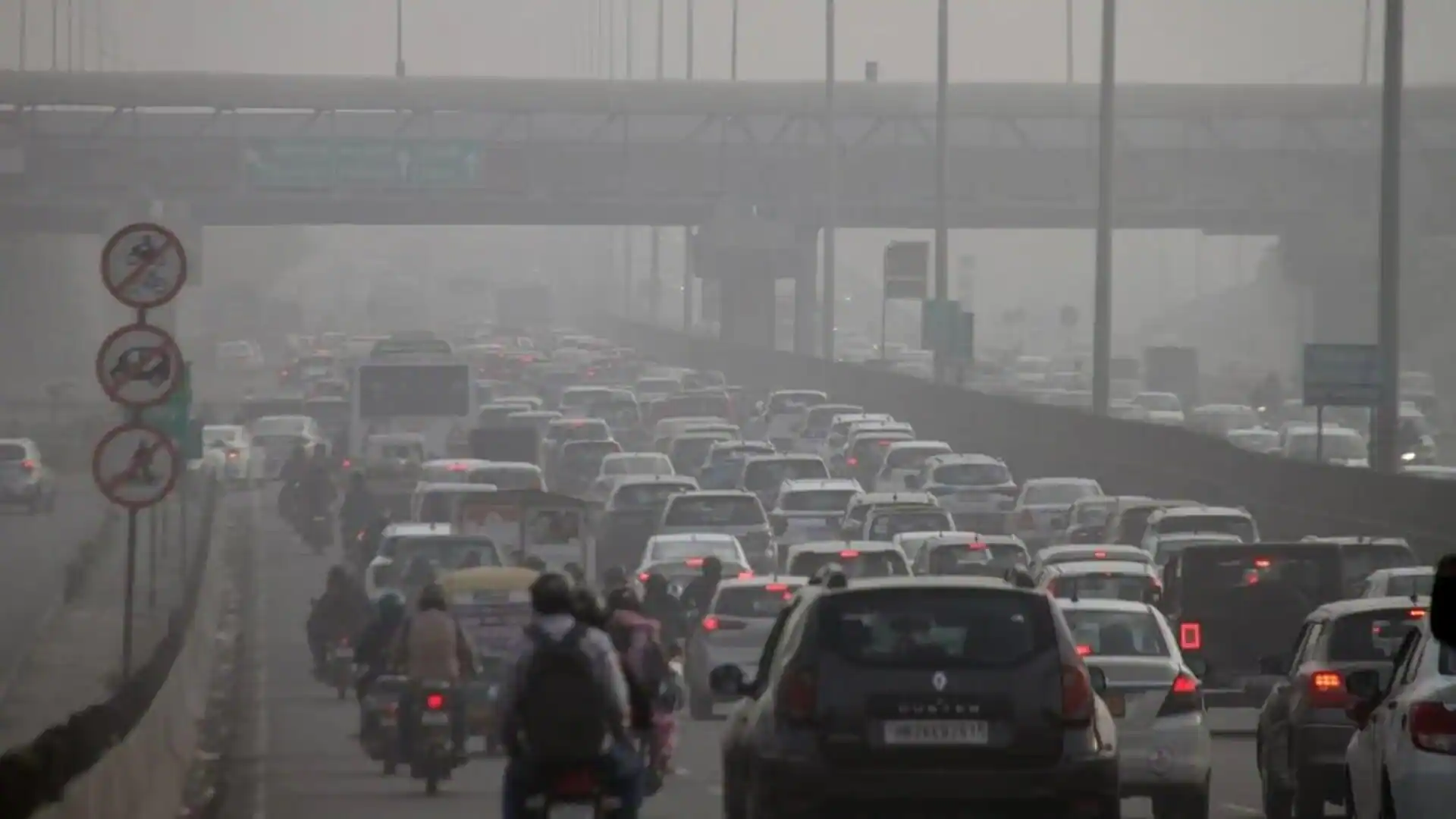
Delhi has unveiled a high-level expert panel and ordered emergency road repairs as part of an intensified push to curb air pollution ahead of winter, signalling a shift towards faster implementation and stricter accountability across urban departments. The move reflects the city’s attempt to reduce dust emissions one of Delhi’s most persistent pollution sources while improving road quality and commuter safety.
During a review meeting at the state secretariat, the city leadership directed all agencies to identify and repair potholes within 72 hours, underscoring that deteriorating roads contribute to dust pollution, traffic congestion, and heightened safety risks. Officials noted that the initiative aims not only to improve mobility but also to address environmental concerns linked to poorly maintained infrastructure.The newly constituted committee comprises senior administrators, environmental scientists, and technical experts from national institutes, who will work continuously on targeted pollution-control strategies.
According to a senior official, the panel has been granted expanded powers to intervene quickly, particularly where delays have historically undermined enforcement. Agencies found negligent may face penalties, with environmental regulators instructed to issue challans against defaulting departments.Departments handling public works have been asked to document all road-repair activity using a centralised app, supported by time-stamped images to ensure transparency. Officials said this real-time monitoring approach is crucial for improving accountability across a network of more than 1,400 kilometres of arterial roads managed by the public works authority.
Urban experts have long argued that dust and broken roads disproportionately affect low-income neighbourhoods, cyclists, and pedestrians groups that already experience higher exposure to pollution. The city’s focus on rapid repair, they said, could help promote more inclusive mobility and improve environmental conditions for communities historically overlooked in infrastructure planning.The pollution review meeting included representatives from multiple agencies, including urban local bodies, transport authorities, and metro and power utilities. Participants were urged to coordinate more closely, particularly where construction, road-cutting, and utility repair generate dust emissions. Agencies undertaking unauthorised road-cutting may face legal action, according to officials familiar with the discussions.
The environment department is strengthening a mobile platform used by citizens and officials to report dust hotspots, broken stretches, and brown-field pockets. Data from this app will feed into a central “green war room”, enabling quicker deployment of field teams. Experts say such integrated digital tools are essential for large cities struggling to manage dispersed pollution sources.As Delhi continues to work on long-term clean-air strategies from electrified transport to greener construction norms officials emphasised that immediate interventions must accelerate. For residents, improved roads and stricter dust control could bring visible relief, supporting the broader agenda of building a safer, more sustainable, and equitable urban environment.
Delhi Orders Potholes Fixed In 72 Hours And Forms Pollution Panel